
Trees
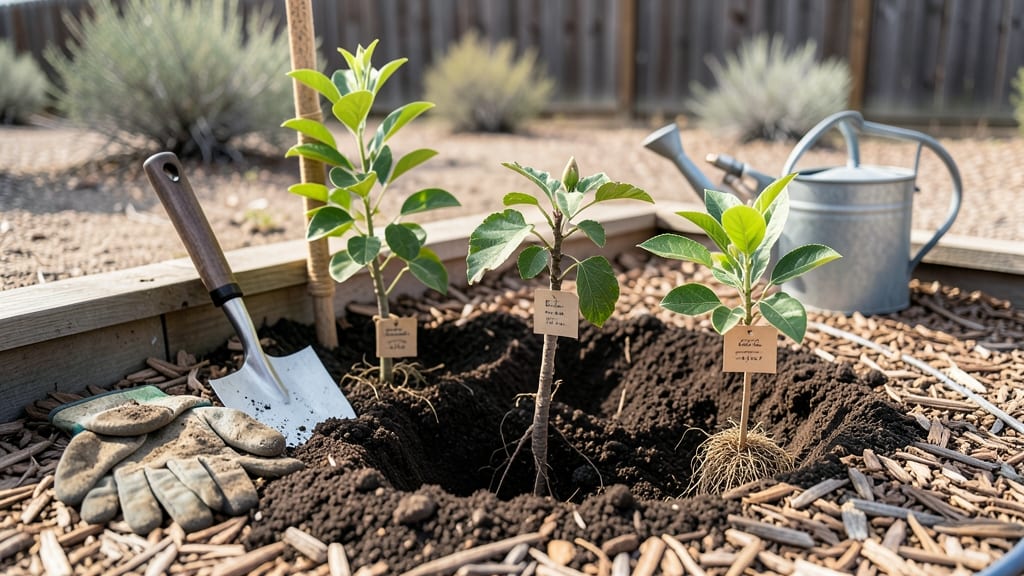
Timing your fruit tree planting in Arizona isn't just about the calendar—it's about beating the heat and avoiding frost surprises. Plant too early, and your 🍎 sapling wilts under the desert sun; too late, and winter cold snaps damage delicate roots before they establish.
Most Arizona gardeners swear by the November to February window, when cooler temps and winter rains give young trees their best shot. But here's the catch: citrus loves the low desert's mild winters, while stone fruits like peaches need the high desert's slightly cooler nights to thrive.
Whether you're dreaming of backyard orchards or container-grown citrus, I'll break down the exact months for each variety—plus pro tips to outsmart Arizona's tricky microclimates. Let's get those roots in the ground the right way.
From Phoenix's scorching valleys to Flagstaff's chilly highlands, we'll cover everything you need to know for successful fruit tree planting. Ready to turn your yard into a harvest goldmine?
Arizona fruit tree planting calendar: best months by climate zone
Arizona’s diverse climate zones—from the low desert’s extreme heat to the high desert’s cooler winters—demand precise timing for fruit tree success. Planting outside your zone’s ideal window risks heat stress, frost damage, or poor root establishment.
Let’s break down the best months for each region to maximize your tree’s survival and productivity.
In Low Desert zones (Phoenix, Tucson), where temperatures soar above 100°F in summer, the best planting window is November through February. This avoids the brutal summer heat while allowing roots to establish before spring growth.
For High Desert zones (Flagstaff, Prescott), aim for October to early March to escape late frosts that can damage tender roots.
Transition zones (Sedona, Payson) straddle both climates, so plant between November and January. These areas experience unpredictable frost dates, making early spring planting risky. Always check your local USDA Zone 7b-9a frost-free dates before planting.
Soil temperature is just as critical as air temperature. Most fruit trees thrive when soil reaches 60°F (15°C). In Arizona’s low desert, this happens naturally in late winter, while high desert soils may need warming with black plastic mulch if planting in early spring.
Citrus trees, like navel oranges and meyer lemons, are the most frost-sensitive and must be planted in November or December to avoid winter cold snaps. Stone fruits like peaches and plums can handle slightly cooler soils, making January or February ideal for these varieties.
Here’s a quick reference for bare-root vs. container-grown trees: Bare-root trees should always be planted in winter dormancy (November-February), while container-grown trees offer more flexibility and can be planted in early spring (March) if soil conditions are right.
Microclimates within Arizona add another layer of complexity. For example, Phoenix suburbs may experience 10°F warmer soil temperatures than Tucson due to urban heat islands. Always observe your specific yard’s conditions for 3-5 days before planting to gauge heat exposure.
Now, let’s dive into the exact planting windows for each Arizona climate zone, including frost risks and soil prep tips.
For citrus trees, timing is everything—plant too late, and a 20°F freeze can kill your tree before it establishes. In Phoenix, December is the sweet spot, while Tucson’s cooler nights allow for January planting.
Always choose dwarf or semi-dwarf varieties for containers, as they tolerate heat better than standard trees.
Stone fruits like peaches and plums need chill hours (300–700 hours below 45°F) to fruit well. High desert areas naturally provide these, but low desert gardeners should select low-chill varieties like Redhaven peaches or plant in elevated containers for better airflow and chill exposure.
Regardless of zone, always amend your soil with compost and organic matter before planting. Arizona’s native soils are often clay-heavy or sandy, which can stress young roots. A 3-inch layer of mulch after planting helps retain moisture and regulate soil temperature—critical in both summer’s heat and winter’s cold snaps.
Finally, remember that container planting extends your planting window. Containers warm up faster in spring and can be moved to shadier spots during summer’s peak heat. Just ensure your container has drainage holes and use a lightweight potting mix to prevent root rot.
With the right timing and prep, your Arizona fruit trees will thrive year after year—producing juicy peaches, sweet oranges, and crisp apples for decades to come. 🌱🍊
Top 5 fruit trees for Arizona gardens and their perfect planting times
Arizona’s diverse climate zones mean not all fruit trees thrive equally—citrus loves the low desert’s warmth, while stone fruits need slightly cooler high-desert nights. I’ve narrowed down the top 5 fruit trees that flourish here, complete with their ideal planting windows and pro tips for each variety.
For citrus trees like navel oranges and grapefruit, aim for November to February in the low desert. These trees hate frost, so timing is everything. In the high desert, wait until March or April when frost risk drops dramatically.
Peach and plum trees prefer cooler conditions, so plant them in November or December in the high desert. They’ll need protection from late frosts—wrap young trees in burlap if temps drop below 28°F. In the low desert, these trees struggle but can survive with afternoon shade.
Figs are Arizona’s superstars—they’re drought-tolerant and adaptable. Plant them in November or early December across all zones. Their roots spread wide, so give them plenty of space (at least 15 feet from other trees).
Pomegranates thrive in the low desert’s heat but need well-draining soil. Plant them in November or December, and watch for vibrant blooms in spring. In the high desert, they’ll need a sheltered spot to avoid cold snaps.
Finally, persimmons are perfect for the high desert’s cooler nights. Plant them in November or early December, and be patient—they take 3-5 years to bear fruit but reward you with sweet, honey-like flavors.
🌱 Fruit Tree Hardiness Ratings
Pro tip: Always water deeply after planting and mulch with 3-4 inches of organic mulch to retain moisture. For container-grown citrus, use well-draining pots and move them indoors if frost threatens.
Now that you’ve got the perfect planting times, let’s talk about the critical mistakes to avoid in Arizona’s extreme heat—next up!