
Plants
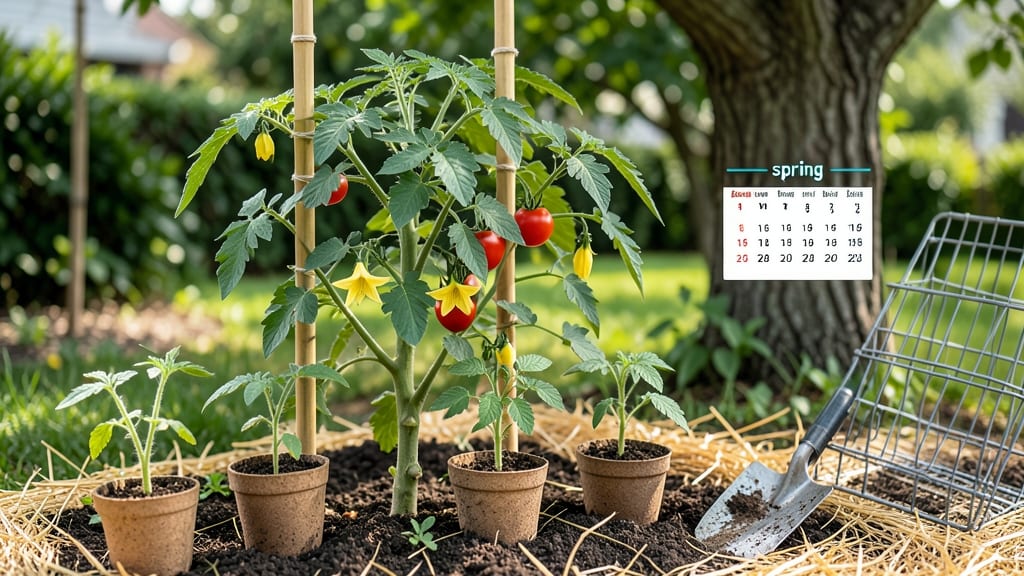
If you’ve ever stared at your tomato seeds wondering when is the best time to plant tomatoes in California, you’re not alone—California’s split personality climate (coastal cool vs. inland heat) makes timing the difference between a bumper crop and a sad, wilted plant. 🍅
Here’s the secret: coastal gardeners like those in Zone 10 can start as early as January, while inland growers in Zone 9 should wait until March to avoid heat stress. The key? Soil temperature—wait until it hits 60°F—and understanding your microclimate’s quirks, like fog delays or summer scorching.
I’ll break down the exact planting windows for both regions, plus pro tips for starting seeds indoors vs. direct sowing. Whether you’re a first-time gardener or a seasoned grower, these insights will help you time your tomato harvest perfectly—no more guessing games.
Ready to turn your backyard into a tomato powerhouse? Let’s dive into the best times to plant for your specific California zone—and how to keep your tomatoes thriving from seed to harvest.
California coastal tomato planting schedule: avoiding frost & heat stress
Coastal California—think San Francisco, Santa Barbara, and Los Angeles—offers a unique challenge for tomato growers. The marine layer keeps nights cool, but summer heat waves can still stress plants.
Unlike inland areas, coastal zones rarely experience frost, but microclimates matter. For example, inland-facing gardens near the coast may bake in summer, while foggy pockets stay cooler year-round.
Your best planting window starts in January for seeds and February-March for transplants. This timing ensures seedlings avoid late-winter chills while giving them time to mature before summer’s intense sun.
For a fall harvest, aim for July-August sowing—just don’t wait too late, or your tomatoes will struggle with shortening daylight.
Soil temperature is your secret weapon. Tomatoes need 60°F+ soil to thrive. In coastal areas, this typically means waiting until mid-February for seeds or March for transplants.
Use a soil thermometer to confirm—55°F is the minimum, but 60°F+ ensures faster germination. Pro tip: Black plastic mulch warms soil 5-10°F faster than bare earth.
🌱 Coastal vs. Inland Tomato Planting Comparison
| Factor | Coastal (Zone 10) | Inland (Zone 9) |
|---|---|---|
| Best Planting Window | Jan-Mar (seeds) / Feb-Apr (transplants) | Mar-May (seeds) / Apr-Jun (transplants) |
| Soil Temp Requirement | 60°F+ (mid-Feb) | 65°F+ (late Mar) |
| Frost Risk | None (Zone 10) | Dec 15 (last frost) |
| Heat Stress Risk | Moderate (afternoon sun) | High (100°F+ common) |
| Fall Harvest Window | July-Aug (60-day varieties) | June-July (heat-tolerant varieties) |
Microclimates can shift your planting timeline by weeks. For example, Santa Barbara’s foothills may need 2-3 weeks later than Santa Monica’s beachfront.
Watch for local fog patterns: if your garden stays foggy until 10 AM daily, delay planting until April to avoid blossom end rot from inconsistent warmth.
For container growing, coastal gardeners have an edge. Pots warm up faster than soil, so you can plant transplants in late January if using 5-gallon+ containers. Just ensure your container material retains moisture—coastal winds dry out fabric pots 2x faster than plastic.
Heat stress is your biggest enemy in coastal summers. If your tomatoes start yellowing leaves or dropping blossoms, it’s a sign you’ve planted too early. Shade cloth (30-50%) can buy you 2-3 weeks of buffer during June-July heat spikes.
Varieties like ‘Solar Fire’ or ‘Heatmaster’ handle 90°F+ temps better than heirlooms.
Don’t overlook fall planting. Coastal areas can produce second harvests until November if you sow July-August. Choose 60-day varieties like ‘Tiny Tim’ or ‘Patio Princess’ to beat the October chill. Mulch heavily with straw or leaves to protect roots from cooler nights.
My top 3 coastal tomato tips:
- Test soil temp weekly—don’t guess!
- Use row covers for January sowings to protect from unpredictable cold snaps.
- Prune suckers aggressively to improve airflow and reduce fungal risk from coastal humidity.
🌱
Inland California tomato planting secrets: heat tolerance & extended seasons
If you live in California’s inland valleys—think Central Valley or desert edges—your tomato-growing season stretches longer than coastal areas, but heat becomes your biggest enemy. The key?
Planting late winter to early spring when soil temps hit 60°F, and using shade cloth to protect plants from summer’s 100°F+ blazes. I’ve grown tomatoes in Zone 9 for years, and these tricks keep my plants thriving even when temps soar.
Unlike coastal gardeners, inland growers can push the envelope with fall planting too. Start seeds indoors in March for transplanting by May, or direct-sow in April for a summer harvest. The secret? Choose heat-tolerant varieties like ‘Heatmaster’ or ‘Solar Fire’—they won’t bolt or turn bitter like standard tomatoes.
Here’s my proven timeline for inland success:
One mistake I see often? Gardeners wait until June to plant, only to watch their tomatoes sizzle under summer sun. Instead, start early and let plants establish roots before the heat ramps up.
I’ve also had success with drip irrigation—it keeps soil consistently moist without wetting foliage, which reduces fungal diseases like blight.
For extended harvests, try succession planting: sow a new batch every 2-3 weeks from March to June. This ensures a steady supply of ripe tomatoes from June through November, even in the hottest months.
Just remember: mulch heavily with straw or wood chips to retain moisture and cool roots.
Pro tip: Monitor your soil temperature with a probe—tomatoes need 60°F+ to germinate and 70°F+ to thrive. If your soil runs hotter than 85°F, your plants will struggle, no matter how much you water. 🌱