
Plants
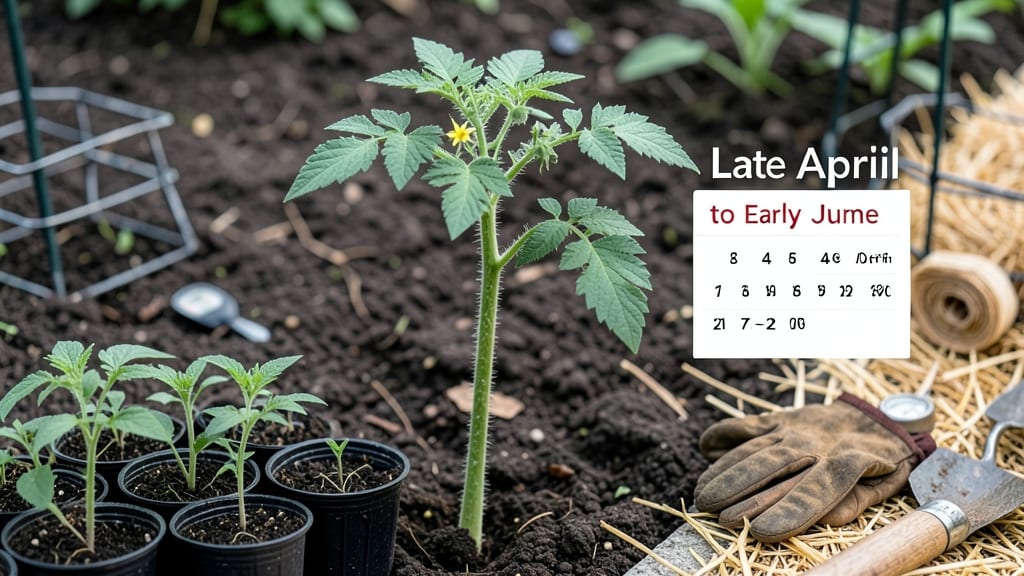
When is the best time to plant tomatoes in Oklahoma? Timing your 🍅 tomato planting isn’t just about waiting for spring—it’s about dodging frost and the brutal summer heat that can turn your plants into crispy snacks. If you’ve ever watched your seedlings wilt under 100°F temps or freeze overnight, you know the stakes.
Here’s the secret: Planting 2-3 weeks after Oklahoma’s last frost date (usually mid-April in Zone 7a) gives your tomatoes the 60°F soil they crave without inviting early blight. But there’s more to it than just dates—soil prep, variety choices, and even your neighborhood’s microclimate play a role.
I’ll walk you through the exact week-by-week schedule that works for Oklahoma growers, plus how to pick heat-resistant varieties like ‘Heatmaster’ that won’t bolt in July. Ready to turn your garden into a tomato powerhouse?
Skip the guesswork and learn how to time your planting for a harvest that stretches from June to October—no more sad, stunted plants. Let’s get started.
Oklahoma Zone 7a tomato planting timeline: exact weeks to avoid frost and heat stress
Oklahoma’s Zone 7a climate means your tomato planting window is a tight balance between late-spring frosts and summer heat stress. The average last frost date for most of Oklahoma falls around April 15, but microclimates can shift this by 2-3 weeks.
To maximize your harvest, aim to plant 2-3 weeks after that date when soil temperatures hit 60°F (15°C).
For seedlings, start indoors 6-8 weeks before your target outdoor date (around February 15 for most of Oklahoma). If you’re using transplants, wait until mid-April to early May when nighttime temperatures stay above 50°F (10°C).
This timing ensures your plants avoid chilling injury while giving them enough time to mature before Oklahoma’s 90°F+ heat waves arrive.
Here’s your week-by-week planting schedule for Oklahoma’s Zone 7a, including soil prep and heat tolerance tips:
| Week | Task | Soil Temp (°F) | Notes |
|---|---|---|---|
| Early March | Start seeds indoors | 65-70°F | Use grow lights for 12-14 hours/day |
| Mid-April | Hardening off seedlings | 55-60°F | Acclimate for 1 week before transplanting |
| Late April | Transplant seedlings outdoors | 60°F+ | Use row covers for frost protection |
| Early May | Direct-sow seeds (if preferred) | 65°F+ | Plant 1/2 inch deep, 2-3 seeds per hole |
| Mid-May | Remove row covers (if used) | 65-75°F | Monitor for heat stress (wilting) |
| June | Prune suckers, stake plants | 75-85°F | Focus on watering deeply in morning |
Pro tip: If you’re in southern Oklahoma (Zone 7b), you can plant 2 weeks earlier (early April). For northern Oklahoma (Zone 6b), delay until mid-May to avoid late frosts. Always check the Oklahoma Mesonet for real-time soil temperature updates—this tool is a game-changer for precise planting.
For heirloom varieties, prioritize planting by early June to avoid Oklahoma’s blossom-end rot (caused by calcium deficiency in heat). Hybrid varieties like ‘Heatmaster’ or ‘Solar Fire’ handle heat better but still need consistent moisture. Mulch with straw or black plastic to keep soil temps stable and reduce water evaporation.
Remember: Oklahoma’s short growing season (180-210 frost-free days) demands efficiency. Plant early-maturing varieties (50-60 days to harvest) if you’re near the northern edge of Zone 7a. In central/southern Oklahoma, you can afford slightly later-maturing varieties (up to 80 days) thanks to longer heat exposure.
🌱
Critical factors that determine your planting window in Oklahoma (and how to adjust)
Oklahoma’s Zone 7a climate isn’t one-size-fits-all—your exact planting window depends on three key factors: microclimates, soil drainage, and elevation shifts. For example, Oklahoma City’s last frost typically hits April 15, while rural areas like Tulsa may see frost linger until April 25.
Even within your neighborhood, a south-facing garden warms up 1-2 weeks earlier than a shaded spot.
Use the Oklahoma Mesonet or OSU Extension frost maps to pinpoint your local frost date. If you’re in doubt, opt for transplants instead of seeds—they mature faster and can handle cooler soil better.
Pro tip: Start seeds indoors 6-8 weeks before your target outdoor date to give them a head start.
🌱
| Factor | Oklahoma-Specific Impact | Adjustment Tip |
|---|---|---|
| Microclimate | South-facing gardens warm 1-2 weeks earlier than shaded areas. | Plant earlier in sunny spots, later in shaded areas. |
| Elevation | Every 1,000 ft gain delays frost by 3-5 days. | Check OSU Extension maps for your elevation zone. |
| Soil Drainage | Clay soils stay cooler longer; sandy soils warm up faster. | Amend with compost for clay; mulch sandy beds. |
| Heat Tolerance | Oklahoma summers hit 100°F+—some varieties bolt or splitting occurs. | Choose heatmaster varieties or use shade cloth. |
Don’t let late spring frosts catch you off guard—use row covers or cold frames to protect seedlings until soil reaches 60°F. For example, if your last frost is April 20, plant May 1 as a safe bet.
If you’re eager to start earlier, sow seeds indoors March 15 and transplant outdoors after the 15th.
🌡️
If your garden sits in a low-lying area, frost lingers longer—monitor local weather forecasts and adjust your planting date 1-2 weeks later. For high-elevation spots (like Oklahoma’s Ozark Mountains), push planting to mid-May to avoid late frosts.
And remember: indeterminate varieties (like ‘Better Boy’) need longer growing seasons than determinate types (like ‘Roma’).
✂️