
Plants
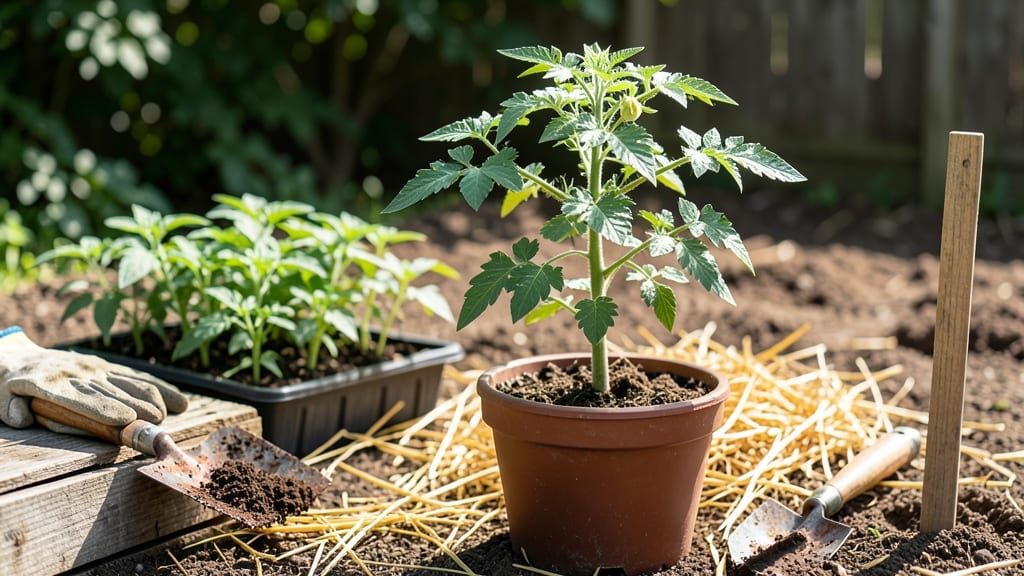
If you’ve ever wondered when is the best time to plant tomatoes in Virginia, you’re not alone—especially when late spring frosts or Virginia’s unpredictable climate leave your plants 🍅 struggling to produce fruit.
The ideal planting window isn’t just about the calendar; it’s about aligning with your local zone, soil warmth, and frost patterns to give your tomatoes the best shot at success.
For gardeners in Zones 7a and 7b, waiting until after the average last frost date (March 15–April 15) is critical, but that’s just the start. Soil temperature plays a bigger role than most realize—tomatoes need at least 60°F to thrive, and black plastic mulch can speed up that warming process.
In this guide, I’ll break down the exact planting windows for Virginia, including how to adjust for early vs. late varieties and extend your harvest season. Whether you’re a first-time gardener or a seasoned pro, these insights will help you avoid common mistakes and maximize your yield.
Ready to turn your garden into a tomato powerhouse? Let’s dive into the frost-free deadlines and strategies that work for Virginia’s unique climate.
Virginia’s frost-free deadlines for planting tomatoes in Zones 7a & 7b
Timing your tomato planting in Virginia isn’t just about avoiding frost—it’s about matching your seedlings with soil warmth and daylight. In Zone 7a (northern VA), the last frost typically hits around April 15, while Zone 7b (southern VA) sees frost-free conditions by April 1.
But don’t rush—soil needs to hit 60°F for roots to thrive.
Local NOAA data shows Virginia’s growing season spans 180-210 frost-free days, giving you plenty of time for heirloom or cherry tomatoes. However, coastal areas like Norfolk may warm up 2 weeks earlier than inland regions like Charlottesville. Always check your local extension office for precise dates.
🌱Key Deadlines:
- Zone 7a: Plant after April 15 (soil at 60°F)
- Zone 7b: Plant after April 1 (soil at 60°F)
- Last Chance: June 1 for late varieties (60+ days to maturity)
| Zone | Last Frost Date | Ideal Planting Window | Soil Temp Threshold | Microclimate Notes |
|---|---|---|---|---|
| 7a (Northern VA) | April 15 | April 20–May 15 | 60°F+ | Cooler nights; use row covers |
| 7b (Southern VA) | April 1 | April 10–May 10 | 60°F+ | Warmer soil; plant earlier |
| Coastal (e.g., Norfolk) | March 20 | March 25–April 10 | 55°F+ | Moderate humidity; watch for blight |
| Inland (e.g., Roanoke) | April 20 | May 1–May 20 | 65°F+ | Drier; mulch heavily |
For container gardening, warm up soil faster with black plastic mulch or grow lights. If you’re starting seeds indoors, begin 6-8 weeks before your last frost date—typically by February 15 for Zone 7a and February 1 for Zone 7b.
🌡️ Pro Tip: Use a soil thermometer to confirm warmth. Tomatoes wilt if planted in cold soil, even if air temps are mild. Aim for consistent 70°F+ days for best fruit set.
Extended row covers can push your planting window 2 weeks earlier, but remove them before flowering to allow pollination. In Zone 7b, you might even squeeze in a fall crop by planting heat-tolerant varieties like ‘Celebrity’ in July.
🌱 Variety Matters: Early varieties like ‘Stupice’ (55 days) tolerate cooler temps, while ‘Brandywine’ (80+ days) needs hotter summers. Match your planting date to your tomato’s maturity—no one wants green tomatoes in October!
📅 Action Plan:
- Test soil (pH 6.0–6.8 ideal).
- Warm soil with mulch or cloches.
- Plant after last frost (verify with local data).
- Water deeply at base, not leaves.
Miss the spring window? Try cold-hardy greens or peppers instead—they’re more forgiving. But for tomatoes, timing is everything. Get it right, and you’ll be feasting on homegrown sun-ripened fruit by summer’s end! ☀️
How to adjust planting time for early vs. late varieties in Virginia
Virginia’s climate offers a short but sweet window for growing tomatoes, but not all varieties thrive in the same schedule. Early varieties like 'Stupice' or 'Mountain Merit' can handle cooler soils, while late-season heat lovers like 'Celebrity' or 'Heatmaster' need warmer conditions to set fruit.
Matching your variety to the season is key to avoiding blight or poor yields.
If you’re planting early tomatoes, aim for late March to early April—just after the last frost—using row covers or cold frames to protect tender seedlings. These varieties mature faster (60-70 days), so they’re perfect for Virginia’s shorter growing season in Zone 7a.
For late-season varieties, wait until mid-to-late May when soil temperatures consistently stay above 60°F.
Early Varieties
- Pros: Faster harvest, cooler soil tolerance
- Cons: Smaller fruit, shorter vines
Late Varieties
- Pros: Larger fruit, longer harvest window
- Cons: Needs warmer soil, slower to mature
For extended-season growing, consider succession planting: Start early varieties in March-April and late varieties in May-June. This ensures a continuous harvest from June through October. Use black plastic mulch to warm soil faster and drip irrigation to maintain moisture without overwatering.
Another trick? Plant heat-tolerant varieties like 'Solar Fire' or 'Arkansas Traveler' in June for a fall harvest. These tomatoes handle Virginia’s summer heat and still produce fruit before the first frost. Just be sure to stake or cage them early—they grow tall quickly!
If you’re starting seeds indoors, begin 6-8 weeks before your target outdoor planting date. For Zone 7a, that’s around mid-February for early varieties and late March for late ones. Use grow lights to mimic 14-16 hours of daylight and harden off seedlings for 1-2 weeks before transplanting.
Pro tip: Check your local Virginia Cooperative Extension for hyper-local frost data. Coastal areas like Norfolk may have earlier last frosts than inland Charlottesville, so adjust your schedule accordingly.
With the right variety and timing, you can enjoy homegrown tomatoes from early summer to fall—no grocery store needed! 🍅