
Trees
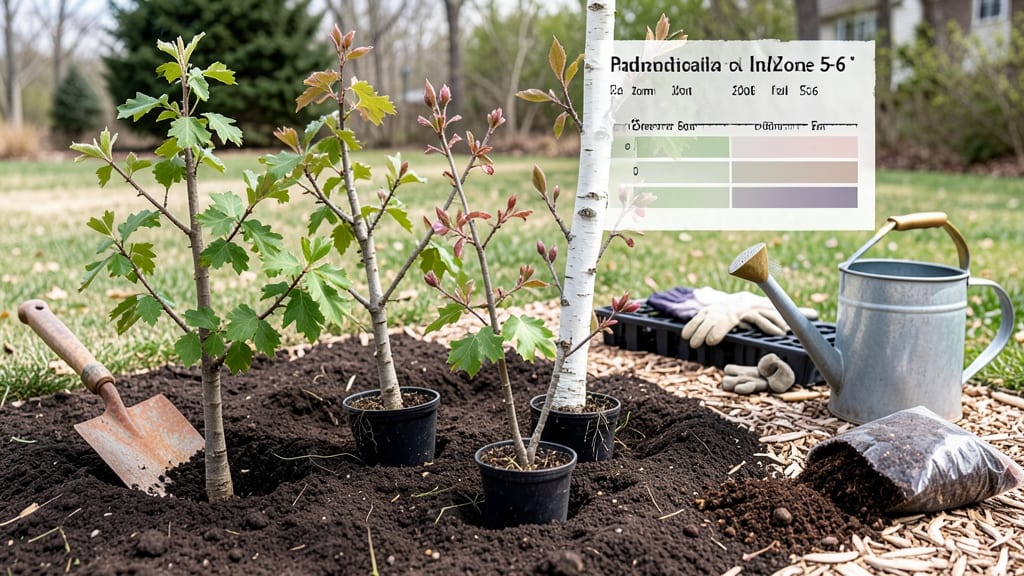
Planting a 🌳 tree in Indiana at the wrong time can turn your hard work into a sad, stunted mess—unless you know the best windows to dig in.
With Indiana’s 5b-6b climate swinging from frost to summer heat, timing isn’t just important—it’s the difference between a thriving canopy and a struggling sapling.
Most gardeners assume spring is the only time to plant, but fall actually gives your tree a head start. In Indiana, late fall to early spring (bare-root) or early spring to early summer (container-grown) are your golden opportunities.
Miss these windows, and you risk weak roots or even death before your tree ever gets a chance to grow.
I’ve seen too many well-meaning Hoosiers plant too late, only to watch their trees struggle through Indiana’s unpredictable weather. The key? Understanding dormancy periods, frost dates, and how your local microclimate plays a role. Let’s break down exactly when—and how—to plant for strong root establishment that lasts decades.
Whether you’re adding shade to your yard or restoring native species, this guide will help you avoid common mistakes. From soil prep to transplanting tips, you’ll learn the easiest way to give your trees the best possible start in Indiana’s ever-changing seasons.
Optimal Indiana tree planting windows by species type
Indiana’s Zone 5-6 climate creates a 165-day frost-free window, but not all trees thrive with the same timing. Deciduous trees—like oak, maple, or birch—prefer early spring planting (March-April) when soil warms but buds haven’t yet swollen.
Evergreens, such as pine or spruce, handle late fall (October-November) better, as their roots establish before winter dormancy.
Bare-root trees, common in Indiana nurseries, demand dormant-season planting—either late fall (November) or early spring (March). Container-grown trees offer more flexibility, allowing spring through early summer (April-June) planting. The key? Avoid late summer (July-August), when heat stress weakens roots.
Indiana’s unpredictable spring (with frost risks until mid-April) makes timing critical. For example, fruit trees like apple or cherry need chill hours—planting too late can disrupt their dormancy cycle. Meanwhile, fast-growing species like willow or poplar tolerate broader windows but still benefit from early spring starts.
Native Indiana trees—such as sugar maple, white oak, or tulip poplar—adapt better to local conditions. These species thrive when planted in spring’s shoulder seasons (March or May), avoiding extreme heat or cold.
Non-native trees, like redbud or ginkgo, may need extra soil prep to compensate for Indiana’s clay-heavy soils.
| Tree Type | Best Planting Window | Indiana-Specific Notes | Avoid Planting |
|---|---|---|---|
| Deciduous (Oak, Maple) | Early Spring (March-April) | Native species thrive with well-drained soil; amend clay with compost. | Late Summer (July-August) |
| Evergreen (Pine, Spruce) | Late Fall (October-November) | Cold-hardy; mulch heavily for winter protection. | Spring (April-May) |
| Fruit Trees (Apple, Cherry) | Dormant Season (Nov-Feb) | Requires chill hours; plant before buds break. | Late Spring (June) |
| Fast-Growing (Willow, Poplar) | Spring-Fall (March-October) | Tolerates broader windows but needs moist soil. | Winter (Dec-Feb) |
Indiana’s northern vs. southern regions also shift timing. In Zone 5b (northern IN), aim for late April planting to avoid late frosts, while Zone 6a (southern IN) can start as early as March 15.
For example, shade trees like hickory in north-central IN benefit from early spring planting to establish before summer droughts.
Container-grown trees, popular in Indiana nurseries, adapt to extended planting windows (April-June). Their root balls stay moist longer, reducing transplant shock. However, bare-root trees—cheaper but riskier—must be planted immediately after purchase to prevent root desiccation. Soak roots in water + rooting hormone for 1-2 hours before planting.
Indiana’s soil pH (5.5-7.0) also influences timing. Acid-loving trees like pine or blueberry need fall planting to adjust soil pH before spring growth. Meanwhile, alkaline-tolerant species like hackberry can handle spring planting with minimal soil prep. Always test your soil 6-8 weeks before planting to amend as needed.
Pro tip: Use Indiana’s average last frost date (April 15) as your planting deadline for spring. For fall planting, stop by October 15 to allow roots to establish before winter. Mulch heavily (3-4 inches) with wood chips to insulate roots during temperature swings.
If you’re unsure about timing, container-grown trees are your safest bet—they tolerate broader windows and let you adjust based on weather. Just avoid extreme
Indiana microclimate factors that change planting timing
Indiana’s diverse geography means your tree planting window can shift dramatically depending on where you live. From the cool lake-effect zones near Michigan to the urban heat islands of Indianapolis, microclimates create unique conditions that demand flexibility in your planting schedule.
For example, northern Indiana near Lake Michigan often experiences delayed spring warming due to lake breezes, pushing ideal planting dates back by 2-3 weeks compared to southern Indiana. Meanwhile, urban areas like Fort Wayne or Gary can see earlier soil thaw because pavement and buildings trap heat.
Even elevation changes matter—hillsides in southern Indiana may have warmer microclimates than valleys, allowing earlier planting. Soil type also plays a role: clay-heavy soils stay cold longer, while sandy soils warm up faster in spring.
🌱 Key Takeaway: Indiana’s USDA Zones 5b-6b mask local variations that can shift planting by 30 days or more. Always check local frost dates and observe your yard’s unique conditions before digging.
Indiana Microclimate Planting Adjustments
Effect: Cooler soils, delayed spring
Adjustment: Plant 2-3 weeks later than zone average
Effect: Warmer microclimate
Adjustment: Plant 1-2 weeks earlier
Effect: Faster soil warming
Adjustment: Plant when soil reaches 50°F
Effect: Slower thawing
Adjustment: Wait for consistent 60°F soil temps
To navigate these variations, I recommend using three simple tools: a soil thermometer ($15 at garden centers), the Indiana DNR's frost date calculator, and a weekly weather tracker for your specific ZIP code. These will help you determine when your local microclimate is truly ready for planting.
For example, while central Indiana might see its last frost around April 15, northwest Indiana near Lake Michigan could still experience frost through May 1.
Planting a red oak too early in the north could mean root damage from late frosts, while planting too late in the south could stress the tree before summer.
🌿 Remember: Native Indiana trees like sugar maples and white oaks are adapted to these variations, but timing still matters. The 6-week window between late March and early May gives you the best balance of soil warmth and moisture availability across most of the state.