
Trees
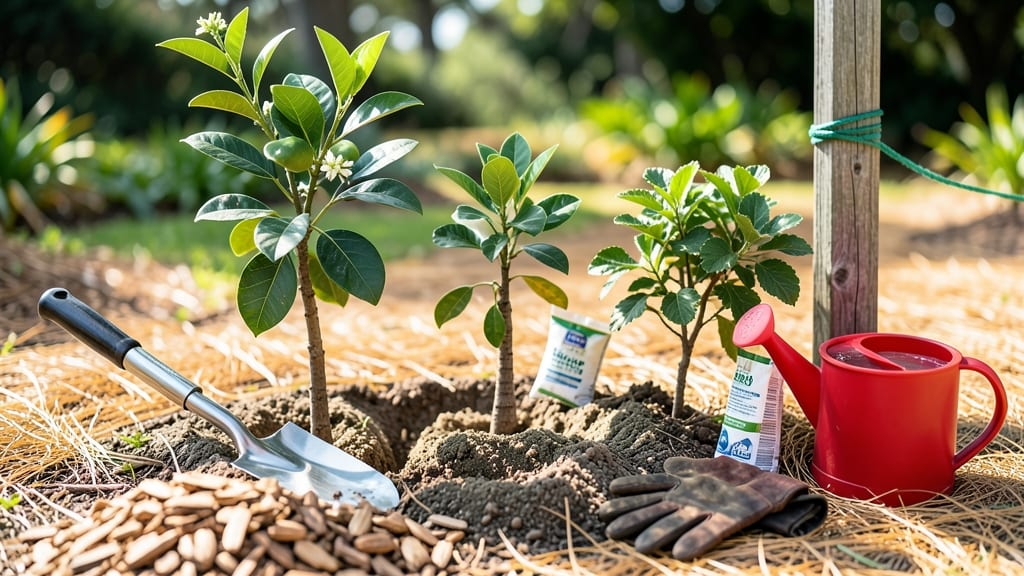
Timing your fruit tree planting in Florida isn’t just about following a calendar—it’s about outsmarting the state’s unpredictable weather, from sudden summer storms to winter freezes that can derail your harvest before it starts.
If you’ve ever watched a young tree struggle to take root after a late-spring hurricane or seen citrus blossoms drop from unexpected cold snaps, you know the stakes. The right window means faster establishment, stronger roots, and fruit that actually makes it to your table.
I’ll break down the exact months to plant in Florida’s five distinct microclimates—so you can avoid the most common mistakes and set your trees up for success.
Whether you’re growing citrus in the Everglades, avocados along the coast, or peaches in North Florida’s cooler hills, the key lies in soil temperature, rainfall patterns, and even hurricane season timing. Let’s cut through the guesswork and get your trees in the ground at the perfect moment.
You’ll discover how to prep your soil, choose the right varieties for your zone, and protect your investment from Florida’s quirks—like salty winds or sudden downpours. Ready to turn your backyard into a fruitful oasis? Let’s dig in.
Optimal planting months for Florida fruit trees by microclimate zone
Florida’s microclimates create a puzzle for fruit tree growers. What’s perfect for Miami’s tropical heat might kill a temperate peach tree in Jacksonville. The key? Planting when soil temperatures hit 60°F+ and hurricane season risks drop. Let’s break it down by zone.
North Florida (USDA Zones 8a-9a) has cooler winters and shorter frost-free periods. Here, citrus trees like ‘Valencia’ oranges thrive when planted in late February to March, while peach trees need January-February for dormancy breaks.
Central Florida (Zones 9a-10a) offers longer growing seasons. Avocado trees go in January-February, but fig trees can handle March-April. The trick? Avoid June-August—that’s hurricane season and extreme heat stress.
For South Florida (Zones 10a-11), timing is flexible—year-round planting works—but January-February is ideal. Tropical varieties like lime trees despise waterlogged soil, so plant after summer rains subside.
The Panhandle mirrors North Florida but with drier springs. Pecan trees need February-March planting to establish roots before summer droughts. Pro tip: Mulch heavily to retain moisture.
Everglades growers have the easiest time—no frost means year-round planting. Still, January-February avoids hurricane season and gives trees time to root before monsoons. Breadfruit and coconut palms thrive when planted in well-draining soil.
Regardless of zone, avoid planting bare-root trees in summer. The heat stress and lack of dormancy lead to root rot. Container-grown trees? Plant anytime soil is workable—but spring is still best.
Need a quick cheat sheet? Bookmark this: North/Central = Jan-Mar, South = Jan-May, Panhandle = Feb-Mar, Everglades = Anytime (but Jan-Feb wins). Now grab those bare-root trees and get planting!
Critical mistakes to avoid when planting fruit trees in Florida’s climate
Planting fruit trees in Florida isn’t just about picking a month—it’s about dodging the state’s sneakiest pitfalls. One wrong move, like timing your transplant with hurricane season, can leave your young tree struggling to recover.
I’ve seen firsthand how a late-May planting in South Florida can mean battling root rot from relentless summer rains before the tree even establishes.
Another common blunder? Ignoring soil temperature for tropical vs. temperate varieties. Citrus trees, for example, need soil at 65°F or warmer to root properly, while peaches in North Florida can suffer if planted too early and hit by a March freeze.
The key is knowing your microclimate’s last frost date and adjusting accordingly.
Here’s the hard truth: Florida’s acidic soils (pH 5.0–6.5) can stunt growth if you don’t amend them. Many fruit trees, like blueberries or figs, thrive in acidic conditions, but others, such as loquats, need slightly alkaline soil.
Skipping a soil test before planting is a fast track to disappointment.
⚠️ Top 3 Planting Mistakes in Florida
- 🌪️ Planting during hurricane season (June–November): Roots can’t anchor before storms uproot saplings.
- 🌡️ Ignoring soil temperature: Tropical trees (avocados, mangoes) need warm soil (70°F+) to thrive.
- 🚫 Skipping soil amendments: Florida’s clay soils often lack organic matter—add compost or peat moss before planting.
Pro Tip: Use mulch to regulate soil temperature and retain moisture—critical in Florida’s extreme heat.
Overwatering is another silent killer. While Florida’s humidity might make you think trees need constant hydration, soggy soil suffocates roots. I recommend deep, infrequent watering—especially in container-grown trees, which dry out faster. And never water at night; fungal diseases like root rot love the damp darkness.
Finally, resist the urge to plant bare-root trees in summer. These delicate trees need to establish roots quickly, and Florida’s intense heat and drought stress can shock them. If you’re buying bare-root, stick to late winter or early spring (February–March for most zones).
Remember, Florida’s climate is unforgiving but manageable. By avoiding these mistakes, you’ll give your fruit trees the best shot at thriving—no matter where you live in the state. The payoff? Juicy oranges in winter, ripe peaches in summer, and a backyard that feels like a tropical paradise.