
Trees
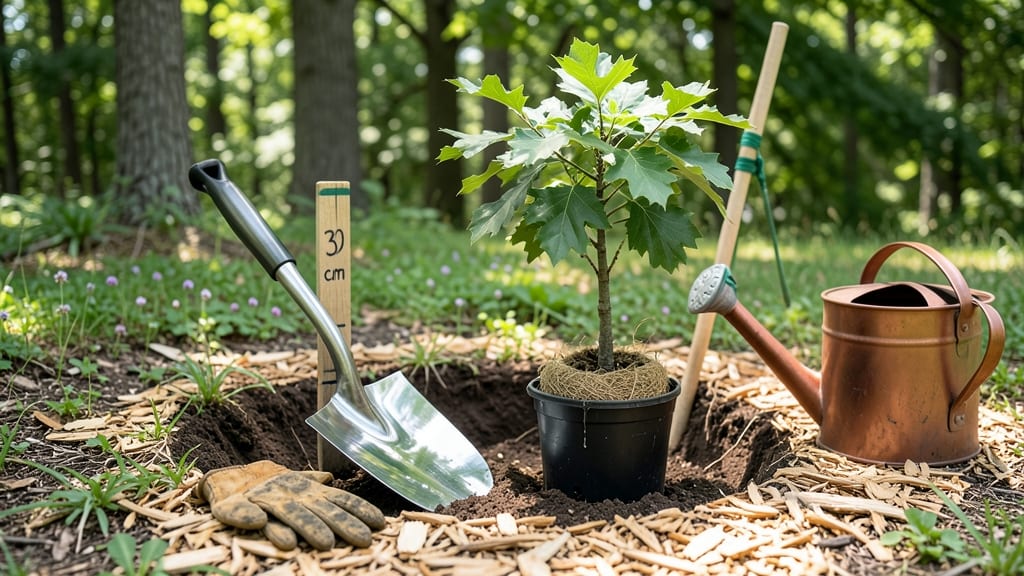
The best time to plant trees in Missouri isn’t just about grabbing a shovel—it’s about giving your 🌳 the fighting chance it needs to thrive for decades. Get it wrong, and you’re staring at wilting leaves or a sad little sapling that never grows.
But nail the timing, and you’ll see roots spread deep, branches fill out strong, and your landscape transform in ways that last generations.
Missouri’s 5b-6b hardiness zones mean spring and fall are your golden windows, but not all trees play by the same rules. Evergreens and bare-root varieties demand different care than container-grown oaks, and your local frost dates (like that tricky March 15 average) can make or break your success.
I’ll break down exactly when to plant—whether you’re in St. Louis or the Ozarks—and why some pros swear by fall while others bet on spring.
Here’s the kicker: 60% of Missouri tree planting happens in fall, and for good reason. Cooler temps mean less transplant shock, and the soil stays warm enough for roots to take hold before winter.
But spring has its perks too—longer growing seasons and fewer pests. We’ll weigh the pros, cons, and the critical 5-step checklist to avoid common mistakes that turn your green thumb into a brown thumb.
Ready to plant with confidence? Let’s dive into the science, regional tweaks, and pro tips that’ll have your 🌳 standing tall for years—no guesswork required.
Missouri hardiness zones: how climate affects best planting times
Missouri spans USDA hardiness zones 5b through 7a, meaning temperatures can vary dramatically from northern St. Louis (zone 6a) to southern regions like Springfield (zone 7a). These zones dictate soil temperature, frost dates, and the ideal planting window for trees.
In colder northern zones, trees must establish roots before winter dormancy, while southern Missouri’s milder winters allow for slightly later fall planting.
Your tree’s survival hinges on soil temperature, not air temperature. Roots need 40°F soil to grow actively—typically 4-6 weeks before the average last frost date (mid-March in most of Missouri).
In zone 5b, this means planting by late April, while zone 7a gardeners can extend planting into early May.
Missouri’s first frost usually arrives between November 1-15, leaving a 6-8 week window for fall planting. This cooler season reduces transplant shock and allows roots to establish before winter. However, planting too late (after November 15) risks frost damage to new roots before they harden.
Evergreens like arborvitae or eastern redcedar need extra care in Missouri’s winters. They thrive best when planted in early fall (September) to avoid winter desiccation from drying winds. Deciduous trees, such as oak or maple, adapt better to late fall planting (October).
Soil type also plays a role. Missouri’s clay-heavy soils in the north drain poorly, while sandy loams in the south dry out faster. Amend clay with compost or organic matter to improve drainage, and mulch heavily (3-4 inches) to retain moisture in sandy soils.
🌱 Missouri Tree Planting by Hardiness Zone & Season
| Zone | Best Planting Window | Soil Temp Requirement | Top Tree Choices | Key Consideration |
|---|---|---|---|---|
| 5b (Northeast MO) | Late April–May or Sept 15–Oct 15 | 40–45°F | Red Oak, Sugar Maple, White Pine | Short growing season; prioritize root establishment |
| 6a (Central MO) | Early April–May or Sept 1–Oct 30 | 42–48°F | Bur Oak, Eastern Redbud, Serviceberry | Moderate frost risk; mulch heavily |
| 7a (Southern MO) | Mid-April–June or Sept 15–Nov 1 | 45–50°F | Southern Magnolia, Crape Myrtle, Bald Cypress | Longer growing season; watch for late frosts |
💡 Pro Tip: Use a soil thermometer to confirm 40°F+ soil before planting—critical for root growth!
Bare-root trees (cheaper but delicate) must be planted before buds swell in spring (usually February–March) or in dormant fall. Container-grown trees offer more flexibility but need consistent moisture during establishment. Always water deeply after planting to eliminate air pockets in the soil.
Missouri’s microclimates create exceptions. Urban areas like Kansas City have warmer microclimates, allowing slightly later spring planting. Rural areas may need earlier fall planting to avoid early frosts. Check local Missouri Department of Conservation resources for zone-specific frost data.
For new gardeners, fall planting is often easier. Cooler temps reduce watering demands, and trees have 6 months to establish roots before winter. In spring, rush to plant before buds break—waiting too long stresses trees and reduces survival rates.
🌳 Whether you choose spring or fall, prioritize soil prep, proper spacing, and mulching. Missouri’s climate rewards patience—your tree will thank you for the right timing!
Spring planting in Missouri: pros, cons, and critical timing tips
Spring planting in Missouri—specifically April through early May—gives your trees a head start on the growing season. Warmer soil temperatures (ideally 50°F+) encourage faster root establishment, and the longer daylight hours mean more energy for new growth.
But there’s a catch: planting too early risks frost damage to tender shoots, while waiting too late can leave roots struggling in summer drought.
For container-grown trees, spring is ideal because they’re already established and adapt quickly to Missouri’s 5b-6b climate zones. Bare-root trees, however, need special care—plant them in late winter to early spring (February–March) before buds swell.
The key is matching your tree type to the right window: evergreens like arborvitae prefer spring, while deciduous trees like oak or maple can handle either season.
Here’s the golden rule: Wait until after the last frost (around March 15 on average) but before the soil dries out. Use a soil thermometer to check—roots thrive when temps hit 55°F+.
Pro tip: Amend your soil with compost or organic matter to improve drainage, especially in Missouri’s heavy clay soils.
Spring planting also means dealing with pests like borers or aphids that thrive in warm weather. Monitor your trees closely and use neem oil or insecticidal soap if you spot early signs of infestation.
Another pitfall? Transplant shock—even healthy trees can wilt if not watered consistently post-planting. To prevent this, water deeply every 2–3 days for the first two weeks, then taper off as roots spread.
Missouri’s northern regions (e.g., St. Joseph) have shorter growing seasons, so prioritize fast-growing species like silver maple or hackberry if planting in late spring. In southern Missouri (e.g., Springfield), you’ve got more flexibility—opt for slower-growing oaks or pines if you’re planting closer to May.
Either way, shade trees like sycamore or walnut are spring-planting superstars in Missouri’s heat.
Don’t let spring’s urgency rush you—rushing leads to poor root-to-soil contact or buried trunk flares. Take your time to backfill carefully, firm the soil gently, and stake only if necessary (most Missouri trees don’t need it).
With the right prep, your spring-planted tree could outgrow its neighbors in just a few years. 🌱