
Trees
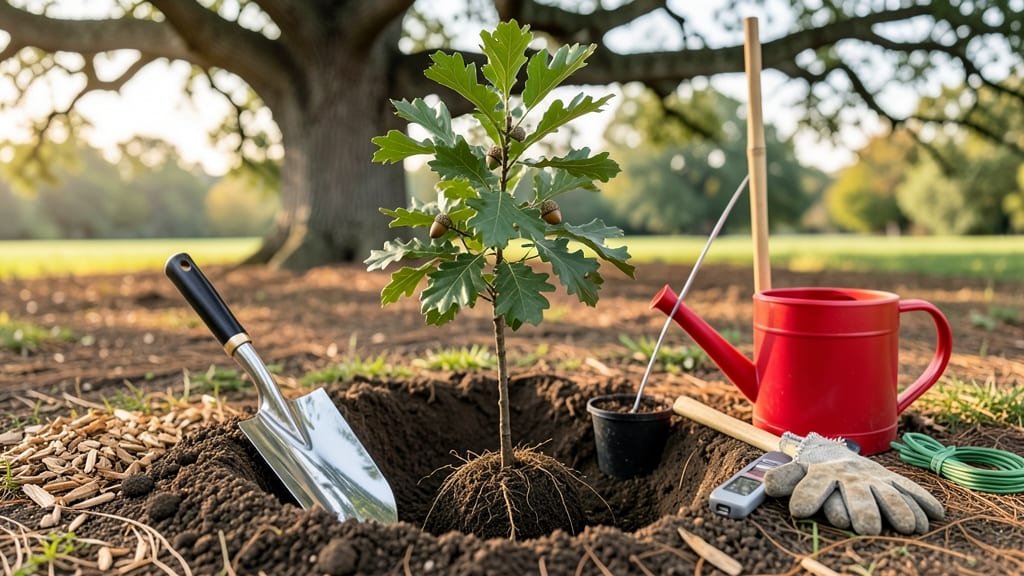
The best time to plant trees in Oklahoma isn’t just about the calendar—it’s about beating the heat, avoiding late frosts, and giving roots a fighting chance in Oklahoma’s 6b-7a climate. Skip the wrong window, and your 🌳 might struggle through scorching summers or freeze before it takes hold.
Most gardeners swear by late winter to early spring (February–April) or fall (October–November), but Oklahoma’s microclimates—from the Panhandle’s dry winds to the humid Southeast—demand precision. Plant too early, and roots wake up too soon; too late, and they’ll miss critical growth months.
Here’s the game-changer: Fall planting (especially October) gives trees a head start on root establishment before winter dormancy, while spring planting lets you work with thawed soil. We’ll break down the exact timing for your region—and how to prep soil to avoid common mistakes.
Ready to plant with confidence? Check your local frost dates and let’s get those roots growing strong before Oklahoma’s next temperature swing.
Oklahoma’s optimal planting windows by region: when to plant for maximum survival
Oklahoma’s climate varies dramatically from the dry Panhandle to the humid Southeastern regions, making timing critical for tree survival. The best planting windows align with soil temperatures and frost-free periods, which differ by zone.
In most of Oklahoma, fall (October–November) and early spring (February–April) offer ideal conditions, but microclimates shift these windows by weeks.
For Panhandle regions (USDA Zone 6b), where winters are colder and summers scorching, focus on planting between mid-March and early May to avoid late frosts. Meanwhile, Southeastern Oklahoma (Zone 7a) can plant as late as December for many species, thanks to milder winters.
Understanding your specific zone ensures roots establish before extreme heat or cold arrives.
Soil temperature is the most critical factor—roots need 50–60°F soil to grow actively. In Oklahoma, this typically occurs in late winter or early fall, but clay-heavy soils in Central Oklahoma may require waiting until April to avoid waterlogging. Always check soil temps with a soil thermometer before planting.
🌳 Oklahoma Planting Windows by Region
| Region | USDA Zone | Best Planting Window | Soil Temp Threshold | Key Consideration |
|---|---|---|---|---|
| Panhandle | 6b | Mid-March to early May | 50–60°F | Avoid late frosts (avg. last frost: April 15) |
| Western | 7a | Late February to April or October | 50–60°F | Drought-prone; water deeply after planting |
| Central | 7a-7b | March–April or September–October | 55–65°F | Clay soils; amend with compost |
| Eastern | 7b | February–March or October–November | 50–60°F | Higher humidity; watch for fungal diseases |
| Southeastern | 7a-8a | January–March or October–December | 50–60°F | Milder winters; extend planting into late fall |
In Central Oklahoma, where clay soils dominate, planting in fall (September–October) allows roots to establish before winter dormancy. The Eastern region benefits from a longer fall window due to later first frosts, often around November 15.
Always verify your local frost dates using resources like the Oklahoma Mesonet for precision.
For container-grown trees, flexibility exists year-round except during extreme heat (July–August) or freezing temperatures (December–January). Bare-root trees, however, must be planted during their dormant season—typically late winter—to minimize transplant shock.
Check the root flare (where roots meet trunk) to ensure it’s 2–3 inches above soil level for proper aeration.
Oklahoma’s Panhandle demands extra caution due to high winds and low humidity. Planting in spring (March–April) gives roots time to anchor before summer’s intense heat. Use windbreaks or staking for young trees to prevent uprooting.
In Southeastern Oklahoma, where summers are hot and humid, fall planting reduces stress from high evaporation rates.
Pro tip: Mulch heavily (3–4 inches) after planting to retain moisture and regulate soil temperature. Use organic mulch like wood chips or pine straw, keeping it 6 inches away from the trunk to avoid rot.
This is especially critical in Oklahoma’s drought-prone areas, where mulch can reduce water needs by 50% during the first growing season.
If you’re unsure about your exact planting window, late October is the safest bet for most of Oklahoma. By this time, soil temperatures have cooled, and trees can establish roots before winter dormancy.
For fast-growing species like willow or silver maple, even late winter (February) works if soil isn’t frozen. Always prioritize root health over calendar dates—a well-prepared root system beats rushing the process.
🌱 For precision, use the Oklahoma State University Extension’s planting calendar or consult your local cooperative
Tree species that thrive when planted outside Oklahoma’s traditional windows
Not all trees follow the fall or spring planting rulebook—especially in Oklahoma’s drought-prone and windy regions. Some species, like mesquite or cedar, can handle late summer or early fall planting with minimal stress. These fast-growing or drought-resistant trees establish roots quickly, making them ideal for non-traditional windows.
For example, willow trees and silver maples can be planted in late summer (August) because they grow aggressively in warm soil. Meanwhile, eastern red cedars tolerate early fall (September) planting due to their deep root systems and drought tolerance.
Here’s the key: Soil temperature (not just air temperature) dictates success. Aim for 60–70°F soil temps—ideal for root growth without overheating. In Oklahoma’s USDA Zones 6b–7a, this often means late August to early October for these resilient species.
🌱 Best Late-Summer/Early-Fall Trees for Oklahoma
Drought-resistant; thrives in clay-heavy Oklahoma soils. Plant when soil is still warm but cooling.
Fast-growing; needs moist soil but establishes roots quickly in warm conditions.
Tolerates wind and dry spells; ideal for Panhandle regions with low humidity.
Aggressive root growth in warm soil; avoid planting in waterlogged areas.
Pro tip: Mulch heavily (3–4 inches of organic mulch) around these trees to retain moisture and regulate soil temperature during Oklahoma’s hot-to-cold swings. Use shredded bark or pine straw to prevent soil crusting.
For container-grown trees planted outside traditional windows, water deeply 2–3 times weekly until roots establish (usually 6–8 weeks). Avoid overhead watering to prevent fungal diseases like root rot in Oklahoma’s humid summers.
Ready to break the rules? Check soil temps with a soil thermometer (60–70°F is your sweet spot) and plant these unconventional picks for a head start before winter sets in. 🌱