
Companion Plants
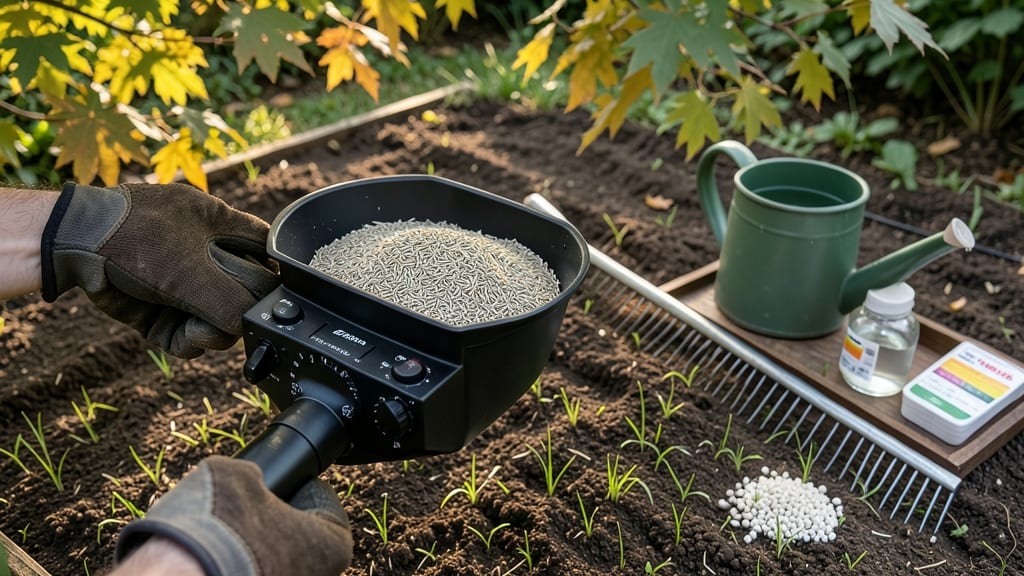
Planting grass seed in the fall is the secret weapon for a lush, weed-free lawn—but timing it wrong can leave your yard looking patchy and weak.
Cooler temperatures and fewer weeds create perfect conditions for grass to establish deep roots before winter, but missing the 4-6 week window before your first frost means starting over in spring.
If you're in USDA Zone 6a, like many gardeners in the Midwest, your ideal planting window opens around early September and closes by mid-October.
This timing gives your grass seed time to germinate and grow strong roots before the ground freezes, setting you up for a vibrant lawn next spring.
Don't let common myths fool you—fall isn't "too late" to plant grass, but it is time-sensitive. The key is preparing your soil properly, choosing the right seed type, and keeping it consistently moist.
I'll walk you through exactly what to do to make your fall planting a success, no matter where you live.
Ready to transform your lawn? Let's dive into the best months to plant by your zone, plus pro tips to ensure your grass thrives all year long.
Best fall months to plant grass seed by USDA hardiness Zone
Fall planting offers the best conditions for grass seed germination—cooler air, fewer weeds, and 6-8 weeks of warm soil before winter. But the ideal window depends on your USDA hardiness zone.
Plant too early, and weeds take over; too late, and roots won’t establish before frost. Let’s break it down by region to help you pick the perfect time.
In northern zones (3-5), aim for late August to early September. Soil stays warm enough for germination, but daytime temps drop to 70-75°F—ideal for grass growth. Southern zones (6-10) have more flexibility, with September through mid-October as prime time.
The key is planting 4-6 weeks before your first frost to let roots grow deep before winter dormancy.
Soil temperature is your best guide. Grass seed needs soil at 50-65°F for optimal germination. Use a soil thermometer to check—if temps dip below 50°F, wait a week or two. Cooler soil slows sprouting, but roots still establish, setting your lawn up for spring green-up.
For cool-season grasses (like Kentucky bluegrass, fescue, or ryegrass), September is ideal in most zones. Warm-season grasses (Bermuda, Zoysia) should be planted in late summer (August) to give roots time to harden before winter. Always check your last frost date—planting too close to frost risks seed death before sprouting.
| USDA Zone | Ideal Planting Window | Soil Temp Goal (°F) | Key Consideration |
|---|---|---|---|
| 3-5 (Cold Climates) | Late August–Early September | 50–65°F | Plant 6 weeks before first frost; use cold-hardy varieties. |
| 6-8 (Temperate) | Mid-September–Mid-October | 55–68°F | Avoid planting after first frost; weeds compete less in cooler weather. |
| 9-11 (Mild Winters) | October–Early November | 60–70°F | Later planting works; minimal frost risk until December. |
| Southern Hemisphere | March–April | 55–65°F | Reverse seasons; plant 4-6 weeks before first frost (June–July). |
Regional microclimates can shift timing by 2-3 weeks. For example, mountainous areas in Zone 6 may need earlier planting (late August) due to cooler nights, while coastal zones can extend into November.
Check local agricultural extension offices for hyper-local advice—some years, an early frost can push your window up by 2 weeks.
If you’re overseeding an existing lawn, start 2 weeks earlier than new seed beds. Established grass competes for resources, so give seedlings a head start. Use a starter fertilizer with phosphorus to boost root growth during this critical window. Avoid nitrogen-heavy fertilizers—they encourage top growth at the expense of roots.
Pro tip: Mark your calendar 4-6 weeks before your average first frost date. This ensures your grass has 4-6 weeks of growth before winter dormancy. For example, if frost hits November 15, plant by October 1.
Miss this window, and you’ll likely need to wait until spring for a lush lawn.
Remember, fall planting isn’t just about timing—it’s about preparation. Aerate compacted soil, test pH (aim for 6.0–7.0), and choose seed blends tailored to your climate. With the right timing, your lawn will thrive next spring instead of struggling to catch up.
Need help picking the right grass type? Cool-season grasses like tall fescue or perennial ryegrass dominate northern lawns, while Bermuda or St. Augustine shine in southern climates. Match your seed to your zone for the best results.
Best fall months to plant grass seed by USDA hardiness Zone
Your USDA hardiness zone determines the perfect window for planting grass seed in fall. In Zone 6a, where many gardeners live, aim to sow seeds 4-6 weeks before your first frost—typically between early September and mid-October. This timing ensures your grass establishes deep roots before winter dormancy.
For northern regions (Zones 3-5), start planting in late August to early September—soil temperatures should hover between 60°F and 75°F for optimal germination. In southern zones (Zones 7-10), extend your window until November, as frost arrives later.
Missed the window? Don’t panic. If you’re in Zone 6a and it’s mid-October with consistent nighttime temps below 50°F, your grass may not germinate well. However, a light frost won’t kill newly planted seed—just delay growth until spring.
| Zone | Ideal Planting Window | Soil Temp | Key Tip |
|---|---|---|---|
| 3-5 (Cold Climates) | Late August–Early September | 60°F–75°F | Aerate first to break compacted soil. |
| 6a (Midwest/NE) | Early September–Mid-October | 55°F–70°F | Test soil pH (6.0–7.0 ideal). |
| 7-10 (South) | September–November | 70°F–85°F | Choose drought-resistant seed types. |
Cooler fall temps reduce weed competition and help grass roots grow deeper, making your lawn 30% more resilient to drought by next summer. In Zone 6a, prioritize cool-season grasses like Kentucky bluegrass or tall fescue—they thrive in these conditions.
Pro tip: Check your local frost date (use the National Weather Service) and count 4-6 weeks backward to set your planting deadline. For example, if frost hits October 15, plant by September 1.
Remember, soil temperature matters more than air temperature. Use a soil thermometer to confirm it’s above 50°F before planting—cold soil slows germination, even in fall. 🌱