
Companion Plants
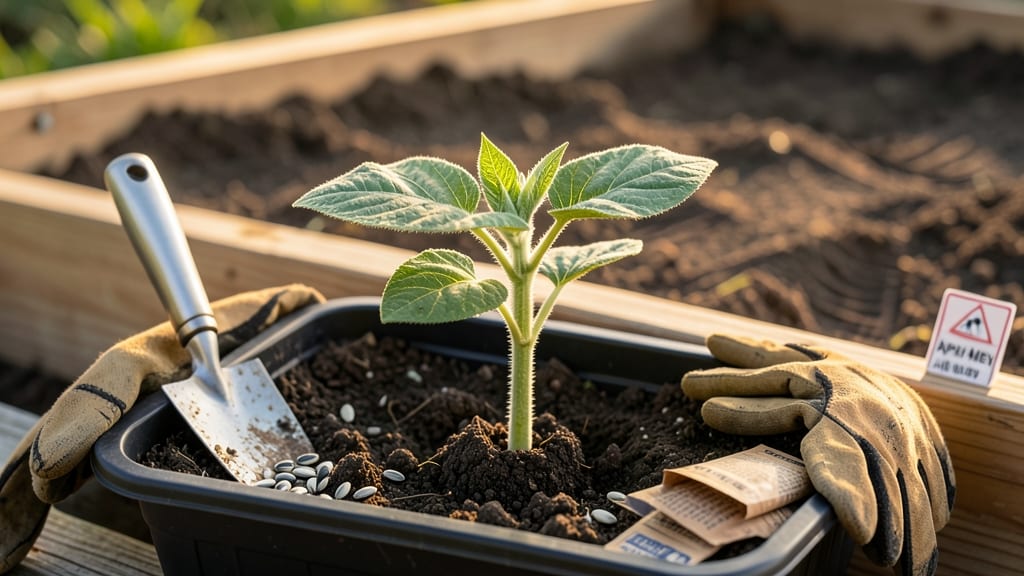
If you’ve ever watched a 🌻 sunflower stretch toward the sky in Ohio and wondered, when should I plant sunflower seeds in Ohio?—the answer likely lies in your planting timing.
Ohio’s 6a zone offers a narrow window to coax those towering stems, but get it wrong, and you’ll miss the sweet spot between frost and summer heat.
The ideal time to plant sunflower seeds in Ohio isn’t just "spring"—it’s mid-April to early June, when soil warms to at least 55°F and the last frost has passed (usually around April 15).
Plant too early, and frost will stunt your seedlings; too late, and your 12-foot giants might bolt before reaching their full potential.
But here’s the twist: Ohio’s microclimates—from Lake Erie’s humidity to the drier Appalachian foothills—can shift that window by 2-3 weeks. I’ll break down the exact weeks to plant for your region, plus pro tips to ensure your sunflowers grow taller and stronger than ever.
Ready to turn your garden into a sunflower jungle? Let’s dive into the perfect planting schedule—and how to adjust for Ohio’s unpredictable weather—so you can harvest bigger blooms from late July to October.
Ohio sunflower planting calendar by microclimate: frost dates & ideal weeks
Ohio’s last frost dates vary wildly—from April 15 in Southern Ohio to May 15 along Lake Erie. To grow sunflowers that hit their genetic height potential, you must align planting with these dates while accounting for soil temperature thresholds of 55°F+.
Here’s your region-by-region breakdown to avoid frost damage or stunted growth.
For direct sowing (planting seeds directly in the ground), aim for 2-3 weeks after your area’s last frost date. Starter plants can go in 1 week earlier, but only if nighttime temps stay above 50°F.
Southern Ohio’s warmer microclimate lets you start as early as mid-April, while Northern Ohio’s cooler zones may need to wait until late May.
🌱
For extended growing seasons, consider planting a second batch in early July. This works best for short-day varieties like ‘Autumn Beauty’, which bloom later in the season.
Just ensure they’ll mature before your first frost in October. Use a planting calendar to track maturity timelines—most sunflowers need 80-120 days to reach harvest.
Ohio’s Appalachian foothills often experience earlier soil warming than flatter regions, so you can plant 1-2 weeks ahead of Central Ohio’s schedule. Conversely, Lake Erie’s cooler nights may delay planting by 10-14 days. Always check 7-day forecasts before sowing to avoid false springs that can damage tender seedlings.
Pro tip: If your soil feels too cold (below 55°F), cover seeds with black plastic mulch for 1-2 weeks to warm the soil faster. This trick works especially well in Northern Ohio’s cooler zones, where Russian Giant varieties might otherwise struggle to germinate.
🌿
For maximum height, prioritize direct sowing over transplants—sunflowers resent root disturbance. Plant seeds 1 inch deep and 6-
How to adjust planting for Ohio’s unpredictable weather: heat zones & soil prep hacks
Ohio’s spring weather can be as unpredictable as a toddler’s mood—one day it’s warm enough to plant, the next you’re shoveling snow. False springs trick even experienced gardeners into planting sunflower seeds too early, only to watch frost turn tender sprouts into sad, mushy memories. The key? Flexible timing based on soil temperature, not just the calendar. Here’s how to outsmart Ohio’s weather whims: Wait until soil reaches 55°F+ (use a soil thermometer—no guessing!). In colder regions like Toledo or Cleveland, this might mean waiting until late May, while Southern Ohio’s Cincinnati or Columbus can often start in mid-April. Pro tip: Plant in black pots—they absorb heat faster and warm up soil quicker than traditional containers.False Spring Trap: If daytime temps hit 60°F but nights dip below 32°F, your seedlings are at risk. Use row covers or wait 2 more weeks—patience pays off with 12-foot giants, not wilted disappointments.