
Plants
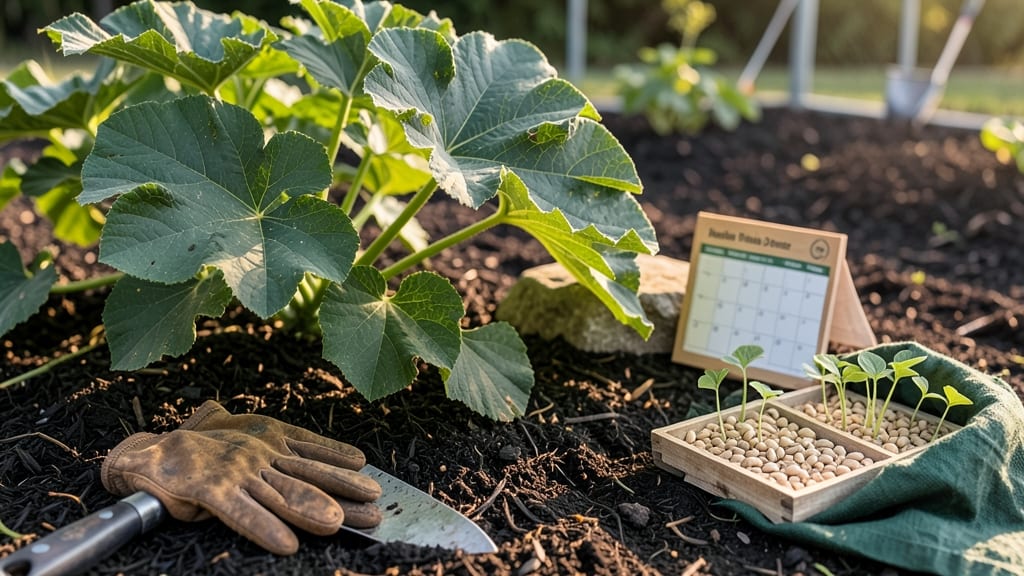
Planting pumpkins in Indiana at the wrong time can mean the difference between a thriving 🎃 patch and a disappointing harvest.
If you've ever wondered when to start those seeds for maximum success in Zone 6a, the answer depends on more than just dates—it's about understanding your local frost patterns and soil conditions.
Indiana's spring weather can be unpredictable, but there's a sweet spot between mid-April and early June that gives pumpkin vines their best chance.
The key is waiting until after your last frost date (typically around April 15) when soil temperatures reach at least 60°F—this warmth is crucial for germination and strong vine development.
You'll learn exactly when to plant for your specific Indiana location, whether to start seeds indoors first or go straight to direct sowing, and which pumpkin varieties handle our shorter growing season best.
With 90 days to harvest, timing is everything for those heavy-fruited varieties that do so well in our climate.
Let's break down the perfect planting schedule so you can enjoy pumpkins from your own garden—just in time for that late September harvest before the first frost hits. Your future jack-o'-lanterns will thank you!
Optimal pumpkin planting dates in Indiana (Zone 5-6) for maximum yield
Indiana’s Zone 5-6 climate demands precise timing for pumpkin planting, where soil temperatures and frost dates dictate success. Most gardeners aim for planting between mid-April and early June, but your exact dates depend on whether you’re growing early varieties (75-90 days) or late varieties (100-120 days).
Let’s break down the ideal windows to ensure your vines thrive and produce heavy fruit before the first frost.
First, check your last average frost date—typically around April 15 in Indiana. For direct sowing outdoors, wait until soil reaches 60°F (15°C) and stays warm consistently. This usually falls in late April to early May for most of the state.
If you’re starting seeds indoors (4-6 weeks before last frost), begin by March 15 to give seedlings a head start.
Here’s the key: Early varieties like ‘Jack Be Little’ (75 days) can handle a shorter season and should be planted by late April. Standard varieties like ‘Howden’ (90-100 days) need a June 1 deadline to mature before frost.
Late varieties like ‘Giant Canadian’ (110+ days) are risky unless you’re in southern Indiana (Zone 6b), where summers stretch longer.
Pro tip: Use a soil thermometer to confirm readiness—pumpkin seeds need consistent warmth to germinate. If your soil is below 60°F for more than a week, delay planting or use black plastic mulch to warm the soil faster.
| Planting Stage | Indiana Zone 5-6 Timeline | Key Considerations |
|---|---|---|
| Start Indoors | March 15 – April 1 | Use biodegradable pots; 4-6 weeks before last frost |
| Direct Sow Outdoors | April 20 – June 1 | Soil must be 60°F+; after last frost |
| Transplant Seedlings | April 30 – May 15 | Hardy after 2 weeks of acclimation; avoid transplant shock |
| Harvest Window | Late September – October 15 | Before first frost; rind hardens and stem dries |
Indiana’s microclimates can shift planting windows by 1-2 weeks. Northern Indiana (Zone 5) may need to plant 2 weeks earlier than southern Indiana (Zone 6), where summers are warmer.
For example, Fort Wayne gardeners should aim for April 25 direct sowing, while Evansville gardeners can wait until May 10.
If you’re unsure about your local frost dates, consult the Indiana State Climate Office or use almanac.com for your county. Remember, pumpkins need 90-120 frost-free days to mature, so late plantings risk underdeveloped fruit. For insurance, plant early and late batches—this staggered approach extends your harvest window.
Another critical factor is daylength. Pumpkins thrive with 12+ hours of daylight, which Indiana hits by mid-May. Planting too early (before May) may result in slow vine growth due to shorter days. Balance early warmth with sufficient daylight for optimal results.
For container growing, start seeds indoors by March 1 and transplant to 5-gallon pots by May 1. Containers warm up faster than soil, so monitor moisture closely—drought stress stunts growth. Place pots in full sun and use self-watering systems to maintain consistency.
Finally, mark your calendar for October 15, Indiana’s average first frost. This is your harvest deadline. Pumpkins won’t ripen after frost, so prioritize fast-maturing varieties if your season feels short. With the right timing, you’ll enjoy heavy, disease-resistant fruit perfect for carving or baking.
Optimal pumpkin planting dates in Indiana (Zone 5-6) for maximum yield
Indiana gardeners know that timing is everything when planting pumpkins, especially in our Zone 5-6 climate. The last frost date around April 15 marks the start of your planting window, but soil temperature is just as critical. Aim for 60°F+ soil—this warmth ensures strong germination and vine development.
For most Indiana locations, the ideal planting window spans from mid-April to early June. This gives you flexibility if spring is late or soil stays cool. Early varieties can handle cooler temps, while larger pumpkins need that 90-day growing season to mature before frost.
Direct sowing is the preferred method for pumpkins—they dislike transplanting. Plant seeds 1 inch deep in hills spaced 4-6 feet apart, with 3-4 seeds per hill. Thin to the strongest plant once sprouts emerge.
| Stage | Action | Notes |
|---|---|---|
| Soil Prep | Test pH (6.0-6.8) | Add compost for fertility |
| Planting Window | Mid-April to June 1 | Wait for 60°F+ soil |
| Seed Depth | 1 inch deep | 3-4 seeds per hill |
| Spacing | 4-6 ft between hills | Vines need room to sprawl |
| Harvest Ready | Late Sept-Oct | Before first frost |
Northern Indiana gardeners in Zone 5 should plant slightly earlier (late April) to account for cooler soils. Southern Indiana's Zone 6 areas can extend planting until early June. Always check your local Almanac frost dates—they're your best guide for adjustments.
For early varieties like 'Jack Be Little' (75 days), you can push planting to late May. But for giant varieties like 'Atlantic Giant' (120 days), start by mid-April to ensure maturity before frost. Your 165 frost-free days in Indiana are precious—don't waste them!
Pro tip: Use a soil thermometer to confirm warmth before planting. Cool soil (below 60°F) will delay germination by weeks. Once your seeds sprout, watch for those first true leaves—they signal successful establishment and the start of vigorous vine growth.