
Plants
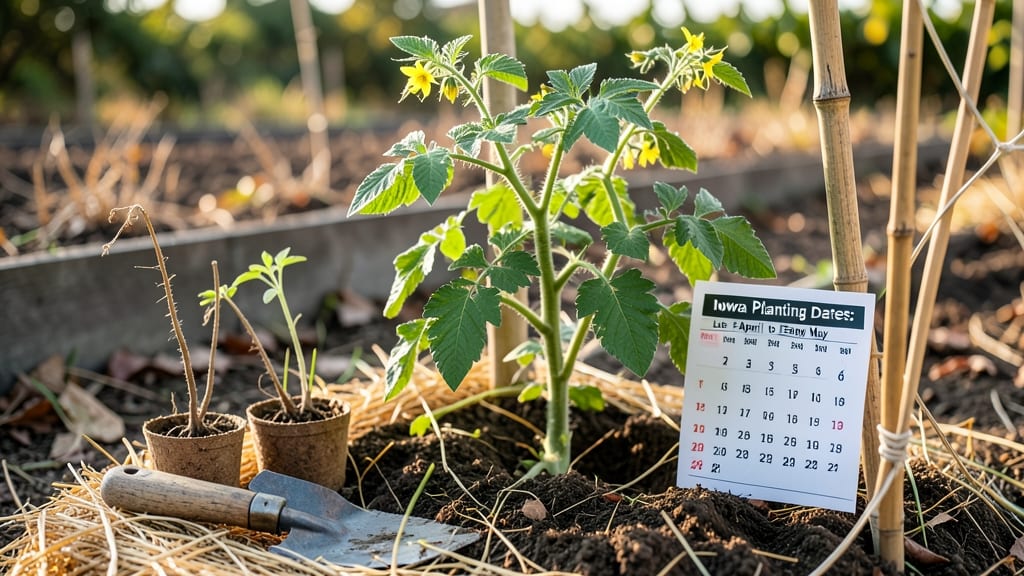
When should you plant tomatoes in Iowa? Timing your tomato planting in Iowa isn’t just about following a calendar—it’s about beating the 5a-5b zone’s unpredictable frost and giving your 🍅 plants the 165 frost-free days they need to thrive.
If you plant too early, a late frost could wipe out your seedlings. Too late, and you’ll miss the July-September harvest window entirely. The sweet spot?
Waiting until soil hits 55°F and nighttime temps stay above 50°F—typically April 15-May 15—but microclimates (like urban heat islands) can shift that by weeks.
I’ll break down the exact deadlines, whether you’re starting seeds indoors or transplanting, plus the heat-tolerant varieties that won’t bolt in Iowa’s sweltering summers. No more guessing—just science-backed timing for a garden full of juicy rewards.
Ready to turn your Iowa garden into a tomato powerhouse? Let’s dive into the 3-step planting plan that’ll have you harvesting like a pro by midsummer.
Iowa’s Zone 5 tomato planting deadlines: frost dates & soil temperature rules
Timing your tomato planting in Iowa’s Zone 5 hinges on two critical factors: last frost dates and soil temperature.
The average last frost for most of Iowa falls between April 15 and May 15, but your exact deadline depends on your microclimate—urban areas often warm up faster than rural zones.
For example, Des Moines typically sees its last frost around April 25, while northern Iowa might wait until May 10.
Don’t rush to plant just because the air feels warm—soil temperature is the real game-changer. Tomatoes thrive when soil reaches 55°F or higher. Use a soil thermometer to check depth (about 2 inches down). If your soil is still chilly, wait.
Cold soil can stunt root growth and leave your plants vulnerable to disease. I’ve seen gardeners in Zone 5b plant too early, only to watch their seedlings wilt when a late frost hits.
Here’s the golden rule: Transplant seedlings only after nighttime temperatures consistently stay above 50°F. This usually aligns with late May in most of Iowa, but don’t be afraid to push it to early June if your soil is slow to warm.
Early planting (before May 1) risks frost damage, while late planting (after June 1) may reduce your harvest window before fall frosts arrive.
| Stage | Action | Iowa Timeline |
|---|---|---|
| Start Indoors | Sow seeds 6-8 weeks before last frost | Mid-March to early April |
| Hardening Off | Acclimate seedlings to outdoor temps | Late April |
| Transplant Outdoors | After soil reaches 55°F and last frost | Late May to early June |
| First Harvest | 70-85 days after transplanting | Late July to August |
| Season End | Before first frost (October 15) | Harvest all remaining fruit |
If you’re direct sowing seeds instead of transplanting, wait until the soil is 60°F+ and nighttime temps stay above 55°F. This usually means pushing your planting to late May or early June. Direct-sown tomatoes take longer to mature, so this method is riskier in Iowa’s short season.
I’ve had better luck with transplants—just be sure to harden them off properly for 7-10 days before moving them outdoors.
Pro tip: Use row covers or cold frames to extend your season. I’ve successfully planted tomatoes in early May under a floating row cover, which adds 2-4°F of warmth and protects against late frosts.
Just remove the cover once flowers appear to prevent heat stress. For late-season planting, try heat-tolerant varieties like ‘Solar Fire’—they can handle Iowa’s 90°F+ summers better than standard types.
One common mistake I see is planting too deeply. Bury seedlings up to their first true leaves (not the cotyledons) to encourage strong root systems. If you plant too shallow, the roots may not anchor well, and the plant could topple in wind or storms.
Also, avoid overcrowding—tomatoes need 18-24 inches between plants for proper airflow and sunlight penetration.
For succession planting, sow a second batch of seeds in early June if you have space. This gives you a second harvest wave in late summer, just as the first plants start to decline.
Just be prepared to protect these late plantings with row covers if a September frost threatens. With the right timing, you can stretch your tomato harvest from July through October—even in Iowa’s Zone 5 climate!
Finally, keep an eye on your local weather forecasts. The National Weather Service provides frost prediction maps for Iowa that can help you adjust your planting schedule. If a late frost is forecasted, delay planting by a week or use temporary row covers for protection.
With these strategies, you’ll maximize your tomato yield and avoid the heartbreak of wasted seedlings.
Iowa’s Zone 5 tomato planting deadlines: frost dates & soil temperature rules
Iowa’s Zone 5a-5b climate demands precision when planting tomatoes—one wrong move, and you could lose your entire crop to frost. The average last frost date falls between April 15 and May 15, but don’t rely on averages alone.
Use a soil thermometer to confirm the ground has warmed to 55°F, the minimum temperature for healthy tomato roots.
Planting too early risks frost damage, while waiting too late cuts your harvest window short. For early varieties, aim for April 20-May 5 (after the last frost). Mid-season types thrive with a May 10-25 transplant, giving them time to mature before Iowa’s first frost (October 15).
Here’s the golden rule: Tomatoes need 165 frost-free days to produce fruit. Count backward from your area’s first frost date to pinpoint your planting window. For example, if frost hits October 15, you’ve got until May 15 to plant for a full harvest.
| Stage | Action | Key Metric |
|---|---|---|
| Indoor Start | Sow seeds 6-8 weeks before last frost | March 15-April 1 |
| Transplant Seedlings | After soil reaches 55°F and night temps >50°F | April 20-May 15 |
| Direct Sow | Only for heat-tolerant varieties | May 10-25 |
| Harvest Window | 70-90 days after transplant | July-September |
For urban gardeners or those in microclimates (like near buildings or south-facing walls), you might push planting back 1-2 weeks—these spots warm faster and hold heat longer. Conversely, northern Iowa gardeners should err on the earlier side, aiming for April 15 to maximize the growing season.
Pro tip: Use row covers or cold frames to extend your season. These tools can add 2-4 weeks to your frost-free window, letting you plant earlier or harvest later. Just remove covers when flowers appear to prevent heat stress.
Remember, soil temperature matters more than air temperature. A sunny April day might feel warm, but if the soil is still chilly, your tomatoes will struggle. Invest in a $10 soil thermometer—it’s the best way to avoid costly mistakes.