
Plants
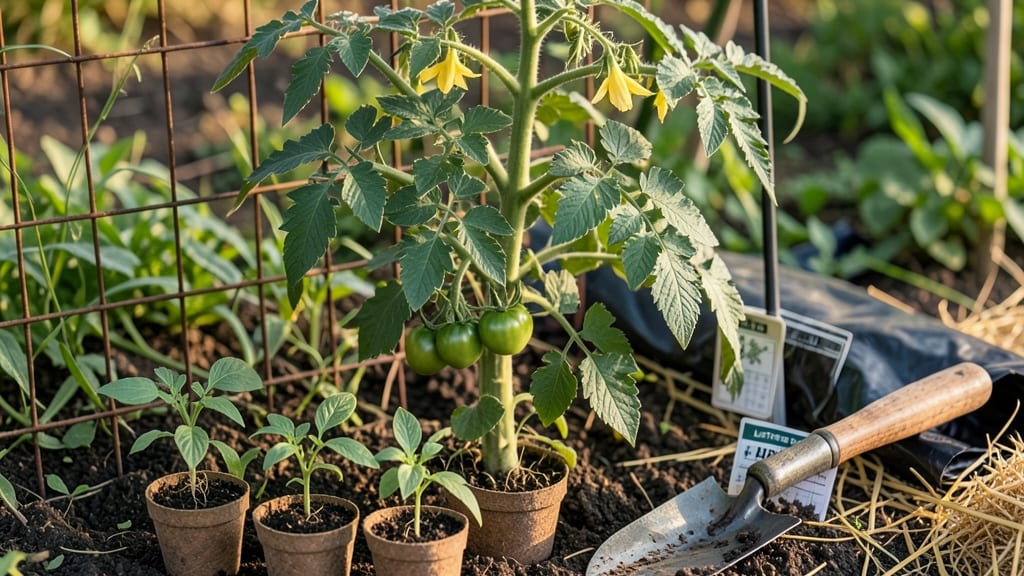
Timing when should you plant tomatoes in Oklahoma can mean the difference between a bountiful harvest and a sad, wilted garden. With Oklahoma's Zone 7b climate, you've got just 210 frost-free days to work with, and those windows open and close faster than you might think.
Most gardeners make the mistake of planting too early, only to watch their tender seedlings get nipped by late frosts. Or they wait too long, missing the chance to grow full-sized tomatoes before summer's brutal heat sets in.
The key is knowing exactly when to start seeds indoors and when to transplant them outside for the best results.
In this guide, I'll walk you through the perfect planting schedule for Oklahoma's unpredictable weather patterns. We'll cover everything from soil temperature requirements to adjusting for your specific microclimate, whether you're growing in containers or directly in the ground.
By following these proven strategies, you'll learn how to extend your growing season naturally and choose the best tomato varieties that thrive in Oklahoma's heat. Let's get your garden ready for a harvest that'll make your neighbors jealous!
Oklahoma Zone 7b tomato planting deadlines: last frost dates & heat tolerance
Oklahoma’s Zone 7b climate means late spring frost risks and sweltering summer heat—both critical factors for tomato planting. The last average frost date for most of Oklahoma falls between March 15 and April 15, but microclimates (like Tulsa’s slightly later dates) can shift your schedule by weeks.
For Oklahoma City, aim for mid-April planting, while Norman gardeners can start slightly earlier due to cooler nights.
Tomatoes thrive when soil temperatures stay above 60°F and nighttime temps remain above 50°F. Planting too early risks blossom-end rot or stunted growth, while waiting too long cuts your harvest window short.
The first frost typically arrives in mid-November, giving you roughly 210 frost-free days to grow tomatoes—just enough for early-maturing varieties.
Here’s the critical timeline for Oklahoma’s Zone 7b tomato gardeners:
| Stage | Action | Notes |
|---|---|---|
| Indoor Start (Feb) | Sow seeds 6-8 weeks before last frost | Use grow lights if natural light is <6 hours/day |
| Transplant Outdoors (Mid-April) | After soil reaches 60°F and night temps >50°F | Hardening off seedlings for 7-10 days first |
| Direct Sow (Late April) | Plant seeds directly after last frost | Best for heat-tolerant varieties like 'Solar Fire' |
| Succession Plant (June) | Sow new seeds for late-season harvest | Choose fast-maturing varieties (50-60 days) |
| First Frost Risk | Mid-November | Harvest all remaining fruit before temps drop |
For Oklahoma City, the ideal transplant window is April 15–May 1, while Tulsa can start a week earlier due to its slightly warmer microclimate. Heat-sensitive varieties like 'Better Boy' need to be planted by mid-April, whereas heat-tolerant types such as 'Celebrity' can handle late May transplanting.
Always check your local National Weather Service for 10-day forecasts before planting.
If you’re in a cooler microclimate (e.g., higher elevations near Oklahoma’s Ozark Mountains1–2 weeks to avoid late frost damage. Conversely, urban areas like Norman or Edmond often experience heat islands, allowing slightly earlier planting.
Use a soil thermometer to confirm temperatures before transplanting—60°F is non-negotiable for healthy root development.
Pro tip: Monitor almanac data from the Oklahoma Mesonet for real-time soil temps. Their daily updates can help you adjust planting dates if an unexpected cold snap looms. For example, the 2023 late frost in April 2023 caught many gardeners off guard, so staying flexible is key.
Tomatoes planted after June 1 risk heat stress, which causes blossom drop and poor fruit set. If you miss the spring window, opt for container gardening with heat-resistant varieties like 'Heatmaster' or 'Solar Set'.
These varieties can tolerate 90°F+ temps better than traditional types, extending your harvest into early October.
Remember: Succession planting in late June can yield a second harvest by September if you choose fast-maturing varieties (e.g., 'Early Girl' or 'Stupice'). Just be prepared to harvest aggressively before the first frost hits.
With the right timing, Oklahoma’s Zone 7b can deliver tomatoes from July to October—a reward worth the planning!
How to adjust planting time for Oklahoma’s unpredictable weather patterns
Oklahoma’s weather can be as unpredictable as a tornado warning—one day it’s 60°F and sunny, the next it’s a 32°F surprise frost. To beat these swings, I’ve learned to use season-extending tools and local weather tracking to give my tomatoes the best shot.
The key is flexibility: knowing when to push your planting window and when to pull back.
Start by monitoring soil temperatures with a cheap soil thermometer. Tomatoes need soil at least 60°F to thrive—any cooler, and you risk blossom-end rot or stunted growth.
In Oklahoma, this usually means waiting until mid-April for most regions, but cooler microclimates (like the Oklahoma Mountains) may need to wait until early May.
Here’s my go-to strategy for adjusting planting times: use row covers or cold frames to protect seedlings if you plant early. These tools can push your planting window back by 2-3 weeks without risking frost damage.
For example, I’ve successfully transplanted tomato seedlings under row covers as early as late March in Oklahoma City, then removed them once nighttime temps stayed above 50°F.
Don’t forget to check local weather forecasts like the National Weather Service or Oklahoma Mesonet for real-time updates. I’ve had years where an unexpected late frost in early May wiped out my early plantings—so always have a backup plan.
If you’re in a warmer microclimate (like near Lake Texoma), you might even get away with planting as early as late March.
For container gardeners, timing is even more critical. Pots heat up faster and dry out quicker, so I recommend waiting until after May 1 to transplant container tomatoes in Oklahoma. Use black plastic pots to absorb heat and add mulch around the base to keep roots cool during scorching afternoons.
This simple trick can add 10-14 extra days of productive growth before summer’s peak heat.
Finally, keep an eye on the Oklahoma State University Extension for annual updates on frost dates. Their data shows that while the average last frost is around March 15, actual dates can vary by 2-3 weeks depending on the year.
By staying flexible and using these tools, you’ll turn Oklahoma’s unpredictable weather into an advantage for your tomato harvest. 🌱