
Planting
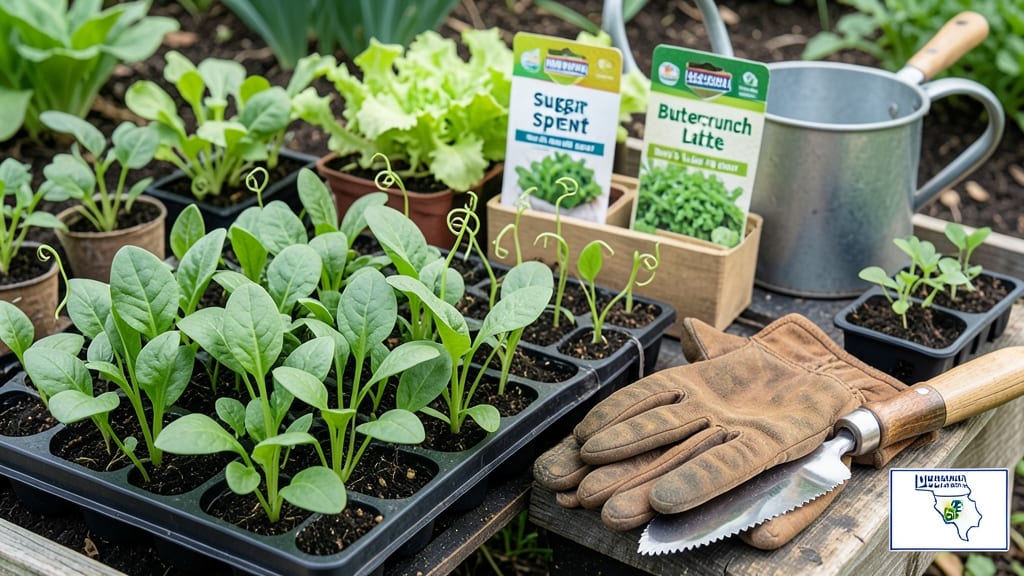
Knowing when to plant a garden in Missouri can transform your harvest from a gamble to a guaranteed success—especially in Zones 5 and 6, where timing is everything. The right planting window—especially in these zones—isn’t just about avoiding frost; it’s about maximizing growth when soil and weather align perfectly.
Missouri’s climate throws curveballs with its unpredictable springs, but knowing the exact deadlines for cool-season crops like spinach or warm-season stars like tomatoes gives you the edge. I’ve broken down the science behind frost dates and soil temps so you won’t guess—you’ll plant with confidence.
Whether you’re in St. Louis or Kansas City, the rules change slightly, and fall planting can extend your harvest well into autumn. Let’s dive into the precise timing that’ll turn your Missouri garden from “maybe” to “bountiful.”
Ready to skip the trial-and-error? Here’s how to nail your planting schedule—no more second-guessing, just strong starts and bigger yields.
Missouri planting deadlines by Zone 5 & 6: exact dates for vegetables, flowers & herbs
Missouri’s Zone 5 and 6 gardeners face unique challenges with last-frost dates that can vary by 2-3 weeks across the state.
In northern Missouri (Zone 5), the average last frost typically falls between April 15 and May 1, while southern Missouri (Zone 6) sees frost-free conditions by March 15 to April 1.
These dates are critical for determining when to plant cool-season crops like spinach and peas versus warm-season favorites like tomatoes and peppers.
For St. Louis gardeners (Zone 6), the window for planting warm-season vegetables opens around April 15, but you’ll want to wait until soil temperatures reach 60°F—often mid-to-late April. In Kansas City (Zone 6), the same crops can go in 1-2 weeks earlier, thanks to slightly warmer microclimates.
Meanwhile, cool-season crops like broccoli and lettuce should be sown 4-6 weeks before your last frost date to ensure a spring harvest before summer heat sets in.
Missouri’s first-frost dates also vary dramatically, with northern areas experiencing frost as early as October 15 and southern regions holding off until November 1. This means your fall planting window for crops like kale and radishes can stretch from August to early September, depending on location.
Understanding these regional differences helps you maximize your growing season without risking frost damage.
🌱
| Crop Type | Zone 5 Deadline | Zone 6 Deadline | Notes |
|---|---|---|---|
| Cool-Season Veggies (spinach, peas, lettuce) | March 15 - April 15 | March 1 - April 1 | Sow 4-6 weeks before last frost |
| Warm-Season Veggies (tomatoes, peppers, squash) | April 15 - May 1 | April 1 - April 15 | Wait for soil at 60°F+ |
| Flowers (marigolds, zinnias, sunflowers) | April 1 - May 1 | March 15 - April 1 | Direct sow after frost risk passes |
| Herbs (basil, cilantro, dill) | April 15 - May 1 | April 1 - April 15 | Basil needs warm soil |
| Fall Crops (kale, radishes, garlic) | August 1 - September 1 | August 15 - September 15 | Plant 6-8 weeks before first frost |
Missouri’s microclimates play a huge role in planting success. For example, urban areas like St. Louis often experience urban heat islands, allowing warm-season crops to thrive 1-2 weeks earlier than rural areas.
Conversely, higher elevations in the Ozarks may see frost linger until May 10, delaying planting by weeks. To account for this, I recommend checking the Missouri Climate Center’s frost data or using a soil thermometer to confirm readiness.
One of my biggest mistakes as a Missouri gardener was planting tomato seedlings too early in Zone 5. The April 15 deadline seems safe, but a late frost in early May can wipe out young plants.
Since then, I’ve adopted a 30-day rule: If your last frost date is April 15, don’t plant warm-season crops until May 15—this gives seedlings a buffer to establish roots before summer heat arrives.
For flowers and herbs, timing is equally critical. Marigolds and zinnias can handle light frosts, so they’re safe to direct-sow as early as April 1 in Zone 6.
However, basil and cilantro are far more finicky—basil won’t germinate until soil hits 50°F, while cilantro bolts in heat above 75°F. I’ve found that successive planting in 2-week intervals keeps both herbs productive all season.
Missouri’s fall planting is another game-changer for extending harvests. By planting kale, radishes, and garlic in late summer, you can enjoy fresh greens well into November.
The key is calculating your first-frost date—in Zone 5, that’s typically October 15, so aim to plant 6-8 weeks prior (around August 15). In Zone 6, you’ve got until September 15 to sow fall crops.
🌿
Pro tip: Use row covers or
How to adjust planting times for Missouri’s unpredictable spring weather
Missouri’s spring weather can swing from freezing nights to scorching afternoons in just a few weeks. These fluctuations make timing your garden tricky—especially for warm-season crops like tomatoes and peppers that need consistent warmth. I’ve learned the hard way that planting too early can leave seedlings vulnerable to frost, while waiting too long may shorten your growing season. The key is flexibility: using tools like soil thermometers and row covers to fine-tune your schedule. One of my go-to strategies is the 30-day rule for warm-season plants. This means waiting until the soil stays above 60°F for 30 consecutive days before planting. In Missouri’s Zone 5 and 6, this typically lands between mid-April and early May, but it varies yearly. For example, in St. Louis (Zone 6a), I’ve seen safe planting dates shift from late April to early June depending on the spring. Always check your local last frost date—the Missouri Botanical Garden’s frost calendar is a lifesaver.🚨 Warning: Late Frost Risks
Missouri’s late frosts can hit as late as May 15 in Zone 5 and May 1 in Zone 6. To protect seedlings, use row covers or cold frames to extend your planting window by 2-4 weeks. I’ve saved entire tomato plants by covering them during a late-April frost—the difference between a thriving garden and a sad, wilted mess!
Another trick I swear by is soil temperature checks. Warm-season crops like cucumbers and squash need soil temps above 70°F to germinate properly. A simple soil thermometer (around $10) can tell you exactly when your garden is ready. In my experience, Kansas City’s soil warms up faster than St. Louis’ due to its more continental climate, so I adjust my planting dates accordingly. For cool-season crops like spinach and peas, I plant as soon as the soil is workable—usually by early March—but I always have backup row covers ready. If you’re unsure about your local microclimate, observe your neighbors’ gardens. Notice when their dahlias or marigolds bloom—these are reliable indicators of soil warmth. I also recommend planting a test row of radishes in early spring; since they germinate quickly, they’ll tell you if your soil is ready for slower-growing crops. And remember: container gardening gives you more control over soil temperature, making it ideal for Missouri’s unpredictable springs. For herbs like basil and cilantro, I’ve found that starting seeds indoors in late February gives them a head start. By the time outdoor conditions stabilize, they’re already strong enough to handle Missouri’s spring whims. Finally, keep an eye on your local weather forecasts—the National Weather Service’s 14-day outlooks can help you plan for sudden cold snaps. With these adjustments, you’ll maximize your garden’s potential and avoid the heartbreak of lost seedlings. Pro Tip: Mark your calendar for June 1 as a hard cutoff for planting warm-season crops. After that, the heat and shorter days make germination difficult. But with these strategies, you’ll be harvesting homegrown tomatoes and peppers like a pro—no matter what Missouri throws at you! 🌱🌿