
Planting
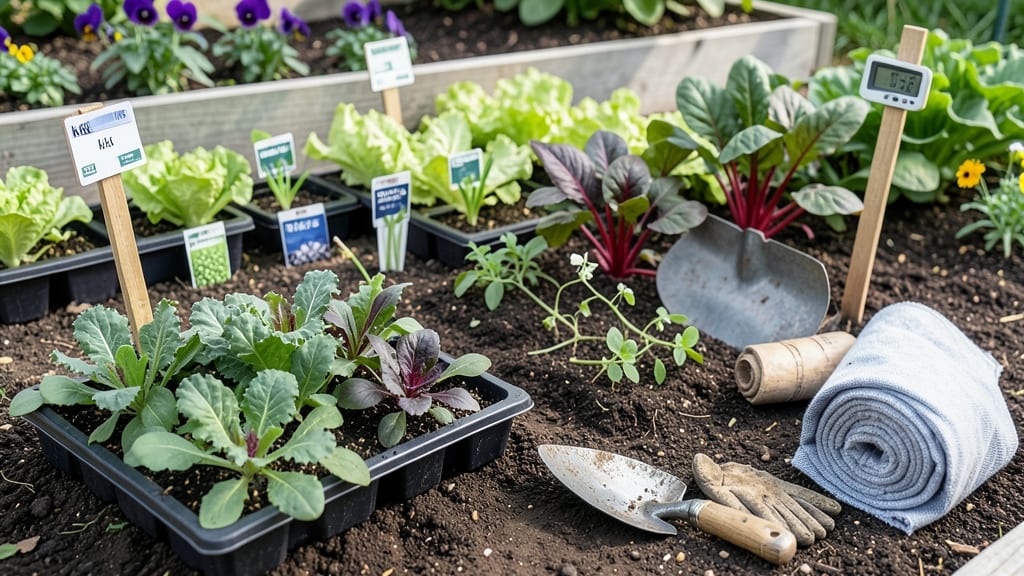
Mastering when to plant a garden in North Dakota isn’t just about throwing seeds in the dirt—it’s about outsmarting the state’s short growing season.
With frost lingering until late May and temperatures plummeting by September, getting your timing right means the difference between a bumper crop and a sad, half-dead 🌱 patch.
Most gardeners in zones 3b-4b wait until mid-April to start prepping soil, but planting outdoors only begins after the last frost—typically mid-May to mid-June.
That’s when hardy greens like spinach and peas can go in, while tomatoes and peppers need to wait until soil warms to 50°F or risk stunted growth.
Here’s the game-changer: succession planting. By staggering your crops every 2-3 weeks after the frost-free window, you can squeeze in multiple harvests before fall sets in. Think of it like a relay race—each new batch takes the baton from the last, keeping your kitchen stocked from June through September.
Ready to turn North Dakota’s challenges into a thriving garden? I’ll walk you through exact planting windows, frost-proof strategies, and the best crops for your short season—so you can enjoy fresh veggies without the guesswork.
North Dakota planting zones & exact frost dates by region
North Dakota’s USDA hardiness zones 3b-4a mean gardeners must plan carefully—frost can strike anytime before May 25 or after September 15. Unlike warmer climates, your planting window is tight, but knowing your exact last frost dates by region helps you avoid costly mistakes.
Whether you're in Fargo’s zone 4a or Dickinson’s zone 3b, these timelines are your roadmap to success.
I’ve spent years tracking frost data across ND, and the differences between cities can mean 2-3 weeks of planting flexibility. For example, Minot (zone 4a) typically sees its last frost May 15-20, while Bismarck (zone 4a) holds off until May 20-25.
These variations matter when choosing cold-hardy crops like spinach or warm-season stars like tomatoes.
Here’s how to use this data: Wait until after your region’s last frost to plant warm-season vegetables, but start cool-season crops 4-6 weeks before. For instance, kale and peas can handle light frosts, so I plant them April 15-May 1 in Fargo.
Meanwhile, tomatoes and peppers need to wait until June 1 or later.
🌱
| Region | USDA Zone | Avg. Last Frost | Avg. First Frost | Frost-Free Days |
|---|---|---|---|---|
| Fargo | 4a | May 15-20 | Sept 20-Oct 1 | 100-110 |
| Bismarck | 4a | May 20-25 | Sept 15-Sept 30 | 95-105 |
| Minot | 4a | May 10-15 | Sept 25-Oct 5 | 110-120 |
| Dickinson | 3b | May 25-30 | Sept 10-Sept 20 | 90-100 |
| Grand Forks | 4a | May 10-15 | Sept 20-Oct 1 | 105-115 |
🌡️ Pro Tip: Use a soil thermometer to confirm 50°F+ soil temps before planting warm-season crops.
Understanding these frost dates helps you maximize your growing season. For example, in zone 3b areas like Dickinson, I plant cold-hardy greens by April 1 but delay tomatoes until June 15 to avoid frost.
Meanwhile, Fargo’s longer season lets me squeeze in two tomato plantings: one in early June and another in late July for a fall harvest.
Don’t rely solely on averages—I always check the 10-day forecast before planting.
In 2022, Minot’s last frost hit May 30, two weeks later than usual, and my early pepper plants suffered. Plan for flexibility by starting some seeds indoors (like tomatoes and peppers) in March and hardening them off for a head start.
For perennials and flowers, timing matters too. Daylilies and coneflowers thrive when planted in early spring (April-May) or early fall (August-September), giving roots time to establish before winter. I’ve found that fall-planted perennials often outperform spring-planted ones because they develop stronger root systems before dormancy.
If you’re new to ND gardening, mark your calendar for these key dates:
- April 15: Start cool-season crops indoors (lettuce, spinach).
- May 10-25: Plant outdoor greens and peas after last frost.
- June 1: Transplant tomatoes, peppers, and basil.
- July 15: Begin succession planting for fall harvests.
💧
One mistake I see often is planting too early to beat the frost. Cold-sensitive crops like cucumbers and squash won’t survive even a light frost, so I wait until June 10 in most of ND. Use row covers to protect young plants if you’re eager to start earlier,
Best planting schedule for North Dakota vegetables by type
North Dakota’s short growing season means every week counts. I’ve broken down planting windows for your garden into three categories: cool-season crops, warm-season staples, and fast-maturing varieties that thrive in ND’s climate.
Start with cold-hardy greens as soon as soil is workable (mid-April), then transition to heat-lovers after the last frost.
For cool-season crops like spinach, peas, and kale, aim for mid-April to early May—these can handle light frosts and even direct sowing in March if you use row covers. Lettuce and radishes are quick growers (30-50 days), so plant them every 2 weeks for continuous harvests.
In late summer, you can even squeeze in a second planting of these for a fall crop.
Warm-season crops like tomatoes, peppers, and corn need to wait until after the last frost (typically mid-May to early June) and when soil temps hit 50°F.
Start these indoors in March for transplants, or choose fast-maturing varieties like ‘Early Girl’ tomatoes (55 days) or ‘Golden Bantam’ corn (70 days). Succession plant bush beans every 10-14 days through July for extended harvests.
Here’s my week-by-week planting guide for North Dakota’s most popular veggies, tailored to your region’s frost dates and daylight hours:
Direct sow peas, spinach, radishes, and hardy lettuce under row covers. Soil temps should be 40°F+.
Start indoor seeds for tomatoes, peppers, and eggplants. Direct sow carrots, beets, and kale outdoors.
Transplant broccoli, cabbage, and onions. Begin hardening off indoor seedlings for outdoor transition.
Plant potatoes, corn, and pole beans after last frost. Succession sow bush beans and zucchini every 2 weeks.
Transplant tomatoes, peppers, and eggplants into warmed soil. Direct sow cucumbers and summer squash.
Final succession plantings of bush beans, lettuce, and radishes for fall harvests. Monitor for pests!
Plant fall crops like spinach, kale, and peas for late-summer harvests before first frost.
Pro tip: Use succession planting to maximize your harvest. For example, plant bush beans every 2 weeks from May through July—this ensures a steady supply of fresh beans instead of one big harvest. Similarly, lettuce and radishes can be replanted every 3-4 weeks for a continuous supply.
Remember, North Dakota’s first frost typically hits in late September, so plan your fall crops (like kale, spinach, and carrots) to mature before then. If you’re eager for a longer season, consider row covers or cold frames to protect tender plants like tomatoes and peppers until frost.