
Plants
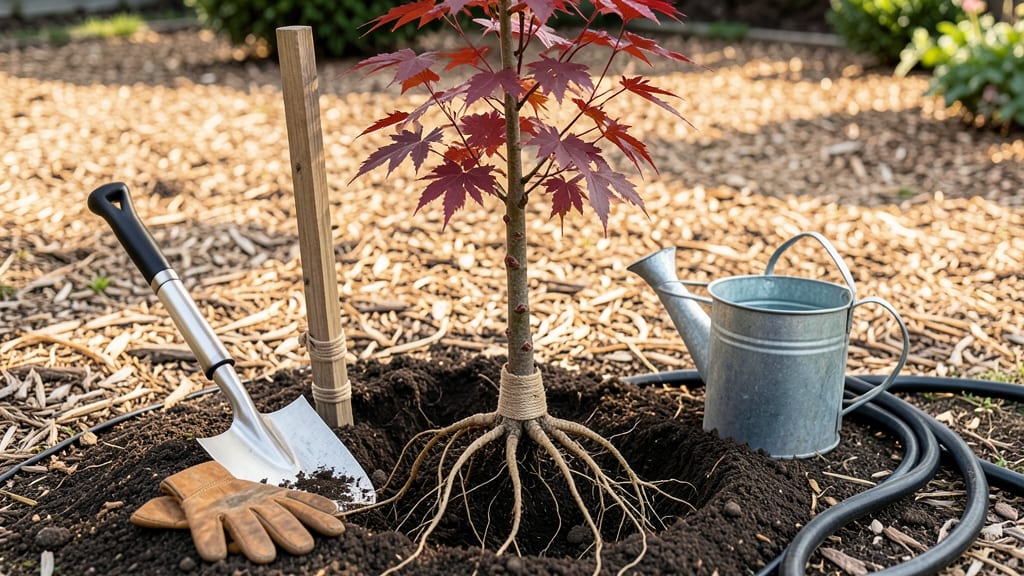
Knowing when to plant a tree in the ground can turn your green thumb into a success story—but getting the timing right is easier than you think.
Most gardeners assume spring is the only window, but USDA Zone 6a (like where you’re planting that 🌳) actually gives you two prime chances: early spring or fall. The key? Avoiding extreme heat and frost—both can shock young roots and stunt growth.
I’ll break down exactly when to dig that hole, how to prep your site, and what to watch for after planting. Spoiler: It’s not just about the calendar—soil temperature and tree type matter too.
Let’s get your tree off to the strongest start possible, so it grows tall and proud instead of struggling to survive.
Best planting windows by USDA hardiness Zone and frost dates
Timing your tree planting isn't just about the calendar—it's about understanding your USDA hardiness zone and local frost dates. In Zone 6a, like many mid-Atlantic regions, your last frost typically arrives around April 15, while first frost hits October 15.
These dates create a 165-day frost-free window that dictates the best months for planting. But rules vary dramatically across zones, so let's break it down.
Deciduous trees like maples and oaks thrive when planted in early spring (March–April) or late fall (September–October). The key? Planting when soil is workable but not frozen. Evergreens, including pine and spruce, are more flexible—they handle spring planting (March–April) or early fall (September) better than summer heat.
Avoid planting during peak summer months (June–August) unless you're in Zone 9-11, where dormant-season planting works best.
⚠️ PRO TIP: Always wait 2–3 weeks after the last frost in colder zones (3–5) to ensure roots establish before summer heat stress hits. In warmer zones (9–11), focus on dormant-season planting to avoid saturated soils.
| USDA Zone | Deciduous Trees (Best Months) | Evergreen Trees (Best Months) | Key Frost Date Rule | Local Data Sources |
|---|---|---|---|---|
| 3–5 | April–May (after last frost) | Early fall (Sept) or spring (April) | Wait 2–3 weeks after last frost | Local coop, NOAA |
| 6–8 | April–June or Sept–Oct | Spring (March–April) or fall (Oct–Nov) | Avoid summer heat | USDA Plant Hardiness Map |
| 9–11 | Nov–Feb (dormant season) | Spring (Feb–March) | Plant when soil isn’t saturated | Local nursery recommendations |
To find your exact last frost date, check resources like the USDA Plant Hardiness Map or your local Cooperative Extension Service. For example, in Zone 6a, planting a red maple in March gives roots 3–4 months to establish before winter dormancy.
Meanwhile, a blue spruce planted in September avoids summer drought stress. Always verify local conditions—microclimates can shift frost dates by 1–2 weeks.
For container-grown trees, timing shifts slightly. These trees can handle spring planting up to May in most zones, but avoid planting when soil temps exceed 75°F—this causes root burn.
In Zone 6a, aim for early April to align with soil warming trends. Pro tip: Use a soil thermometer to confirm temps are ideal before planting.
Evergreens need extra attention in Zone 6a. Planting a white pine in late fall (October) risks winter desiccation, while spring planting (March) gives roots time to establish before summer heat.
The root flare (where roots meet trunk) must sit 1–2 inches above soil level—burying it too deep suffocates the tree. Use a level to check placement before backfilling.
Don’t overlook bare-root trees, which are best planted in dormant season (late fall or early spring). Their exposed roots dry out quickly, so plant immediately after purchase. For balled-and-burlapped (B&B) trees, spring or fall works, but avoid planting when soil is frozen or waterlogged.
In Zone 6a, this means steering clear of January or December unless you’re experienced with winter planting techniques.
Remember: Tree species matter. Fast-growing willow trees tolerate a wider planting window, while slow-growing dogwoods need precise timing. Always match your tree’s native hardiness zone to your climate—planting a Zone 7 tree in Zone 6a risks winter damage.
Check the USDA Hardiness Zone Map or your tree’s tag for specifics.
🌱
How to adjust planting time for young vs. mature trees
Not all trees are created equal—and neither are their planting windows. A young bare-root sapling has completely different needs than a mature balled-and-burlapped (B&B) tree. Choosing the wrong timing for your tree’s life stage can mean the difference between a thriving canopy and a struggling survivor.
For young trees (bare-root or container-grown), the best time to plant is during their dormant season, which for most species falls in late fall or early spring. This gives their delicate roots time to establish before the stress of active growth.
In USDA Zone 6a, that means aiming for October or April, when soil temperatures are cool but not frozen.
Pros of Timing
- Young trees (bare-root): Plant in dormancy (fall/winter) for minimal stress
- B&B trees: Can handle warmer soil (spring/fall flexibility)
- Smaller root balls: Establish faster in moist soil
Cons of Poor Timing
- Summer planting: Higher transplant shock risk (drought stress)
- Large root balls: Need pre-dug holes to avoid compaction
- Evergreens in heat: May scorch or dry out
🌱 Pro Tip: If you must plant in summer, do it on a cloudy day and keep the root ball moist with burlap wraps.
Mature trees, especially those sold as balled-and-burlapped (B&B), have more flexibility. Their established root systems can handle warmer soil temperatures, giving you a slightly wider window—typically April through June or September through October.
However, avoid planting during peak summer heat, as the roots can dry out quickly, increasing transplant shock.
One critical factor often overlooked is root ball size. Smaller root balls (common in young trees) establish faster because they require less water and can adapt quicker to their new environment. Larger root balls, however, need pre-dug holes to prevent soil compaction around the roots.
If you’re planting a mature tree in summer, consider shading the root ball with burlap or a temporary shade cloth to reduce stress.
Evergreens, like pine or spruce, are particularly sensitive to heat stress. If you’re planting one in USDA Zone 6a, avoid late spring or summer planting. Instead, opt for early fall (September) or early spring (April) when temperatures are milder.
Evergreens planted in heat may develop scorched needles or struggle to establish new growth.
Finally, remember that soil temperature is just as important as air temperature. Use a soil thermometer to check that it’s above 40°F (4°C) for deciduous trees and 50°F (10°C) for evergreens before planting. Cooler soil helps reduce root stress and encourages faster establishment.