
Planting
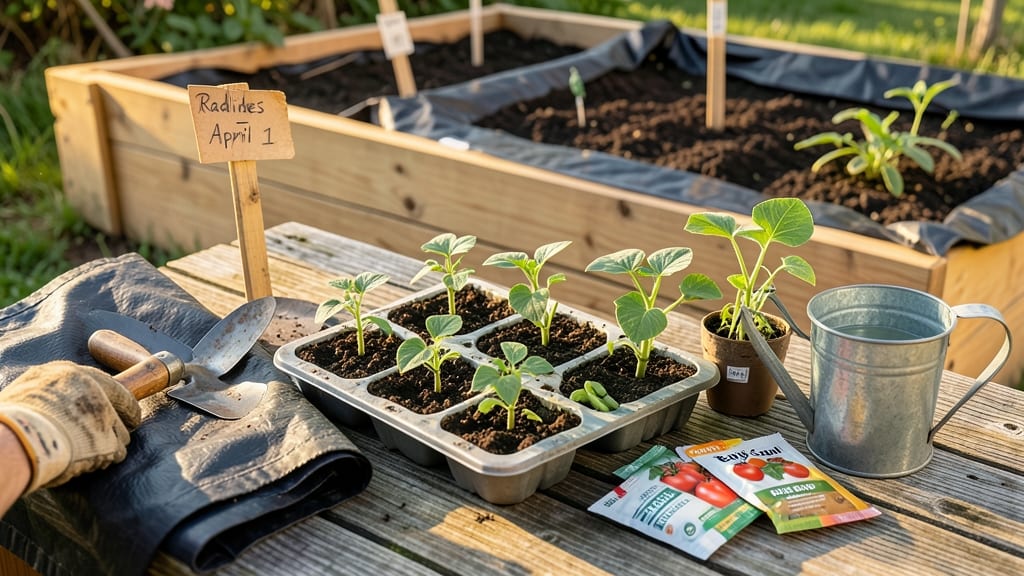
When to plant a vegetable garden in Ontario isn’t just about checking a calendar—it’s about outsmarting frost, microclimates, and the 165-day growing window that separates success from disappointment. Plant too early, and a late frost could turn your seedlings into sad, wilted memories. Too late? You’ll miss the sweet spot for tomatoes, peppers, and other heat-lovers that crave 10°C (50°F) soil before they’ll even think about growing.
Here’s the secret: Ontario’s frost dates aren’t one-size-fits-all. While Toronto might be ready by mid-May, rural areas like Sarnia could be frost-free weeks earlier, and coastal spots near Lake Erie often play by their own rules.
I’ll break down the exact deadlines for your region—whether you’re in Zone 5a or pushing the limits in Zone 6b—so you can align your planting with nature’s schedule, not guesswork.
But it’s not just about the calendar. We’ll also tackle the microclimate mysteries that confuse even experienced gardeners—like why your urban backyard might warm up faster than your neighbor’s rural plot.
Plus, I’ll share the 3 biggest timing mistakes Ontario gardeners make (and how to avoid them before your first seed hits the dirt).
Ready to turn your 🥬 vegetable garden into a thriving, frost-proofed success? Let’s get those planting dates locked in—before the next surprise frost rolls in.
Ontario’s frost-free date map: exact planting windows by region (Zone 4-6)
Ontario’s planting calendar isn’t one-size-fits-all—its three distinct climate zones (Zone 4 in North, Zone 5 in Central, Zone 6 in South) mean your neighbor’s last frost date could be weeks before yours.
For example, Sarnia often sees its last frost by May 10, while Ottawa might still face frost until May 25. These differences dictate when to sow seeds or transplant seedlings for cool-season crops like spinach and warm-season crops like tomatoes.
To simplify, I’ve broken down the average last frost dates by region, along with the ideal planting windows for Ontario’s most popular vegetables. Pro tip: Always check the Environment Canada frost forecast 1-2 weeks before your target planting date—it’s your best defense against surprise frosts.
For cool-season crops, start seeds 4-6 weeks before your last frost date, while warm-season crops need soil temperatures of 10°C (50°F) or higher.
Here’s how Ontario’s regions compare for spring planting deadlines:
| Region | Last Frost Date | Cool-Season Crops (Peas, Spinach, Lettuce) | Warm-Season Crops (Tomatoes, Peppers, Cucumbers) | First Frost (Fall) |
|---|---|---|---|---|
| Southern Ontario (London, Windsor, Sarnia) | May 5–15 | Start seeds: March 15–April 1 | Transplant after May 15 (soil 10°C+) | October 5–15 |
| Central Ontario (Toronto, Hamilton, Guelph) | May 10–20 | Start seeds: March 20–April 10 | Transplant after May 20 (soil 10°C+) | October 10–20 |
| Northern Ontario (Ottawa, Kingston, North Bay) | May 20–30 | Start seeds: April 1–May 1 | Transplant after May 30 (soil 10°C+) | September 25–October 5 |
Note: Coastal areas (e.g., Tobermory) may have 1-2 weeks later last frost dates due to lake effects.
For fall planting, the rules reverse. Start cool-season crops like kale and radishes in July (6-8 weeks before your first frost) and warm-season crops like bush beans in early August. The key is timing it so crops mature before the first hard frost (typically -2°C or lower).
In Southern Ontario, this means harvesting by October 15, while Northern Ontario gardeners should aim for early September harvests.
If you’re growing heat-loving crops like peppers or eggplants, consider starting them indoors in March and transplanting after your last frost. These plants need at least 80 days of warm weather to mature, so don’t wait too long to get them in the ground.
For short-season crops like bush beans or radishes, you can squeeze in two harvests—one in spring and one in fall—by following the same timeline in reverse.
One more critical tip: Soil temperature matters more than air temperature. Use a soil thermometer to confirm your soil is warm enough for warm-season crops.
If it’s still chilly in May, hold off on planting tomatoes or peppers—even if the air feels warm. Cold soil slows germination and can stunt growth. For cool-season crops, the opposite is true: too-warm soil can cause bolting (premature flowering) in lettuce or spinach.
For gardeners in Zone 6 (e.g., Niagara Region), you’ve got a slight edge—your growing season is 10-14 days longer than Northern Ontario. Take advantage by experimenting with earlier plantings of warm-season crops or later fall harvests.
Just keep an eye on those unpredictable late frosts, which can sneak in even after the average last frost date.
🌱
How to adjust planting times for Ontario’s microclimates (urban vs. rural vs. coastal)
Ontario’s microclimates can shift planting windows by weeks—even within the same city. Urban areas like Toronto often experience heat islands that warm soil faster, while rural spots near Lake Erie might stay cooler longer.
Coastal regions, like those near Georgian Bay, can delay frost dates by up to 2 weeks compared to inland areas. Understanding these differences is key to avoiding frost damage or wasted seed packets.
For example, if you’re gardening in a concrete-heavy urban yard, your soil might warm enough for tomatoes by early May—while a neighbor in a wooded suburban area could still be waiting until mid-May.
The same rule applies to coastal frost pockets, where cold air settles near water, pushing back planting dates by 7–10 days. I’ll show you how to adjust your timeline based on your specific microclimate, so you’re not playing guesswork with your 🌱 vegetable garden.
Here’s the game-changer: soil temperature matters more than air temperature. Use a soil thermometer to confirm when your garden bed hits 10°C (50°F) for warm-season crops like peppers and eggplants. In urban areas, this can happen 1–2 weeks earlier than in rural zones.
For cool-season crops (e.g., spinach, peas), plant 4–6 weeks before your last frost date, but adjust if your microclimate runs colder.
🌡️ Microclimate Adjustments for Ontario Gardeners
Urban Heat Islands
Soil warms 1–2 weeks faster than rural areas. Plant tomatoes, peppers by early May (vs. mid-May inland). Use shade cloth in summer to prevent bolting.
Rural/Farmland
Cooler soils delay planting by 7–10 days. Start cold-hardy crops (kale, peas) earlier, but wait for 10°C soil for tomatoes. Use black plastic mulch to warm beds faster.
Coastal/Lake Regions
Later frosts mean delay planting by 1–2 weeks. Prioritize cold-tolerant varieties (e.g., 'Early Girl' tomatoes) or use row covers for extra protection.
Elevated Areas
Hills and slopes warm up faster—ideal for early spring planting. Plant radishes, lettuce 2 weeks ahead of valley gardens. Watch for windburn on young seedlings.
Low-Lying Areas
Cold air settles here—plant later or use cold frames. Avoid frost-sensitive crops (e.g., basil, cucumbers) unless you have protection.
Pro tip: If you’re unsure about your microclimate, monitor local weather stations (like Environment Canada’s frost forecasts) and compare them to your garden’s specific conditions.
For example, a south-facing urban garden might be ready for cucumbers by late May, while a north-facing rural plot could need to wait until June. Row covers or cold frames can buy you an extra 2–3 weeks of growing time in tricky spots.
Don’t forget about fall planting either! Coastal areas can extend the season by 10–14 days, while inland gardens might need to wrap up by early September. Plan your 🌿 fall crops (kale, carrots, spinach) accordingly—these can handle light frosts and even sweeten up after a freeze.
The key is knowing your microclimate’s first frost date and working backward from there.
By tweaking your planting timeline to match your local conditions, you’ll avoid the heartbreak of frost-nipped seedlings or underperforming crops. Test your soil, observe your yard’s quirks, and adjust—your 🥕 vegetable garden will thank you with a bountiful harvest!