
Planting
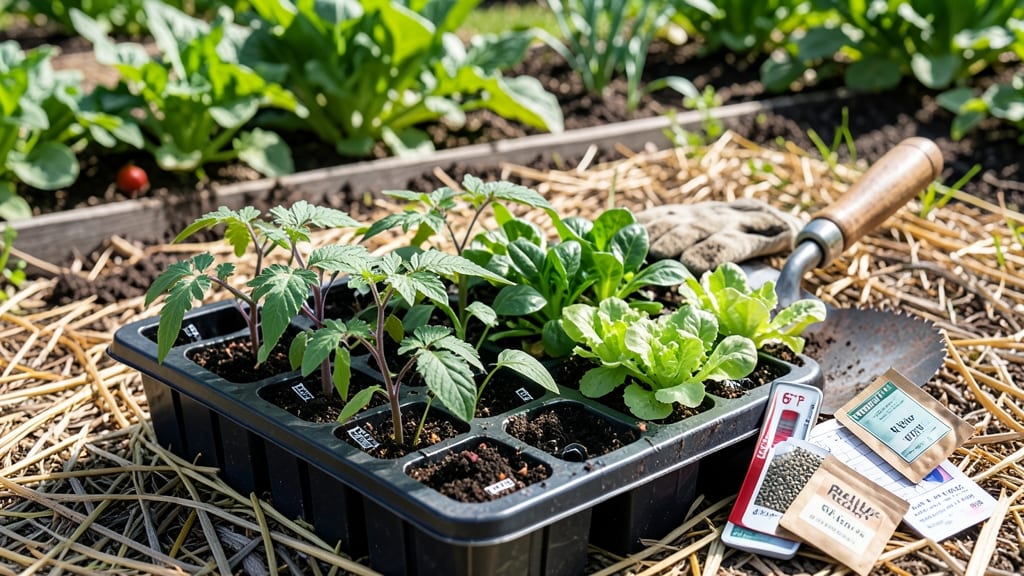
Timing when to plant a vegetable garden in Virginia isn’t just about following a calendar—it’s about outsmarting the region’s tricky frost dates and microclimates that can turn a perfect spring into a gardening gamble.
Whether you’re in the cooler Piedmont or the warmer Coastal Plain, planting too early or too late could mean wasted seeds or stunted harvests.
Most Virginia gardeners know the basics—cool-season crops like lettuce and peas go in early, while tomatoes and peppers wait until after the last frost. But did you know the average last frost date shifts from mid-April in the mountains to early March near the coast?
That’s why a one-size-fits-all approach fails.
In this guide, I’ll break down the exact month-by-month deadlines for starting seeds, transplanting seedlings, and harvesting staples—tailored to Virginia’s USDA Zones 6b-8a. You’ll learn how to align your planting with the region’s unpredictable spring and fall transitions, plus pro tips to extend your growing season.
Ready to turn your backyard into a year-round harvest hub? Let’s dive into the zone-specific planting schedule that’ll keep your garden thriving from March through November.
Virginia’s planting calendar by month: exact dates for seeds vs. transplants
Timing is everything in Virginia’s vegetable garden, where last frost dates can vary by 10 days between the coastal plains and mountain regions. Use these month-by-month guidelines for USDA Zones 6b-8a to align your planting with Virginia’s unpredictable spring transitions and heat waves.
I’ve included both direct sowing and transplanting windows to maximize your harvest.
Start by marking your average last frost date—typically mid-April—as your anchor. For cool-season crops like lettuce and peas, begin 4-6 weeks before this date, while warm-season crops like tomatoes and peppers need to wait until 2-3 weeks after.
Virginia’s fall planting also requires precision, with first frost arriving as early as mid-October in higher elevations.
Here’s your Virginia-specific planting calendar, organized by month and crop type for clarity:
| Month | Cool-Season Crops (Direct Sow) | Warm-Season Crops (Transplant) | Fall Planting Window |
|---|---|---|---|
| February | Spinach, kale, peas (Zone 7b-8a) | Start indoors: tomatoes, peppers, eggplants | N/A |
| March | Lettuce, radishes, carrots, broccoli | Transplant hardy greens (kale, collards) | Late August (for late fall harvest) |
| April | Beets, Swiss chard, cabbage (after last frost) | Tomatoes, peppers, cucumbers (2-3 weeks post-frost) | September (cool crops only) |
| May | N/A (too warm for most cool crops) | Sweet potatoes, okra (Zone 7b-8a) | N/A |
| June | N/A | Late beans, squash (succession plant) | N/A |
| July | N/A | N/A (focus on maintenance) | Late July (for fast-maturing crops) |
| August | Late lettuce, radishes (shade cloth) | N/A | August-September (broccoli, cabbage) |
| September | Spinach, peas, garlic (for spring harvest) | N/A | N/A (first frost risk) |
🌱 Pro Tip: Use row covers to extend cool-season planting by 2-3 weeks in spring/fall.
For Zone 6b gardeners in the Piedmont region, prioritize early spring planting and fall succession crops like bush beans or turnips to avoid frost. Meanwhile, Zone 8a gardeners in the Tidewater area can push warm-season crops like okra and sweet potatoes into late May without fear of frost.
Don’t overlook soil temperature—most warm-season crops need soil at 60°F+ to germinate. Use a soil thermometer to confirm readiness, especially in cooler microclimates like mountain valleys. I’ve had tomato seeds fail to sprout in 55°F soil, despite warm air temperatures.
Plan for succession planting in May-June to replace early harvests. For example, sow bush beans every 2 weeks until mid-July to ensure a steady supply. This works especially well for fast-maturing crops like radishes (30 days) and lettuce (45 days).
In Zone 7a, where I garden, I’ve found that transplanting tomatoes by May 1st (after the average last frost) gives them enough time to ripen before fall. However, in Zone 6b, I delay until May 15th to avoid late spring frosts that can stunt growth.
Use Virginia Cooperative Extension’s frost maps to refine your schedule. Their localized data accounts for microclimates like urban heat islands or sheltered valleys. For instance, Richmond’s last frost is often 2 weeks earlier than Blacksburg’s, so adjust accordingly.
Finally, keep a planting journal to track your actual frost dates versus averages. Over 3 years, I’ve seen my last frost shift from April 15th to May 1st—climate change is real, and your garden schedule should adapt.
Start with these monthly deadlines, then fine-tune based on your local observations.
Virginia’s planting calendar by month: exact dates for seeds vs. transplants
Virginia’s planting schedule hinges on last frost dates, which vary dramatically from the Coastal Plain to the Blue Ridge Mountains. In Zone 6b (e.g., Roanoke), the average last frost is April 15, while Zone 8a (e.g., Norfolk) sees frost-free soil by March 1.
These differences mean your cool-season crops like broccoli and spinach must go in 4-6 weeks before your local last frost, while warm-season crops like tomatoes and peppers wait until 2-3 weeks after.
To simplify, I’ve mapped out month-by-month deadlines for both direct sowing (seeds in the ground) and transplanting (seedlings from nurseries). For example, peas and lettuce can start as early as February in Zone 8a, but wait until March in Zone 6b.
Meanwhile, tomatoes and peppers won’t tolerate frost, so they’re planted after April 15 in most regions.
Here’s the breakdown you need to avoid frost damage and overcrowded seedlings:
| Month | Direct Sow (Seeds) | Transplant (Seedlings) | Key Crops |
|---|---|---|---|
| February | Zone 8a only (coastal) | Start indoors: tomatoes, peppers | Peas, spinach, lettuce |
| March | 4-6 weeks before last frost | Hardy transplants: broccoli, cabbage | Carrots, radishes, kale |
| April | After last frost (Zone 6b: mid-April) | Tomatoes, peppers, eggplant | Beans, cucumbers, squash |
| May | Succession plant: lettuce, radishes | Late transplants: basil, okra | Green onions, Swiss chard |
| August | Cool-season crops for fall | Broccoli, cabbage, kale | Spinach, peas, lettuce |
🌱 Pro Tip: Use row covers to extend spring planting by 2-3 weeks in cooler zones.
For Zone 6b gardeners, don’t rush to plant warm-season crops like tomatoes until after May 1—early planting risks frost damage to young plants. Meanwhile, Zone 8a gardeners can push the envelope by planting fall crops like spinach in September for harvests before the first frost in mid-October.
One critical mistake is ignoring microclimates. A south-facing bed warms up faster than a north-facing one, so you can plant 2 weeks earlier in sunny spots.
Similarly, low-lying areas hold frost longer, delaying your planting by 10-14 days. Always scout your yard for these differences before setting your calendar.
Finally, succession planting is your secret weapon. Instead of sowing all your lettuce seeds at once, stagger them every 2 weeks from March to May. This ensures a continuous harvest and prevents bolting (when greens flower too soon).
For tomatoes and peppers, wait until soil temps hit 60°F—use a soil thermometer to avoid stunted growth.
By following this zone-specific schedule, you’ll dodge frost, maximize yields, and enjoy homegrown veggies from April through November. Next, we’ll tackle the top 5 planting mistakes Virginia gardeners make—and how to fix them before it’s too late. 🌿