
Plants
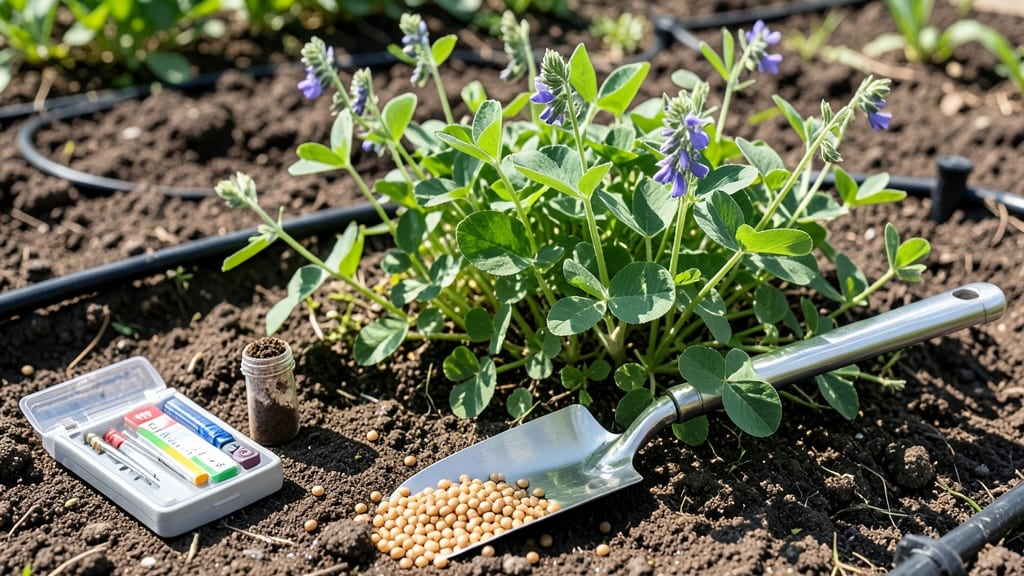
Planting alfalfa in North Carolina at the wrong time can turn your hard work into a drought-stressed mess—so timing is the game-changer between a thriving forage crop and wasted effort.
Whether you're a farmer or a homesteader, the best windows are early spring or late summer, when the soil is warm enough to support strong root growth without smothering in summer heat.
North Carolina’s 6a-8b zones mean you’ve got flexibility, but those late frosts in March and early heatwaves by June demand precision. I’ll break down exactly why spring and summer planting work best for your region—plus how to prep soil and avoid common pitfalls like poor drainage or pest pressure.
You might think alfalfa is low-maintenance, but in NC’s humid climate, timing and soil prep make all the difference. We’ll cover when to plant for maximum drought resistance, how to test your soil, and which companion plants keep pests at bay.
Ready to grow alfalfa that stands up to NC’s weather? Let’s dive into the best practices so you can harvest lush forage season after season.
Best planting times for alfalfa in North Carolina (spring vs. summer)
North Carolina’s humid subtropical climate creates two ideal windows for planting alfalfa: early spring and late summer. Both seasons offer unique advantages, but understanding the soil temperatures and frost risks will help you decide which timing works best for your specific region in NC (USDA zones 6a-8b).
For most of NC, the last frost date typically falls around March 15, while the first frost arrives around November 15. This gives you a 180-240 day frost-free period, perfect for alfalfa’s 90-120 day growth cycle before multiple harvests.
Let’s break down the pros and cons of each planting window.
🌱
| Factor | Early Spring (March-April) | Late Summer (August-September) |
|---|---|---|
| Soil Temperature | 50-65°F (ideal for germination) | 75-85°F (warmer, faster growth) |
| Frost Risk | Moderate (late frosts possible) | None (safe from frost) |
| Water Needs | Higher (spring rains + irrigation) | Moderate (summer heat increases evaporation) |
| Growth Speed | Slower (cooler temps) | Faster (warmer soil) |
| Pest Pressure | Lower (cooler weather) | Higher (summer pests like aphids) |
| Harvest Window | Spring-Summer (3-4 cuttings) | Fall-Winter (2-3 cuttings) |
| Best For | Beginners, cooler NC regions | Experienced growers, warmer NC regions |
If you’re in western NC (zones 6a-7a), early spring planting is often safer due to later frost risks.
However, regions like the Piedmont (zone 7b) and Coastal Plain (zone 8a) can safely plant in late summer, taking advantage of warmer soil temperatures that speed up germination and early growth.
For both seasons, aim to plant when soil temperatures reach at least 50°F. Use a soil thermometer to check—alfalfa seeds won’t sprout effectively in colder soil. In late summer, wait until August 15 or later to avoid planting too close to the first frost, especially in mountain regions.
One key advantage of late summer planting is that alfalfa establishes roots before winter, giving it a head start in spring. However, this window requires vigilant pest control, as summer pests like alfalfa weevils and aphids thrive in NC’s heat and humidity.
If you choose this timing, monitor your crop closely for signs of infestation.
For early spring planting, focus on soil preparation in late winter. Work in compost or aged manure to improve soil structure and fertility, which helps alfalfa’s deep root system get established quickly. This timing also aligns with NC’s natural rainfall patterns, reducing your irrigation needs once seeds germinate.
Regardless of which window you choose, avoid planting in fall. Alfalfa is a cool-season crop, but it needs time to establish before winter. Fall-planted alfalfa often struggles with weak root development and higher susceptibility to winterkill in NC’s occasional hard freezes.
🌿
Best planting times for alfalfa in North Carolina (spring vs. summer)
North Carolina’s 6a-8b climate zones give you two prime windows to plant alfalfa: early spring (March-April) or late summer (August-September). Both seasons avoid extreme heat or frost, but each has unique advantages.
Spring planting lets you capitalize on NC’s long growing season, while summer planting helps alfalfa establish before winter’s chill sets in.
For spring planting, aim for after your last frost date (typically mid-March in most of NC). This gives seeds time to germinate in 60-70°F soil before summer’s heat arrives.
Meanwhile, late summer planting (August-September) lets alfalfa develop roots before cooler weather slows growth. Both strategies work—but your choice depends on your goals.
Here’s how the two planting windows compare for alfalfa success in NC:
| Factor | Spring Planting (March-April) | Late Summer Planting (August-September) |
|---|---|---|
| Soil Temp | 55-65°F (ideal for germination) | 70-80°F (roots establish quickly) |
| Frost Risk | Low (after mid-March) | None (harvest before winter) |
| Water Needs | Moderate (spring rains help) | Higher (summer heat demands more) |
| Drought Risk | Low (spring moisture) | Moderate (late summer dry spells) |
| Pest Pressure | Low (early season) | Higher (aphids, cutworms) |
If you’re in western NC (Zone 6a), spring planting is safer—cooler temps reduce stress on young plants. But in eastern NC (Zone 8a), late summer planting often yields better because the humidity is lower, and pests are less aggressive.
Either way, avoid planting in May or October—those months bring unpredictable NC weather.
For maximum drought resistance, late summer planting wins because alfalfa’s deep roots establish before winter. But if you’re aiming for an early first harvest, spring planting gives you a head start. Test your soil’s moisture retention before deciding—alfalfa hates soggy roots but thrives with consistent water.
Pro tip: If you’re unsure, plant a small test patch in both spring and summer to see which works better on your property. NC’s microclimates vary wildly, and your local conditions might favor one season over the other.