
Planting
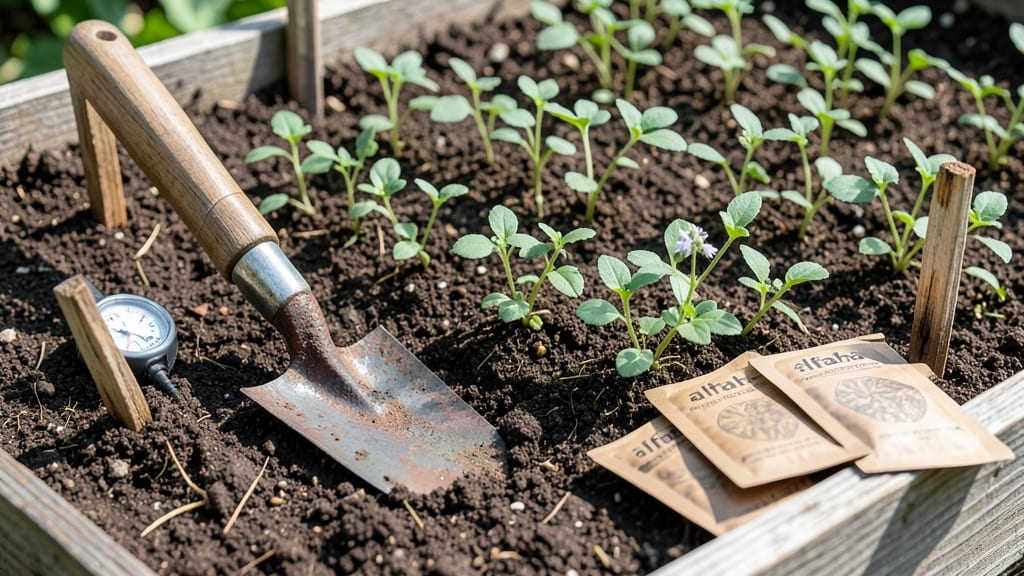
Timing your alfalfa planting just right in spring can mean the difference between a thriving 🌱 crop and wasted effort. This cold-hardy legume loves cooler temperatures but needs precise conditions to establish strong roots before summer heat arrives.
If you're in USDA Zone 6a like many gardeners, the ideal window opens in early spring—typically between March and April—when soil temperatures reach 40-50°F. Plant too early, and frost can damage tender seedlings; too late, and you might miss the peak growth period before summer's intensity.
I’ve learned the hard way that proper soil prep and seed timing are game-changers for alfalfa success. Whether you’re a backyard gardener or managing a larger plot, these steps will help you avoid common pitfalls and maximize your yield.
Let’s break down exactly when to plant, how to prepare your soil, and the early-care tips that’ll set your alfalfa up for a strong start. Ready to get growing?
Ideal spring planting windows for alfalfa by USDA hardiness zones
Alfalfa's success starts with timing—plant too early and risk frost damage, too late and miss its growth peak. Since alfalfa thrives in cooler temperatures (40-50°F), spring planting should align with your USDA hardiness zone and last frost date.
In zones 3-7, the ideal window spans from early March to late April, but regional factors shift this timeline significantly.
For gardeners in zones 3-5, aim for late April to early May—waiting until soil warms to 50°F prevents seed rot. Meanwhile, those in zones 6-7 can plant as early as mid-March, leveraging milder winters.
Always check your local frost dates—planting 2-3 weeks after the last frost ensures seedlings avoid chilly nights.
Here’s how your zone impacts alfalfa’s spring planting window:
| USDA Zone | Planting Window | Soil Temp Threshold | Key Consideration |
|---|---|---|---|
| Zones 3-4 | Late April–Early May | 50°F+ | Wait for consistent warmth to avoid frost damage. |
| Zones 5-6 | Mid-March–Late April | 45°F+ | Plant 2-3 weeks after last frost for best germination. |
| Zones 7-8 | Early March–Mid-April | 40°F+ | Soil may warm earlier—test with a thermometer. |
Pro tip: Use a soil thermometer to confirm temperatures. Alfalfa seeds need consistent moisture but won’t germinate below 40°F. In warmer zones (7+), consider early March planting to beat summer heat, while cooler zones (3-5) should delay until late April.
For container gardening, plant alfalfa in early April—containers warm faster than soil but dry out quicker. Always use well-draining mixes to prevent root rot. If you’re in a transition zone (e.g., zone 6b), err on the side of later planting (late April) to avoid unpredictable frost.
Alfalfa’s nitrogen-fixing roots thrive when planted in full sun (6+ hours daily). Choose a south-facing spot to maximize warmth. If your garden has partial shade, plant in early spring (March) to capture maximum sunlight before summer shade sets in.
After planting, mulch with straw to retain moisture and regulate soil temperature. This is especially critical in dry climates (zones 7-8), where mulch prevents soil from overheating. Avoid thick mulch layers—1-2 inches is ideal to allow airflow to roots.
Remember: Alfalfa’s root system develops quickly in cool weather. Planting at the right time ensures deep root establishment before summer heat arrives, setting the stage for a high-yielding crop by late summer.
Once your alfalfa is established, it becomes drought-tolerant and low-maintenance. But that starts with perfect spring timing—so mark your calendar and get those seeds in the ground!
Ideal spring planting windows for alfalfa by USDA hardiness zones
Alfalfa's success hinges on planting it when soil temperatures hit 40-50°F—too cold, and germination stalls; too warm, and seedlings struggle. In USDA Zones 3-7, timing varies dramatically, so knowing your zone is critical.
For example, gardeners in Zone 3 should wait until late April, while those in Zone 7 can start as early as mid-March.
I’ve found that early spring planting—right after the last frost—gives alfalfa the 6-8 weeks it needs to establish before summer heat arrives. Missing this window risks stunted growth or poor survival rates. Let’s break down the best planting times by zone to help you avoid these common pitfalls.
| USDA Zone | Best Planting Window | Soil Temp Threshold | Key Consideration |
|---|---|---|---|
| Zone 3 | Late April - Early May | 45-50°F | Wait for last frost (avg. May 1) |
| Zone 4 | Mid-April - Late April | 40-45°F | Use row covers for early starts |
| Zone 5 | Early April - Mid-April | 40-48°F | Test soil moisture weekly |
| Zone 6 | Mid-March - Early April | 40-50°F | Plant after last frost (avg. April 15) |
| Zone 7 | Mid-February - March | 45-55°F | Avoid late starts (heat stress risk) |
For gardeners in Zones 3-4, I recommend starting seeds indoors 4-6 weeks before your target outdoor date. This head start helps compensate for shorter growing seasons.
In warmer zones (Zone 7+), you can even plant alfalfa in late winter if you’re willing to provide shade cloth to protect seedlings from intense afternoon sun.
Pro tip: Use a soil thermometer to confirm temperatures before planting. Alfalfa seeds need consistent warmth to germinate—if soil temps dip below 40°F, germination slows dramatically. I’ve seen seedlings take 3 weeks to emerge when planted too early in cool zones!
Remember, alfalfa’s nitrogen-fixing superpowers mean it’ll reward you with healthier soil over time—but only if you give it the right start. Plan your planting date now, and your alfalfa will thank you with lush, deep roots by midsummer. 🌱