
Plants
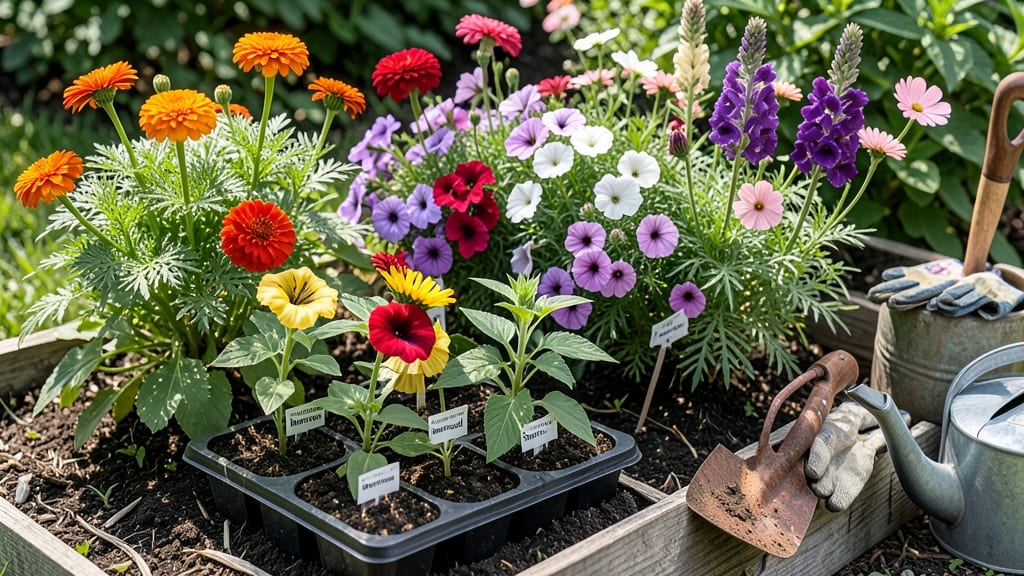
Planting annuals in Missouri at the wrong time can mean the difference between a vibrant garden and a sad, frost-nipped disappointment. The perfect planting window depends on your region’s frost dates and hardiness zones—something that varies wildly from St. Louis to Kansas City.
I’ve spent years watching Missouri’s unpredictable spring weather turn hopeful gardeners into frustrated ones overnight. But here’s the good news: with the right timing, you can beat frost, extend your growing season, and enjoy blooms from May through October—no matter where you’re planting.
Whether you’re dreaming of marigolds brightening your porch or tomatoes heavy with summer sun, this guide will help you pinpoint the best months to get your annuals in the ground. No more guesswork—just lush, thriving plants that make your garden the envy of the neighborhood.
Let’s dive into Missouri’s frost-free secrets so you can start planting with confidence this spring.
Missouri’s frost dates and hardiness zones: the exact timeline for planting annuals
Missouri’s USDA hardiness zones range from 5b in northern areas to 7a in southern regions, creating a diverse planting landscape. The average last frost date shifts dramatically—from mid-April in St. Louis to late May in Kansas City.
These dates are your gardening compass, separating cool-season annuals (like pansies) from warm-season favorites (like tomatoes).
Understanding these microclimates is critical. A St. Louis garden might safely plant marigolds in early May, while northern Missouri gardeners should wait until mid-May. The first frost typically arrives between mid-October and November, giving you a 150-200 day growing season depending on location.
For cool-season annuals, start seeds indoors 6-8 weeks before your last frost date. Spinach and lettuce can handle light frosts, but tomatoes and peppers need soil temperatures above 60°F. Use a soil thermometer to check—this is your best indicator for warm-season planting.
Missouri’s hardiness zones also affect plant maturity timing. A zone 6b garden in Columbia has fewer frost-free days than zone 7a in Cape Girardeau, meaning you’ll need to choose faster-maturing varieties in northern areas.
Always check seed packets for days to maturity to align with your local frost dates.
Missouri’s northern regions (like St. Joseph) often experience later last frosts due to lake-effect cooling from nearby reservoirs. If you’re in doubt, use frost cloth to protect tender seedlings. For warm-season crops, wait until nighttime temperatures stay above 50°F—this is your true green light to plant.
Don’t forget about fall planting! Many cool-season annuals thrive when planted in late summer for autumn harvests. Kale and radishes can handle light frosts, while pansies and snapdragons add color to winter gardens. Aim to plant these 6-8 weeks before your first frost date for best results.
For container gardening, you have more flexibility—move pots indoors or to protected areas during cold snaps. This extends your growing season by 2-4 weeks compared to in-ground planting. Just ensure containers have drainage holes and use lightweight potting mix to prevent freezing.
Pro tip: Use the 50°F soil temperature rule for warm-season crops. Test your soil with a thermometer—if it’s below this threshold, wait another week. This simple check prevents seedling rot and ensures strong root development.
Missouri’s microclimates mean your neighbor’s garden might be 2-3 weeks ahead of yours. Pay attention to local weather patterns—some years, late spring frosts hit in May, while others bring unseasonably warm
Missouri’s frost dates and hardiness zones: the exact timeline for planting annuals
Missouri’s USDA hardiness zones 5b-7a and average last frost dates (ranging from early April in southern regions to late April in northern areas) create a complex puzzle for annual gardeners.
The key is knowing when your local soil warms enough to support seed germination while avoiding late frosts that can wipe out tender seedlings.
For example, St. Louis (Zone 6a) typically sees its last frost around April 15, while Kansas City (Zone 6b) holds off until April 22.
These dates determine whether you can plant cool-season annuals like lettuce or pansies in early spring or must wait for warm-season favorites like tomatoes and marigolds until after Memorial Day.
Here’s the critical rule: Wait until nighttime temperatures consistently stay above 50°F (10°C) for cool-season plants and at least 60°F (15°C) for warm-season varieties. Soil temperature matters just as much—most annuals thrive when soil reaches 55-65°F (13-18°C). A soil thermometer is your best friend here.
| Region | Avg Last Frost | Avg First Frost | Safe Planting Window |
|---|---|---|---|
| St. Louis (Zone 6a) | April 15 | October 20 | April 20 - May 10 (warm-season) |
| Kansas City (Zone 6b) | April 22 | October 10 | April 25 - May 15 (warm-season) |
| Springfield (Zone 6a) | April 10 | October 25 | April 15 - May 5 (warm-season) |
| Southeast MO (Zone 7a) | March 20 | November 5 | March 25 - April 10 (warm-season) |
Cool-season annuals like pansies, snapdragons, and spinach can handle Missouri’s early spring chills, but they must be planted 4-6 weeks before your last frost date. For example, in St. Louis, that means sowing seeds or setting out transplants by March 15.
These hardy plants often produce their best blooms when given a head start in cooler weather.
Warm-season annuals, including tomatoes, peppers, and marigolds, demand patience. These heat-lovers won’t germinate until soil temperatures reach 60°F (15°C) or higher, which typically happens in late April to early May across most of Missouri.
Planting too soon leads to stunted growth or seed rot—neither of which you want in your garden.
Pro tip: Use row covers or cold frames to extend your planting window by 2-3 weeks for frost-sensitive varieties. This simple trick lets you enjoy earlier harvests and longer blooming seasons without risking frost damage. Just