
Plants
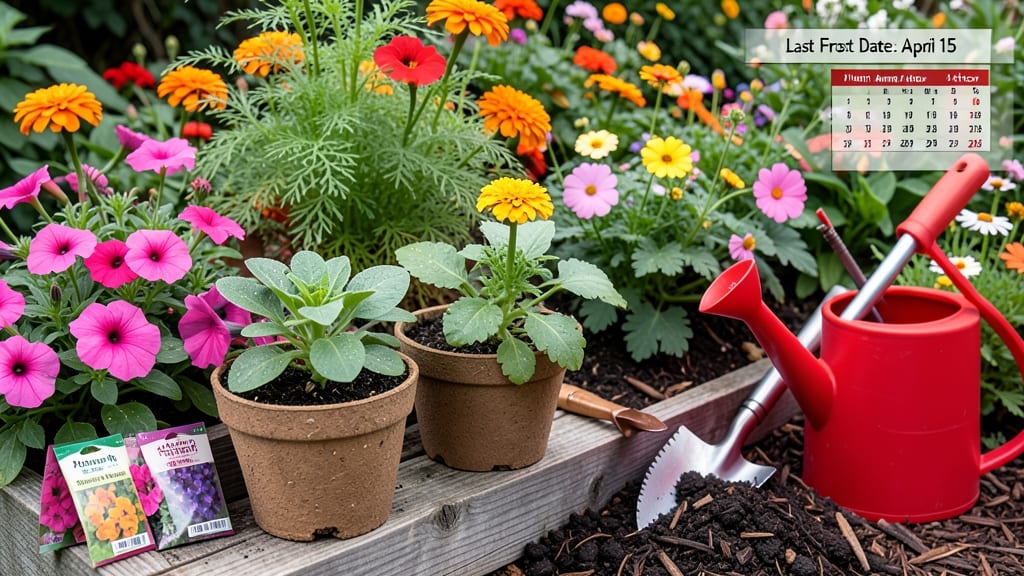
Timing your annuals planting in New Jersey can make or break your garden's summer vibrancy—especially with the state's shifting microclimates from coastal breezes to inland heatwaves.
Whether you're a first-time gardener or a seasoned green thumb, getting those 🌱 annuals in the ground at the right moment means the difference between showstopping blooms and sad, wilted stems.
New Jersey's diverse zones—from the cooler coastal areas to the warmer Piedmont region—mean last frost dates can vary by 2 weeks or more. That's why knowing when to plant isn't just about calendar dates; it's about understanding your specific microclimate.
I'll break down exactly when to start seeds indoors, when to transplant tender annuals, and how to stretch your blooming season with smart timing.
Let's dive into the most critical planting windows for your favorite annuals, whether you're dreaming of petunias in summer or pansies braving early spring. You'll learn how to beat frost, avoid heat stress, and keep your garden looking its best from May through October.
Ready to transform your NJ garden into a year-round color show? The key is starting now—before the first seedlings hit your local nursery shelves. Let's get those annuals planted on time for bold, long-lasting blooms that'll make your neighbors jealous.
NJ planting zones explained: when to start annuals by microclimate
New Jersey’s diverse microclimates create unique planting windows for annuals. From the cooler coastal areas to the warmer inland regions, timing matters—especially for heat-loving zinnias and frost-tolerant pansies. Understanding your zone helps avoid late frosts that can kill tender seedlings.
The Garden State spans USDA Zones 6b through 7a, but local variations mean last frost dates can differ by weeks. Coastal areas like Cape May often see frost 2-3 weeks later than inland spots like Trenton. Always check local weather forecasts before planting.
Here’s how to match your location to the best planting schedule for annual flowers:
| Zone | Avg Last Frost | Best Planting Window | Heat-Lovers (Zinnias, Marigolds) | Cool-Season (Pansies, Snapdragons) |
|---|---|---|---|---|
| Coastal (Cape May, Atlantic City) | April 20–May 5 | May 10–June 15 | After May 15 | March 15–April 10 |
| Piedmont (Trenton, Princeton) | April 10–April 25 | April 25–May 10 | After April 30 | March 1–March 15 |
| Highlands (Sussex, Morris) | April 5–April 20 | April 20–May 5 | After May 1 | February 28–March 10 |
| South Jersey (Vineland, Camden) | April 15–April 30 | April 30–May 15 | After May 10 | March 10–March 25 |
| North Jersey (Bergen, Passaic) | April 1–April 15 | April 15–April 30 | After April 25 | February 20–March 5 |
For coastal gardeners, delay planting tender annuals until after May 10—salt spray and late frosts are common. Inland areas can start 2 weeks earlier once soil warms to 60°F+. Use a soil thermometer to check!
If you’re unsure of your exact last frost date, err on the side of caution. Transplanting petunias or geraniums too early risks root shock from cold snaps. Harden off seedlings for 7–10 days before moving them outdoors.
Pro tip: Start cool-season annuals like pansies indoors in February to get a head start. Warm-season marigolds can handle direct sowing after the last frost, but transplants often bloom faster.
Urban gardeners in Newark or Jersey City may face heat islands that warm soil faster—plant heat-lovers like lantana as early as April 15 if your microclimate allows. Always monitor nighttime temps!
For
Best annual flowers for NJ seasons: heat tolerance vs. frost resistance
New Jersey’s diverse climate zones mean some annuals thrive in scorching summer heat, while others brave early spring chills. The key is matching your planting timeline to each flower’s tolerance—whether it’s petunias basking in July sun or pansies surviving April frosts.
I’ve curated a list of top performers for NJ gardens, complete with their ideal planting windows.
For heat-loving annuals, wait until after the last frost date (typically mid-to-late May in most of NJ) to avoid stunted growth. These sun-seekers—like zinnias, marigolds, and cosmos—flourish when soil temps hit 60°F+.
Meanwhile, cool-season stars such as pansies, snapdragons, and sweet alyssum can handle light frosts and should go in the ground 4-6 weeks before your average last frost.
🌱
🔥 Heat-Loving Annuals (Plant After Last Frost)
❄️ Cool-Season Annuals (Plant 4-6 Weeks Before Last Frost)
Pro tip: If you’re in coastal NJ, where frosts linger longer, opt for hardier cool-season annuals like stock or sweet peas. Inland areas can safely plant heat-lovers earlier—just monitor soil temps with a thermometer to avoid cold shock.
For extended blooms, mix both types! Plant cool-season annuals in early spring and heat-lovers in late spring/early summer to create a seamless color transition. This strategy ensures your garden stays vibrant from April through October, even with NJ’s unpredictable weather shifts.
🌿