
Plants
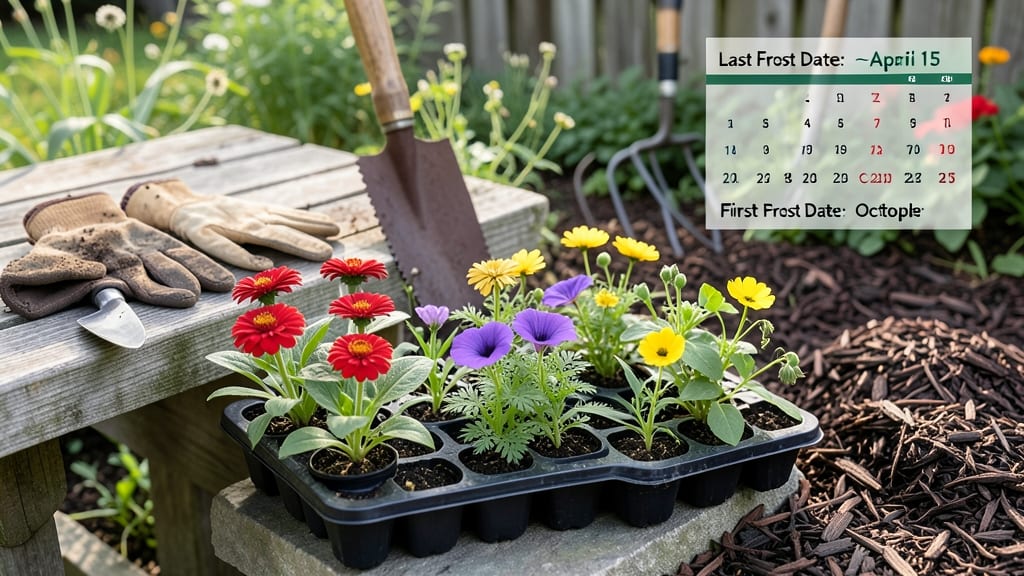
Timing your annuals planting in Virginia isn’t just about following a calendar—it’s about outsmarting frost, heat waves, and microclimates that can make or break your garden.
Whether you're growing 🌸 petunias in Richmond’s urban heat or cosmos in the cooler Shenandoah Valley, planting too early risks frost damage, while waiting too long means stunted growth from summer’s intensity.
With Virginia’s USDA Zones 6a-8a offering everything from 165 to 220 frost-free days, the key is knowing your exact last frost date—typically between March 15 and April 15—and adjusting for your local conditions.
Coastal areas like Norfolk may have earlier planting windows, while mountain regions like Roanoke need a later start to avoid late spring chills.
In this guide, I’ll break down the perfect planting windows for both spring and fall, including how to prep your soil and choose the right annuals for your zone.
You’ll learn which varieties thrive in Virginia’s heat, how to extend your growing season, and when to start seeds indoors for maximum success.
Skip the guesswork and get the zone-specific deadlines you need to turn your Virginia garden into a year-round blooming paradise—no frost bites or wilted dreams allowed.
Virginia’s annual planting deadlines by zone (5B-7B): exact dates for success
Timing is everything when planting annuals in Virginia, where USDA Zones 5B-7B create wildly different growing conditions. In Zone 5B (northern mountains), last frosts hit April 15-30, while Zone 7B (coastal plains) sees frost-free windows until mid-November.
These deadlines separate success from disappointment—miss them, and you’ll battle stunted growth or frost damage.
Cool-season annuals like lettuce and pansies thrive when soil hits 40-50°F, while warm-season favorites such as tomatoes and marigolds need 60°F+ soil. Use these zone-specific windows to align your planting with Virginia’s 165-220 frost-free days, ensuring vibrant blooms and bountiful harvests.
🌱
| Zone | Last Frost (Spring) | First Frost (Fall) | Cool-Season Planting | Warm-Season Planting |
|---|---|---|---|---|
| 5B | April 15-30 | October 15-30 | March 1 - April 15 | May 1 - June 15 |
| 6A | April 1-15 | October 30 - Nov 10 | March 15 - April 30 | April 15 - June 1 |
| 7A | March 15 - April 1 | November 1-15 | March 1 - May 1 | April 1 - June 15 |
| 7B | March 1 - March 15 | November 15 - Dec 1 | February 15 - May 15 | March 1 - June 30 |
🌡️ Pro Tip: Check soil temps with a soil thermometer—warm-season plants need 60°F+ for germination.
For Zone 5B gardeners, start cool-season crops like kale or spinach in early March under row covers. In Zone 7B, you can stretch your season by planting fall broccoli as late as September 15—just cover seedlings if first frost looms.
Warm-season annuals demand patience. In Zone 6A, wait until May 1 to plant peppers and okra, while Zone 7B allows March 15 starts. Use black plastic mulch to warm soil faster in cooler zones, accelerating growth by 2-3 weeks.
🌿
Don’t overlook fall planting—it’s your secret weapon for Zone 7B. Sow cosmos and zinnias in late August for September-November blooms. In Zone 5B, aim for August 1-15 to avoid early frosts.
Extend your season by choosing heat-tolerant varieties like sunflowers or marigolds, which handle 90°F+ better than delicate petunias.
Use these deadlines as your gardening GPS. Miss them, and you’ll face leggy seedlings (from late starts) or bolting greens (from early warmth). Stick to the schedule, and your annuals will reward you with nonstop color and harvests all season.
☀️
How to adjust planting times for Virginia’s microclimates: urban vs. rural vs. coastal
Virginia’s microclimates can shift planting windows by weeks—even within 50 miles. Urban areas like Richmond and Norfolk trap heat, delaying spring starts by 2–3 weeks compared to rural zones.
Meanwhile, coastal regions enjoy earlier springs (plant 2 weeks sooner than inland areas), while mountain foothills face late frosts until May 1.
To nail your timing, check soil temperatures—most annuals need 60°F+ for spring planting. Use a soil thermometer ($10 at garden centers) to confirm readiness. For high-risk zones (like Zone 5B), start cool-season annuals indoors 6–8 weeks before your last frost date.
🌱Pro Tip: Coastal gardeners can extend fall planting into late September thanks to milder winters, while inland areas should finish by September 15 to avoid frost damage.
🌡️ Virginia Microclimate Adjustments
| Microclimate | Spring Planting Shift | Fall Planting Shift | Soil Prep Tip |
|---|---|---|---|
| Urban (Richmond, Norfolk) | Delay by 2–3 weeks | Extend to Sept 15 | Add mulch to cool roots |
| Coastal (Virginia Beach) | Start 2 weeks earlier | Extend to Sept 30 | Drainage check—sandy soil |
| Mountain (Roanoke) | Wait until May 1 | Finish by Sept 1 | Cold frames for early starts |
| Rural (Piedmont) | Follow zone averages | Finish by Sept 15 | Test pH (6.0–7.0 ideal) |
For urban gardens, prioritize heat-tolerant annuals like lantana or portulaca, which thrive in pavement-heated soil. In coastal areas, watch for humidity stress—space plants 12–18 inches apart for airflow. Mountain gardeners should use row covers for late springs to protect cool-season crops like lettuce.
💧Watering Hack: Urban areas need daily watering in summer; rural zones can stretch to every other day once established. Always water at the base to avoid fungal issues from overhead sprinklers.
Need a quick fix? Use Virginia Cooperative Extension’s frost maps (free online) to pinpoint your exact zone. For example, Zone 6B gardeners in Charlottesville can plant marigolds by April 15, while Zone 7B in Williamsburg can start two weeks earlier.