
Plants
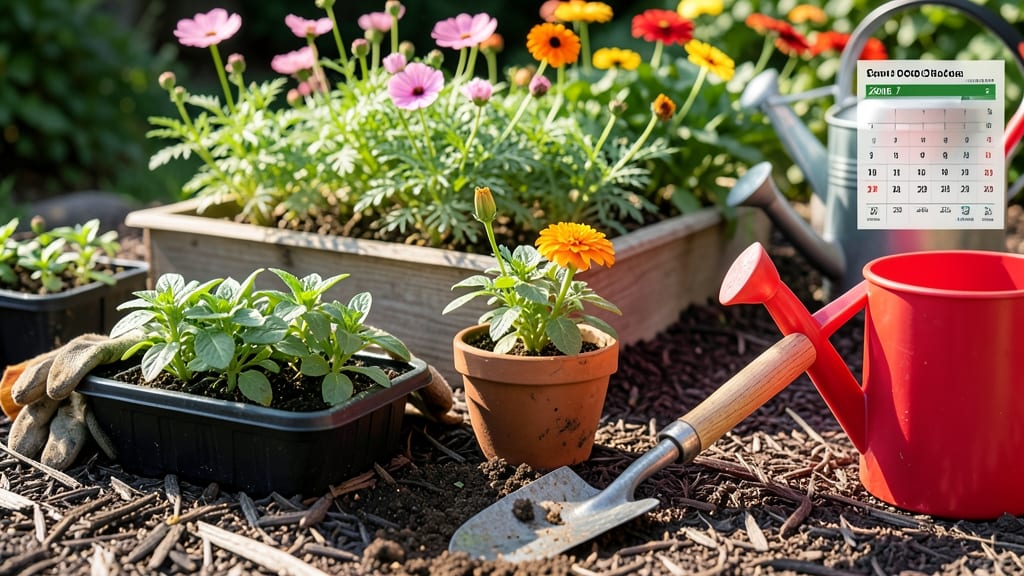
When to plant annuals in Zone 7 can transform your garden from a fragile experiment into a lush, year-round display of color and life. If you've ever watched frost nip your seedlings or summer heat wilt your plants before they even thrive, you know how critical the right planting window truly is.
The secret lies in understanding your local frost dates and matching them with the perfect spring and fall planting windows—typically between March and May for cool-season annuals and August to September for heat-loving varieties.
Zone 7 gardeners have a unique advantage with its 180 frost-free days, but even here, a few weeks can make or break your garden's success.
In this guide, I'll walk you through the exact frost-free calendar you need to plant annuals with confidence. Whether you're dreaming of marigolds that repel pests or petunias that spill over containers, you'll discover how to time your plantings for maximum growth and continuous blooms throughout the season.
From soil warming tricks to succession planting strategies, you'll learn how to stretch your growing season and keep your garden looking its best—no matter what Mother Nature throws your way.
Zone 7 frost dates and ideal planting windows for annuals
Understanding Zone 7 frost dates is the first step to planting annuals successfully. In this zone, the last frost date typically falls around April 15, while the first frost usually arrives on October 15.
These dates create a 180-day growing season—your golden window for planting annuals. However, regional variations exist, especially between the Piedmont and Coastal areas, where microclimates can shift planting windows by 1-2 weeks.
For cool-season annuals, like lettuce or pansies, I recommend planting 4-6 weeks before the last frost. This means starting seeds or transplanting in March for early blooms.
Meanwhile, warm-season annuals, such as tomatoes or marigolds, need to wait until the soil warms to at least 60°F, usually by mid-April to early May. Timing these plantings correctly ensures your annuals thrive without frost damage or bolting.
Here’s a quick reference for your Zone 7 planting calendar:
| Season | Planting Window | Ideal Plants | Soil Temp |
|---|---|---|---|
| Early Spring | March | Pansies, Snapdragons, Lettuce | 45-55°F |
| Late Spring | April-May | Marigolds, Petunias, Tomatoes | 60°F+ |
| Summer | June-July | Zinnias, Sunflowers, Basil | 70°F+ |
| Fall | August-September | Cosmos, Kale, Radishes | 55-65°F |
If you’re in a Coastal Zone 7 area, like Virginia Beach, you might experience milder winters, allowing for earlier plantings of cool-season crops. Conversely, Piedmont regions, such as Raleigh, may have later last frosts, so hold off until mid-April for warm-season plants.
Always check your local Almanac’s frost chart for precise dates tailored to your specific location.
For container gardening, timing is equally critical. Warm-season annuals in pots can be planted 2 weeks earlier than in-ground plants because containers warm up faster. However, ensure your containers have drainage holes to prevent root rot from excess moisture.
I’ve found that black plastic pots absorb heat better, giving a slight edge in cooler springs.
Succession planting is another key strategy for maximizing your Zone 7 annuals. By staggering plantings every 2-3 weeks from April to July, you can enjoy continuous blooms or harvests.
For example, plant bush beans in early April, then again in late May and early July. This approach ensures your garden stays productive and vibrant all season long.
Don’t overlook fall planting either! Many annuals, like cosmos and kale, thrive when planted in August or early September. These late-season plantings take advantage of cooler temperatures and provide stunning color well into October.
Just be sure to choose varieties with short maturity dates to avoid frost damage.
Finally, always monitor your soil temperature with a soil thermometer. Warm-season annuals won’t germinate in cold soil, no matter how eager you are to plant. Aim for 60°F or warmer before sowing seeds like tomatoes or peppers.
Cool-season plants, on the other hand, prefer soil temps below 65°F, making early spring or fall the ideal times for them.
With these Zone 7 planting windows in mind, you’re well on your way to a garden bursting with color and productivity. Next, we’ll dive into the best annual flowers and vegetables for your Zone 7 garden, including heat-tolerant picks and cold-hardy champions.
Best annual flowers and vegetables for Zone 7 planting success
Choosing the right annuals for your Zone 7 garden means selecting varieties that thrive in your 180-day frost-free season. Start with cool-season plants like pansies and lettuce—they handle early spring and fall temperatures down to 25°F.
These tough beauties bloom from March to May or August to October, giving you color before and after summer’s heat. 🌸
For summer’s peak heat (June–August), opt for heat-tolerant annuals like marigolds, zinnias, and sweet potatoes. These thrive in 75–90°F soil and 6+ hours of sun, delivering bold blooms or edible harvests when other plants wilt.
My go-to is celosia—it’s drought-resistant and bursts with fiery colors when most annuals struggle. 🔥
🌱 Top 5 Heat-Tolerant Annuals
- Marigolds: 65–90°F, repels pests, blooms June–Oct.
- Zinnias: 60–85°F, attracts butterflies, 30–90 days to bloom.
- Lantana: 70–100°F, drought-proof, year-round in Zone 7.
- Okra: 80–95°F, edible pods, 50–60 days to harvest.
- Portulaca: 75–105°F, thrives in poor soil, succulent leaves.
Don’t overlook succession planting—it’s the secret to nonstop blooms. Start with fast-growing annuals like bush beans or radishes every 2–3 weeks from April to July. This keeps your garden productive without gaps. I’ve seen nasturtiums self-seed reliably, giving me new plants for years with zero effort. 🌱
For fall gardens, prioritize cold-hardy annuals like kale, pansies, and stock. These handle 40–50°F nights and often rebloom after light frosts. My favorite trick? Plant calendula in August—it tolerates light frost and adds golden cheer to autumn borders. 🌼
Container gardeners in Zone 7 have extra flexibility. Petunias and geraniums thrive in pots, letting you move them to shade during summer’s hottest weeks. Just ensure containers have drainage holes and use lightweight potting mix to prevent overheating.
I’ve grown thyme in window boxes all year—it’s perennial in Zone 7 but treated as an annual for easy replacement. ✂️
Pro tip: Check seed packets for “days to maturity” and plan backward from your first frost date (usually October 15). For example, if zinnias take 60 days to bloom, start seeds by August 15 for a fall show.
This simple math saves you from wasted effort on late-season plantings. 📅