
Trees
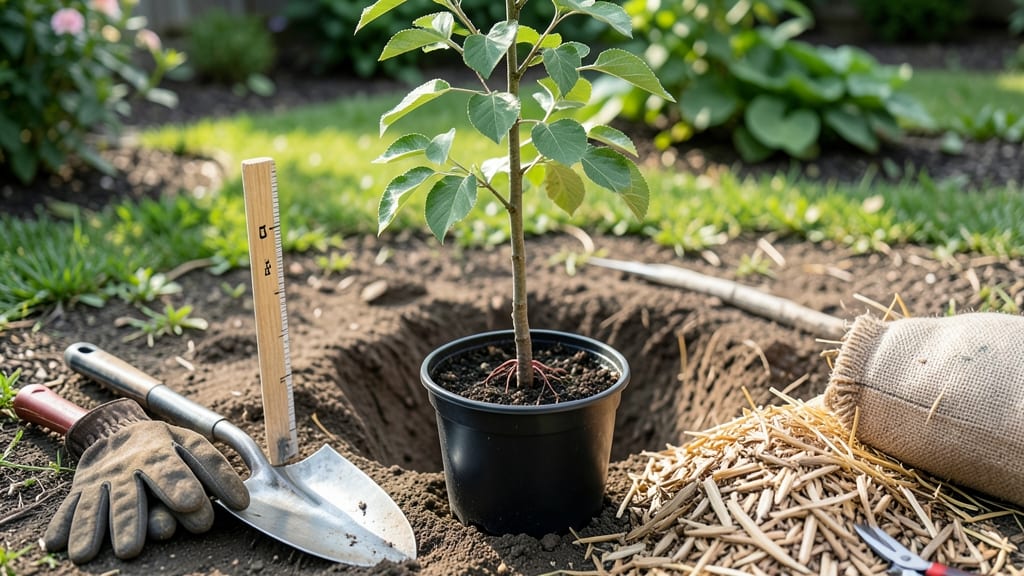
Planting an 🍎 Apple Tree in Illinois isn’t just about grabbing a sapling and digging a hole—it’s about timing it right to give your tree the best shot at thriving in zones 5-6.
The wrong window could mean stunted growth or even frost damage, especially when those late spring freezes roll in around April 15.
If you’re dreaming of a backyard orchard, you’ll want to know the two ideal windows that work best for Illinois: late winter to early spring (February-April) or fall (September-October).
But here’s the catch—your choice depends on whether you’re planting bare-root trees or container-grown ones, and which apple varieties suit your chill-hour needs.
I’ve dug into the data (and a few failed experiments of my own) to break down exactly when to plant for maximum success, plus the top varieties that handle Illinois winters like a pro.
Whether you’re in Chicago or down in Springfield, these tips will help you avoid common mistakes and set your tree up for years of harvests.
Ready to get started? Let’s cut through the guesswork and plant your 🍎 Apple Tree at the perfect time—so you can enjoy fresh fruit by August-October and beyond.
Best planting months for Illinois apple trees by chill-hour Zone
Planting apple trees in Illinois requires careful timing to align with the state's USDA Zones 5-6 and chill-hour requirements.
The best windows are late winter to early spring (February-April) or fall (September-October), but your exact timing depends on whether you're in northern Illinois (Zone 5) or central/southern Illinois (Zone 6).
Zone 5 (northern IL) has higher frost risk and shorter growing seasons, so planting in early spring (March-April) gives young trees time to establish roots before summer heat.
Zone 6 (central/southern IL) can handle fall planting (September-October) with less frost risk, but avoid planting after mid-October when winter dormancy begins.
Both zones must account for chill hours—the number of hours below 45°F (7°C) needed for fruit production. Most Illinois-adapted varieties require 600-1,000 chill hours, so choosing the wrong variety can lead to poor fruit set or no fruit at all.
🌱
For Zone 5 gardeners, focus on early spring planting (March-April) when soil temperatures rise above 40°F (4°C). This gives roots time to establish before summer heat. In Zone 6, fall planting is ideal because the soil stays workable longer, and trees benefit from winter moisture.
Always check the last frost date for your specific county—northern Illinois can see frosts as late as May 15, while southern Illinois typically warms up by April 15. Use the University of Illinois Extension's frost map for precise local data.
When planting, choose bare-root trees in early spring or container-grown trees in fall. Bare-root trees are cheaper and establish faster, but container-grown trees have an established root system, which is better for fall planting in Zone 6.
🌿
Prepare your planting site 4-6 weeks before the ideal window. Test soil pH (6.0-6.5) and amend with compost or lime if needed. In Zone 5, add 3-4 inches of mulch after planting to protect roots from late frosts.
In Zone 6, mulch helps retain fall moisture for root growth.
Timing isn’t just about the month—it’s about soil temperature, chill hours, and frost risk. For example, planting a Honeycrisp (800 chill hours) in Zone 5 is risky because it may not get enough cold exposure. Instead, opt for Jonathan or Cortland, which thrive with 900+ chill hours.
🪴
Best planting months for Illinois apple trees by chill-hour Zone
Illinois spans USDA Zones 5-6, where the difference between north and south can mean the difference between a thriving orchard and a frost-killed sapling.
The last frost date hovers around April 15, but your chill-hour needs (the number of hours below 45°F a tree needs to fruit) dictate whether you plant in late winter/early spring or fall.
For Zone 5 (northern IL), where winters are colder, focus on bare-root trees planted February-April or container-grown trees in September-October. In Zone 6 (central/southern IL), you’ve got a slightly longer window—March-April for bare-root or August-November for container-grown—thanks to milder winters and later frosts.
Here’s the key: Bare-root trees (dormant, no leaves) must be planted while still dormant—before bud break—to avoid stress. Container-grown trees are more flexible but need 6-8 weeks to establish roots before winter hits, making fall the safer bet for them.
| Zone & Location | Best Planting Window | Tree Type | Soil Prep Timing | Frost Risk |
|---|---|---|---|---|
| Zone 5 (Chicago, DeKalb) | Feb 15 - Apr 15 | Bare-root | Oct-Nov (6 months ahead) | High (late frost risk) |
| Zone 5 (Northern IL) | Sep 1 - Oct 15 | Container-grown | Apr-May (spring) | Medium (early frost risk) |
| Zone 6 (Springfield, Peoria) | Mar 1 - Apr 30 | Bare-root | Sep-Oct (5 months ahead) | Low (milder winters) |
| Zone 6 (Southern IL) | Aug 15 - Nov 1 | Container-grown | Mar-Apr (spring) | Very Low |
⚠️ Pro Tip: Test your soil’s pH (6.0-6.5) and amend with lime or sulfur 6 months before planting for best results.
Soil prep is just as critical as timing. Illinois’ clay-heavy soils in northern zones (like Zone 5) need organic matter (compost or aged manure) mixed in 12-18 inches deep.
Southern Zone 6 areas with sandy soils benefit from well-rotted compost to retain moisture. Avoid planting in low spots where cold air pools—apple trees hate soggy roots.
One last tip: If you’re planting in fall (September-October), water deeply 2-3 times per week until the ground freezes to help roots establish. For spring plantings (February-April), mulch heavily with wood chips to protect roots from temperature swings as buds swell.
Now that you’ve got the timing down, your next move is choosing the right 🍎 apple varieties for your zone—because not all trees handle Illinois’ 500-1,000 chill hours equally. Let’s dive into the top picks that thrive here.