
Trees
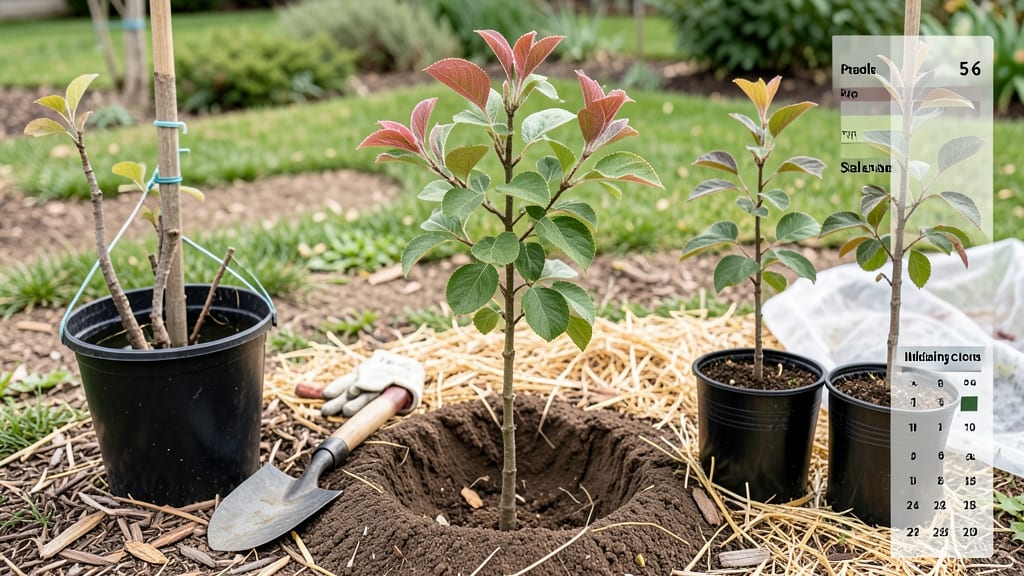
Planting fruit trees in Illinois at the wrong time can mean wasted effort—or even death for your young saplings. But timing isn’t just about seasons; it’s about matching varieties to Illinois’ unique chill-hour zones for maximum yield.
If you’ve ever wondered why some fruit trees thrive while others struggle, the answer lies in chill-hour requirements—a critical factor for Illinois growers. Whether you’re planting apples in Zone 5 or peaches in Zone 6, getting the timing right ensures stronger roots and bigger harvests.
Let me show you exactly when to plant for success.
The best time to plant fruit trees in Illinois depends on the variety and your local climate. Spring planting offers warmer soil, while fall gives trees time to establish roots before winter.
I’ll break down the ideal windows for high-chill apples and cherries versus low-chill figs and pears, so you can pick the perfect moment for your garden.
From bare-root saplings to container-grown trees, I’ll cover everything you need to know—including soil prep, frost risks, and how to align with local nurseries. Ready to grow fruit trees that flourish? Let’s get started.
Best planting months for Illinois fruit trees by chill-hour requirements
Illinois' climate varies dramatically from its northern USDA Zone 4 (Chicago area) to southern Zone 6 (St. Louis region), making chill-hour requirements the most critical factor for fruit tree success. Chill hours—the number of hours below 45°F a tree needs to flower—dictate which varieties will thrive where.
For example, apples and cherries need 800-1,200 chill hours, while peaches and plums typically require 400-600 hours. Planting at the wrong time can lead to poor fruit set or even tree death.
Most Illinois gardeners plant fruit trees in either late fall (October-November) or early spring (March-April), but the best choice depends on your tree type and local frost patterns. Bare-root trees (most common) should be planted while dormant, while container-grown trees offer more flexibility.
Southern Illinois' milder winters allow later fall planting, while northern areas demand earlier spring starts to avoid late frosts. Always check your last frost date—Chicago's average is April 15, while St. Louis' is March 25.
🌱 Did You Know?
| Region | Chill Hours | Best Planting Window | Top Varieties |
|---|---|---|---|
| Northern IL (Zone 4-5) | 800-1,200 hrs | March 15-April 15 | Honeycrisp, MacIntosh, Montmorency |
| Central IL (Zone 5-6) | 600-900 hrs | March 1-April 30 | Stanley Peach, Red Haven Peach |
| Southern IL (Zone 6-7) | 400-700 hrs | October 15-November 15 | Elberta Peach, Black Diamond Fig |
For high-chill varieties like apples and cherries, spring planting is ideal because it gives roots time to establish before summer heat. I always plant my Honeycrisp apple trees in late March in northern Illinois, ensuring they have 6-8 weeks of root growth before the first hot spell.
In contrast, low-chill varieties such as figs and loquats can handle fall planting in southern Illinois, where winters are milder. These trees benefit from summer dormancy before their first winter.
Soil temperature is just as important as air temperature. For spring planting, wait until the soil reaches 45°F—use a soil thermometer to check. In fall, plant when soil temperatures drop below 60°F but before ground freezing.
I test my soil in early October each year; if it's still above 60°F, I delay planting to avoid root rot from warm soil. Container-grown trees can be planted slightly later in fall since their roots are already established.
Northern Illinois gardeners should prioritize early spring planting to avoid late frosts that can damage new growth. The average last frost date in Chicago is April 15, but microclimates near Lake Michigan can delay frost until May 1.
I've learned this the hard way—planting peach trees in mid-April once resulted in frost damage to new shoots. For southern Illinois, fall planting is safer, but avoid planting after November 15 to allow roots to establish before winter.
Another critical factor is tree dormancy. Most fruit trees enter dormancy in fall and should be planted while dormant. If you miss the fall window, wait until spring—but never plant during active growth periods.
I once tried planting a plum tree in June, and it struggled for two years to recover. The tree's energy was focused on foliage growth rather than root establishment. Always check your tree's dormancy status before planting.
Local nurseries often provide region-specific planting guides. For example, Richardson's Nursery in Springfield recommends March-April for most varieties, while Chicago Botanic Garden suggests late April due to later frost dates.
Call your local nursery—they know which varieties perform best in your microclimate. I always ask about pollination partners too; some apple varieties need a second tree for cross-pollination.
Timing also affects fruit production timing
Best planting months for Illinois fruit trees by chill-hour requirements
Timing your fruit tree planting to Illinois’ chill-hour zones is the key to success. The state spans USDA Zones 5-6, but within those zones, chill-hour requirements vary dramatically—from 800+ hours for apples to 300-500 hours for peaches.
Planting at the wrong time can stunt growth or trigger winter dieback, so let’s match varieties to their ideal windows.
Spring planting (late March to early May) gives trees time to establish roots before summer heat, while fall planting (October to early November) allows roots to grow before winter dormancy.
For high-chill varieties like apples and cherries, fall planting is ideal—just avoid planting too late when soil temperatures drop below 40°F. Low-chill varieties like figs and pears can handle spring planting with minimal risk.
Here’s how Illinois’ chill-hour zones break down by fruit type and planting window:
| Fruit Type | Chill-Hour Range | Best Planting Window | Soil Temp Requirement |
|---|---|---|---|
| Apples & Cherries | 800-1,000+ hrs | Late October–November | 45–60°F |
| Peaches & Plums | 500–800 hrs | April–early May | 50–65°F |
| Pears & Figs | 300–500 hrs | March–April | 40–55°F |
Northern Illinois (Zones 5a-5b) has longer winters, so prioritize fall planting for high-chill trees. Southern Illinois (Zones 6a-6b) can extend spring planting into early May without frost risk. Always check your last frost date—Chicago averages April 15, while St. Louis sees it around April 5.
Bare-root trees thrive when planted in dormant season (fall), while container-grown trees can handle spring planting. For container trees, avoid planting when soil temps exceed 70°F, as roots can scorch. Mulch heavily after planting to retain moisture and protect roots from temperature swings.
Pro tip: If you miss fall planting, wait until soil warms to 50°F in spring—usually mid-April in most of Illinois. Just be prepared to water deeply during dry spells, as newly planted trees need consistent moisture to avoid transplant shock.