
Trees
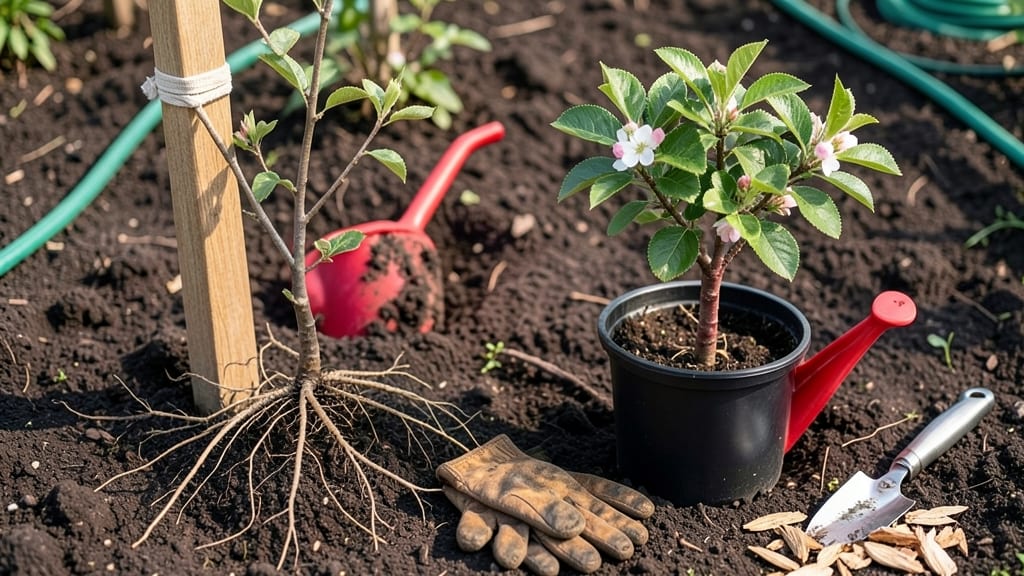
Timing your 🍎 apple tree planting in Oregon isn't just about following a calendar—it's about mastering the delicate balance between coastal fog and inland heat. Get it wrong, and your sapling could face frost damage or stunted growth before it even takes root.
Whether you're in Portland's mild maritime climate or Medford's hotter inland valleys, the right window makes all the difference. Plant too early, and you risk exposing young roots to unexpected freezes. Too late, and your tree might struggle to establish before summer heat sets in.
I've helped gardeners in both zones navigate these challenges, and the secrets lie in understanding your microclimate's last frost dates and soil conditions.
Let me walk you through the exact planting deadlines that work for your specific corner of Oregon—because one size definitely doesn't fit all when it comes to apple tree success.
From choosing between bare-root and container-grown trees to selecting varieties that thrive in your zone, we'll cover everything you need to know. Ready to give your orchard the best possible start? Let's dive into the timing that could mean the difference between a thriving tree and a disappointing failure.
Oregon’s coastal vs inland planting deadlines for apple trees
Oregon’s diverse climate creates two distinct worlds for apple tree planting: the coastal regions with mild winters and the inland areas with colder snaps. Getting your timing wrong can mean root shock or stunted growth—especially when frost dates shift dramatically between Astoria and Bend.
Let’s break down the optimal planting windows for each zone so your apple trees thrive from day one.
For coastal Oregon (USDA Zones 7b–8a), the best time to plant apple trees is between November and March. The milder winters mean bare-root trees can establish roots before spring growth begins, while container-grown trees can handle cooler soils.
In contrast, inland Oregon (Zones 6a–7b) demands a tighter window of March to early April, when soil temperatures rise above 40°F and frost risks recede.
🌱 Why the difference? Coastal areas have fewer frost-free days (around 200 days) compared to inland zones (240+ days). Planting too early inland risks frost damage to tender roots, while coastal planting extends into winter to avoid summer heat stress during establishment.
In coastal areas, I recommend planting ‘Granny Smith’ or ‘Fuji’ varieties in December or January—these handle the damp, cool soils better than heat-sensitive types. For inland zones, prioritize ‘Honeycrisp’ or ‘Gala’ in late March to align with soil warming and pollinator activity.
Pro tip: Check your local frost dates using the Oregon State University Extension maps. For example, Portland’s average last frost is April 15, while Bend’s is May 1. Planting 4–6 weeks before these dates gives roots time to establish before active growth begins.
Soil preparation is just as critical as timing. Coastal soils often need amendments for drainage, while inland soils may require organic matter to retain moisture.
Aim for a pH of 6.0–6.5—Oregon’s volcanic soils can be too acidic without lime adjustments. Test your soil 6 weeks before planting to avoid delays.
If you’re planting bare-root trees, do it during their dormant season (winter for coastal, early spring for inland). Soak roots in water for 1–2 hours before planting to revive them. For container-grown trees, plant anytime soil isn’t frozen, but water thoroughly to reduce transplant shock.
Remember: Container-grown trees can handle cooler soils better than bare-root, making them ideal for late-winter coastal plantings. Meanwhile, bare-root trees are cheaper and better suited for inland spring plantings where soil warms faster.
For urban gardeners in Portland or Salem, consider dwarf varieties on M.9 rootstock—they establish faster and fit smaller yards. In rural areas near La Grande or Pendleton, standard-sized trees on MM.106 rootstock handle colder winters better. Always match your rootstock to your climate zone.
Finally, mulch heavily (3–4 inches) after planting to retain moisture and regulate soil temperature. Use wood chips or straw, keeping mulch 6 inches away from the trunk to prevent rot. Water deeply once a week for the first month to encourage root expansion.
Oregon’s coastal vs inland planting deadlines for apple trees
Oregon’s diverse climate creates two distinct planting windows for apple trees. Coastal areas like Astoria and Seaside benefit from milder winters, allowing planting from November through March. Inland regions like Bend and Medford should wait until March through April to avoid late frosts.
The key difference lies in last frost dates. Coastal zones typically see their final frost around March 15, while inland areas can experience frost until April 30. Planting too early in inland areas risks exposing tender roots to unexpected freezes.
For bare-root trees, the ideal window is dormant season—when trees aren’t actively growing. Container-grown trees offer more flexibility but still require attention to soil temperatures, which should be above 40°F (4°C).
Here’s how your specific region compares:
| Region | Best Planting Window | Last Frost Date | Soil Prep Tip |
|---|---|---|---|
| Coastal (e.g., Portland, Astoria) | November–March | Mid-March | Amend with compost to improve drainage |
| Willamette Valley (e.g., Eugene) | February–April | Early April | Test soil pH (6.0–6.5) |
| Inland (e.g., Bend, Medford) | March–April | Late April | Use mulch to retain moisture |
In Portland’s USDA Zone 8, I recommend planting in February or early March to give roots time to establish before summer heat. For Medford’s Zone 7b, wait until late March to avoid late frosts that can damage young trees.
One common mistake is assuming all of Oregon shares the same timeline. Coastal areas experience slower soil warming, while inland zones dry out faster. Adjust your watering schedule accordingly—coastal trees may need less frequent watering due to higher humidity.
Pro tip: Use a soil thermometer to confirm ground temperatures are above 45°F (7°C)** before planting. This ensures roots won’t suffer from cold stress, especially in early spring.