
Plants
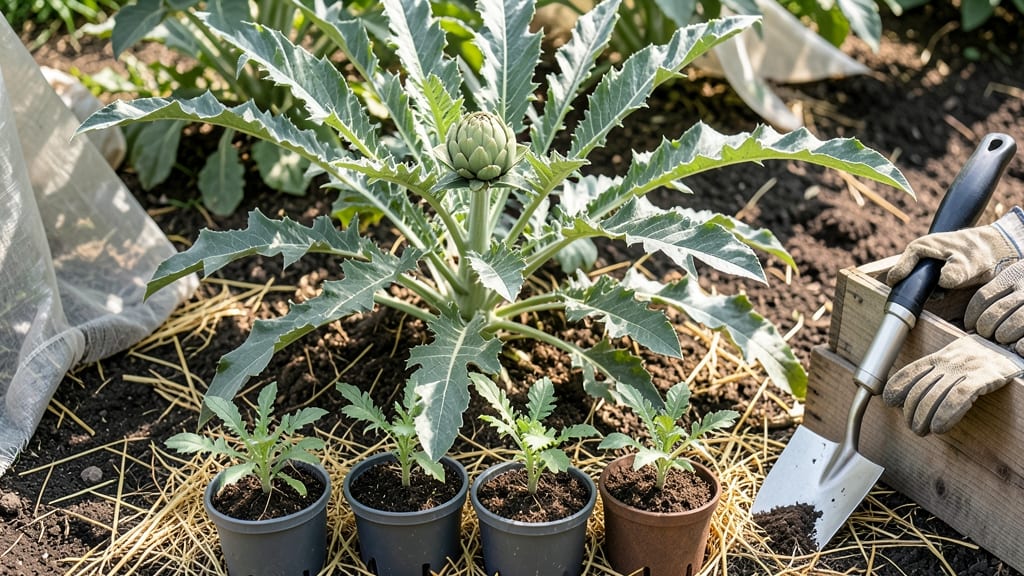
Planting artichokes in Arizona isn’t just about timing—it’s about outsmarting the desert’s heat and short growing season. With the right window, you can turn your backyard into a thriving artichoke patch, even in USDA Zone 9b, where winters are mild but summers are brutal.
The key? Start between October and March, when cooler temperatures give young plants the best chance to establish roots before the sun intensifies.
Most gardeners in Arizona make one big mistake: waiting too long to plant. By the time spring rolls around, the heat can stress artichokes before they even produce buds. But if you plant early, you’ll avoid that pitfall and set yourself up for a harvest from February to May.
Whether you’re in the low desert or high elevations, the principles are the same—just adjust for your microclimate’s unique quirks.
I’ve grown artichokes in Arizona for years, and the difference between a successful crop and a failed one often comes down to soil prep and watering. You’ll need well-draining soil with plenty of organic matter to keep roots happy, and a watering schedule that balances moisture without drowning the plants.
Let me walk you through the exact steps to make your artichokes thrive in the desert.
Ready to skip the guesswork? In this guide, I’ll break down the best planting months, soil adjustments for Arizona’s alkaline dirt, and how to protect your plants from heat stress. By the end, you’ll know exactly when to plant for a bumper crop—no trial and error required.
Optimal planting windows for Arizona artichokes: avoiding heat stress
Arizona’s desert climate creates unique challenges for growing artichokes. Unlike cooler regions, timing is everything—plant too early, and you risk frost damage; too late, and the 100°F+ summers will stress your plants. The key is planting during cool-season windows when soil temperatures stay below 75°F.
Artichokes thrive in USDA Zone 9b, but Arizona’s microclimates (low desert vs. high desert) demand precision. Low elevations like Phoenix have hotter winters, while Flagstaff’s high desert offers cooler nights. This means your planting window may shift by 4-6 weeks depending on elevation.
For best results, focus on two planting periods: fall/winter (October–March) and early spring (February–April). Fall planting gives plants time to establish roots before summer heat arrives, while spring planting risks heat stress if done too late.
Here’s how to align your planting with Arizona’s climate:
Avoid planting in Arizona’s summer months (May–September). Soil temperatures often exceed 85°F, causing root burn and stunted growth. Even transplants struggle unless you use shade cloth or plant in containers with afternoon shade.
For container growing, start seeds indoors in September and transplant in October. Containers heat up faster, so use black fabric pots to regulate temperature. Place them in elevated beds to improve drainage—a critical factor in Arizona’s alkaline soils.
Pro tip: Monitor soil temperature with a soil thermometer. Artichokes prefer 55–70°F for root development. If temps rise above 75°F, delay planting or use row covers to protect young plants.
Timing isn’t just about months—it’s about microclimates. A south-facing wall in Phoenix can be 10°F warmer than open ground. Use this to your advantage by planting near shade structures or trees to extend your growing season.
Remember: Artichokes take 120–150 days to mature. Planting in late March in the low desert risks harvests during peak summer heat, which reduces quality. Stick to fall/winter planting for the best flavor and yield.
✅ Key takeaway: In Arizona, October–November is your sweet spot for artichokes—cool enough for growth, warm enough to avoid frost. Adjust for elevation, and always prioritize soil temperature over calendar dates.
Optimal planting windows for Arizona artichokes: avoiding heat stress
Arizona’s USDA Zone 9b climate creates a narrow window for planting artichokes—just 6 months where soil temperatures stay cool enough for germination and growth. The best time to plant is between mid-October and early March, when daytime highs remain below 75°F and nighttime lows dip into the 40s-50s.
This aligns with Arizona’s natural growing season, avoiding the brutal summer heat that can kill young plants within days.
Most gardeners in Arizona focus on two planting periods: fall (October-November) and early spring (February-March). Fall planting gives plants a head start, allowing them to establish roots before winter’s mild chill. Early spring planting, on the other hand, capitalizes on the cooler months before temperatures spike in April.
Both strategies work, but timing depends on your microclimate—low desert areas like Phoenix heat up faster than high desert regions like Flagstaff.
Here’s the critical rule: Never plant artichokes after March 15 in low desert zones. By April, soil temperatures often exceed 80°F, causing seeds to rot or seedlings to bolt prematurely. Even in cooler high desert areas, planting after April risks heat stress, stunted growth, and poor bud formation.
The key is to match your planting date with soil temperatures of 60-70°F—ideal for germination and early growth.
🌱 Arizona Artichoke Planting Comparison
| Planting Window | Best For | Soil Temp Requirement | Harvest Window | Heat Risk |
|---|---|---|---|---|
| October–November (Fall) | Low desert, fast growth | 60–70°F | February–April | Low (cooler nights) |
| February–March (Early Spring) | High desert, slower start | 55–65°F | March–May | Moderate (warmer days) |
| April+ (Risky) | Not recommended | >75°F | Poor yield | High (bolting, stress) |
For gardeners in low desert areas (e.g., Phoenix, Tucson), aim to plant by November 1 to ensure buds form before temperatures climb. In high desert regions (e.g., Sedona, Prescott), you can extend planting slightly later—up to March 15—thanks to cooler nights.
The difference in elevation can mean 10-15°F cooler soil temperatures, giving you extra flexibility.
Pro tip: Use a soil thermometer to check temperatures before planting. If your soil is above 70°F, wait a week or two—artichoke seeds need consistent coolness to sprout reliably.
I’ve seen seeds planted in 80°F+ soil fail to germinate, even with daily watering. Patience here pays off with stronger, healthier plants ready for harvest.
Once you’ve nailed the planting window, the next critical step is soil prep—especially in Arizona’s alkaline, clay-heavy soils. Without proper amendments, your artichokes will struggle to absorb nutrients, even with perfect timing.
In the next section, I’ll walk you through the exact soil adjustments to set your plants up for success from day one.