
Plants
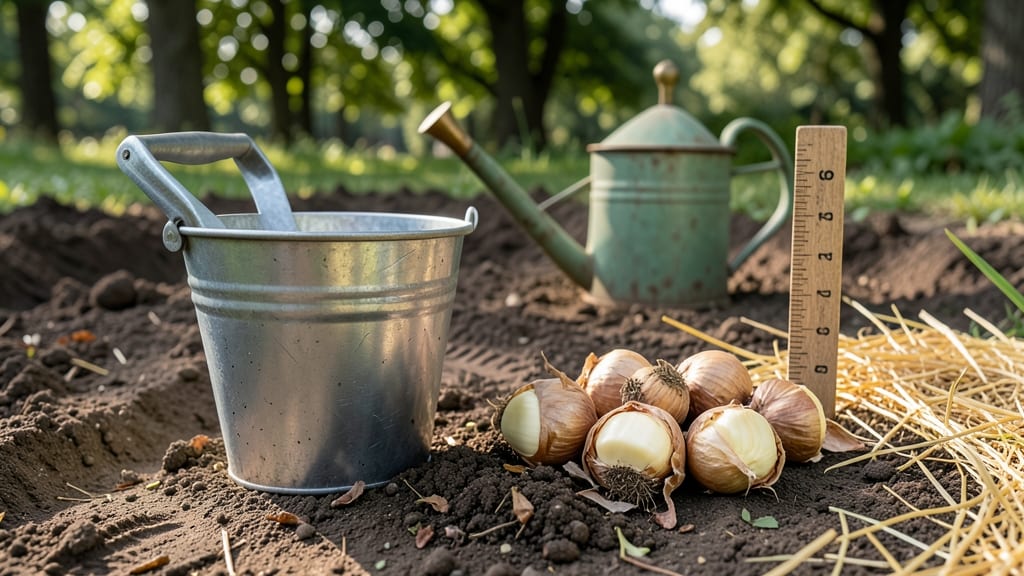
When to plant Asiatic Lily bulbs in spring means the difference between bold summer blooms and a disappointing flop. Timing them just right ensures your lilies thrive, while getting it wrong can leave you with weak stems or missed blooms entirely. Plant too early, and frost will nip them in the bud; too late, and you might miss the ideal growing window. The secret lies in understanding your local climate and soil conditions—especially if you're in USDA Zone 6a or beyond.
Most gardeners wait until mid to late spring when the ground has warmed and the last frost has passed. But here's the catch: soil temperature matters more than calendar dates. Cold, damp soil can stunt root growth, leaving your lilies struggling to thrive.
I'll show you exactly how to check for readiness—plus the best months to plant based on where you live.
Once you've got the timing down, the next step is prep work. We're talking soil amendments, proper depth, and spacing that ensures each bulb has room to grow.
Skipping these details can lead to weak stems or crowded blooms. Trust me, a little effort now saves headaches later when your garden bursts into color.
Ready to transform your spring garden into a summer showstopper? Let's break down the exact steps for planting Asiatic Lily bulbs—from frost-free zone maps to post-planting care that keeps those flowers coming back year after year.
Spring planting timeline for Asiatic lilies by USDA hardiness zones
Asiatic lilies (Lilium asiatic) thrive when planted at the right time in spring, but the ideal window varies by USDA zone. In colder zones (3-5), wait until soil reaches 60°F (15°C)—typically 4-6 weeks after your last frost date.
Warmer zones (6-10) can plant as early as February or March, but avoid late frosts that can damage emerging shoots.
Southern gardeners in zones 7-10 often plant in late winter (January-February) to take advantage of early warmth. Meanwhile, Northern gardeners in zones 3-5 should aim for mid-to-late spring (May), when nighttime temperatures stay above 50°F (10°C).
The key is balancing soil warmth with frost risk—plant too early, and bulbs may rot; too late, and blooms arrive late or not at all.
Pro Tip: Use your local frost-free date as a starting point, then count backward 4-6 weeks. For example, if your last frost is April 15, plant bulbs around March 1-15. This gives roots time to establish before summer heat arrives.
Regional variations matter too. In Pacific Northwest states (WA, OR), cool, wet springs delay planting until May. Meanwhile, Southern states (TX, FL, GA) can plant as early as January—just ensure bulbs aren’t exposed to freezing temperatures afterward.
Here’s a quick rule of thumb: Plant Asiatic lilies when you can dig a 6-inch-deep hole and feel warm soil (not cold or damp). If you’re unsure, wait 2 more weeks—better late than sorry for these sun-loving bulbs.
| USDA Zone | Ideal Planting Window | Soil Temp Goal | Last Frost Date | Notes |
|---|---|---|---|---|
| Zones 3-5 | Mid-to-late spring (May) | 60°F (15°C) | April 15–May 15 | Wait for nighttime temps above 50°F (10°C). |
| Zones 6-7 | Early to mid-spring (April) | 55°F (13°C) | March 15–April 15 | Avoid late frosts; mulch after planting. |
| Zones 8-10 | Late winter (Jan–Feb) | 50°F (10°C) | January–March | Plant early to beat summer heat; protect from cold snaps. |
For container gardening, the timeline shifts slightly. Since pots warm up faster, you can plant 2-4 weeks earlier than in-ground bulbs. Just ensure containers have drainage holes—Asiatic lilies hate soggy roots.
I’ve had success planting in late March in containers even in zone 5, as long as I move them to a sheltered spot if frost threatens.
One common mistake is planting too deep or too shallow. Aim for 4-8 inches deep, with the pointy end up. In sandy soil, plant on the shallower side (4-6 inches); in heavy clay, go deeper (6-8 inches) to prevent rot.
Space bulbs 6-8 inches apart for dwarf varieties and 8-12 inches apart for standard types.
After planting, water deeply to settle the soil and encourage root growth. In dry climates, mulch with 2-3 inches of straw or shredded leaves to retain moisture. Avoid fertilizing immediately—wait until shoots emerge (about 4-6 weeks later) before applying a balanced 10-10-10 fertilizer.
Remember, Asiatic lilies are not frost-tolerant once shoots appear. If a late frost is forecast, cover young plants with frost cloth or a lightweight row cover. With the right timing, you’ll enjoy bold blooms from mid-to-late summer—worth the wait!
Spring planting timeline for Asiatic lilies by USDA hardiness zones
Asiatic lilies thrive when planted at the right time, but the perfect window shifts dramatically depending on your USDA hardiness zone. In colder zones (3-5), wait until after the last frost and when soil reaches 60°F (15°C)—typically mid to late May.
Warmer zones (6-10) can plant as early as March to early April, but avoid extreme heat that stresses bulbs.
Your local frost date is your best guide. Check the National Weather Service or plant your bulbs 4-6 weeks before the average last frost. For example, in Zone 7, this means mid-April, while Zone 4 gardeners should wait until late May.
Planting too early risks frost damage to emerging shoots.
| Zone | Ideal Planting Window | Soil Temp Requirement | Key Tip |
|---|---|---|---|
| 3-4 | Late May to early June | 60-65°F (15-18°C) | Mulch after planting to retain warmth |
| 5-6 | Mid-April to May | 55-60°F (13-15°C) | Use row covers for late frosts |
| 7-8 | March to April | 50-55°F (10-13°C) | Plant early to avoid summer heat stress |
| 9-10 | February to March | 45-50°F (7-10°C) | Water deeply after planting |
Regional variations matter too. In Southern states like Florida or Texas, plant in February to avoid summer drought. Meanwhile, Pacific Northwest gardeners in Zone 8 should wait until mid-April when chilly coastal winds subside. Always prioritize soil temperature over calendar dates—use a soil thermometer if unsure.
Pro tip: If your spring is unusually cool or wet, delay planting until soil dries out. Damp conditions can lead to rot-prone bulbs. Aim for well-draining soil with a pH between 6.0-7.0—amend heavy clay with compost or sand if needed.
This ensures your Asiatic lilies establish roots quickly for vibrant summer blooms.
Don’t forget to chill your bulbs if you’re in a warm zone. Store them in the refrigerator for 6-8 weeks before planting to mimic winter dormancy. This trick boosts bloom quality and stem strength—worth the extra step for show-stopping flowers!