
Plants
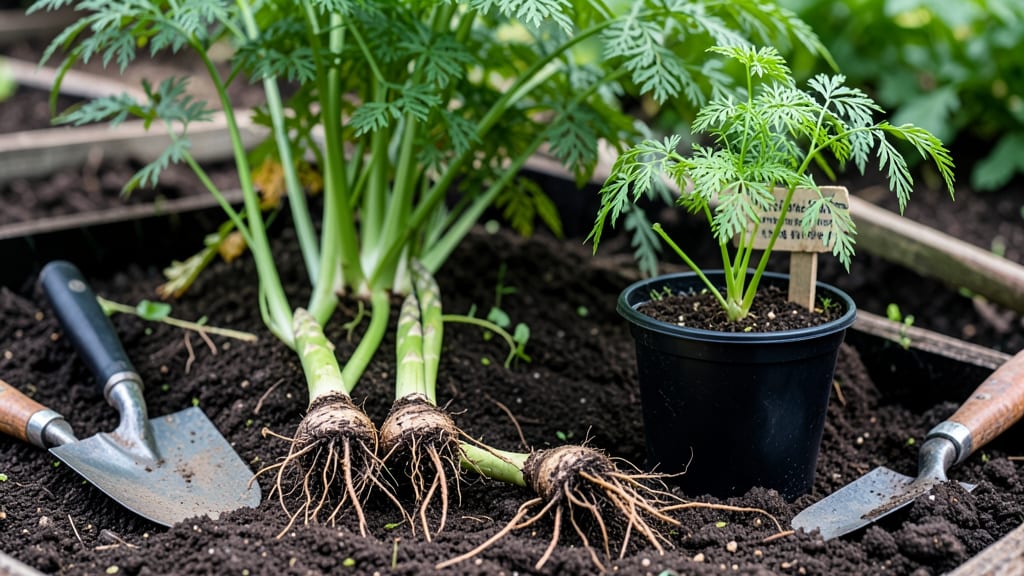
Planting asparagus in Kentucky isn’t just about timing—it’s about unlocking the secret to a decade-long harvest of tender spears. The difference between a thriving 🌱 asparagus patch and years of disappointment often comes down to those 30-day windows in early spring when soil temperatures and frost risks align just right.
If you’ve ever wondered why your asparagus crowns struggle in Kentucky’s Zone 6a climate, the answer likely lies in planting too early (risking frost damage) or too late (missing the cold-hardy growth window).
The ideal planting window—March through April—gives those delicate roots the perfect head start before summer’s heat sets in.
But here’s the kicker: Kentucky’s microclimates mean your neighbor’s success might not mirror yours. Whether you’re in the Bluegrass Region or the Appalachian foothills, soil prep and frost timing are game-changers for establishing asparagus that’ll reward you for years.
Let’s break down the exact steps to nail your planting schedule, from soil temperature checks to crown depth secrets, so you can skip the trial-and-error and get straight to harvest-ready spears by Year 2.
Optimal Kentucky asparagus planting dates: cold-hardy timeline for zone 6-7
Kentucky’s USDA Zone 6-7 climate creates a narrow but critical window for planting asparagus crowns—typically between mid-March and early April. This timing aligns with soil temperatures reaching 50°F (10°C), which is essential for root establishment before summer heat arrives.
Missing this window risks stunted growth or frost damage to tender shoots.
For fall planting (less common but viable in Kentucky’s milder microclimates), aim for late August to early September. Fall-planted crowns need 6-8 weeks to establish roots before the first frost, which typically hits November 15 in most regions. However, this method is riskier due to Kentucky’s unpredictable late-season weather.
Kentucky’s three distinct regions—Bluegrass, Pennyrile, and Appalachian—experience slight variations in frost dates. The Bluegrass Region (e.g., Lexington) usually has the earliest last frost (March 15), while Appalachian areas (e.g., Pikeville) may see frost lingering until April 1.
Adjust your planting date accordingly to avoid frost damage to emerging shoots.
Soil temperature is your best indicator for readiness. Use a soil thermometer to confirm temperatures are consistently above 50°F (10°C) at a 4-inch depth. In Kentucky, this usually occurs 2-3 weeks after the last frost date, giving you a clear signal to plant.
If you’re planting in containers or raised beds, warm up the soil faster by using black plastic mulch or a cold frame 2-3 weeks before planting. This trick is especially useful in Kentucky’s clay-heavy soils, which retain cold longer. Monitor soil temps daily to avoid planting too early.
For seed-starting asparagus (a longer but cost-effective method), begin indoors 8-10 weeks before the last frost. Kentucky’s last frost typically falls around March 15, so start seeds indoors by January 15.
Transplant seedlings outdoors after hardening off, but expect 2-3 years before harvest compared to 1-2 years with crowns.
Pro tip: Mark your asparagus bed location permanently—these perennials thrive for 10-15 years with minimal disturbance. In Kentucky, permanent beds are ideal for avoiding soil compaction from heavy rains or clay expansion/contraction cycles. Use drip irrigation to maintain consistent moisture without walking on the bed.
Always plant 1-year-old crowns (not seeds) for the fastest results. Kentucky gardeners swear by varieties like Mary Washington or Jersey Knight, which handle the state’s humid summers and cool winters exceptionally well. Space crowns 12-18 inches apart in trenches 6-8 inches deep to encourage robust root development.
Watch for unpredictable late frosts, especially in Kentucky’s valley regions. If frost is forecasted within 1-2 weeks of planting, delay until conditions stabilize. Use frost cloth as a last resort, but prioritize planting at the right time over temporary protection.
How to prepare Kentucky soil for asparagus: pH, drainage, and organic boosts
Kentucky’s clay-heavy soils and humid summers can turn asparagus planting into a challenge if you don’t prep properly. The key? Loosening compaction, balancing pH levels, and adding organic matter to mimic the well-draining conditions asparagus roots crave.
Without this prep, your crowns may rot or struggle to establish, delaying those coveted spears by years.
Start by testing your soil’s pH level—asparagus thrives in a neutral to slightly alkaline range of 6.5–7.5.
Kentucky’s native soils often lean acidic, so you may need to amend with lime (calcium carbonate) or wood ash. Never skip this step: acidic soil locks out essential nutrients like phosphorus, stunting root growth from day one.
| Requirement | Kentucky-Specific Specification |
|---|---|
| Soil pH | 6.5–7.5 (amend with lime if below 6.0) |
| Organic Matter | 3–5 inches compost or aged manure |
| Drainage Fix | Sand or perlite for clay soils; raised beds for low spots |
| Mulch Type | Straw or wood chips (3–4 inches) |
For drainage, Kentucky’s low-lying areas (common in the Bluegrass Region) are notorious for holding too much moisture. If your soil stays soggy after rain, consider raised beds or mixing in coarse sand to break up clay. Asparagus roots need oxygen—waterlogged soil smothers them, leading to rot and death.
Test drainage by digging a 12-inch hole, filling it with water, and timing how long it takes to drain. If it’s still wet after 6 hours, amend immediately.
Next, focus on organic matter. Asparagus is a heavy feeder, and Kentucky’s soils often lack the nutrients to support its long-term growth.
Work in 3–5 inches of compost or well-rotted manure into the top 12 inches of soil. Aged cow or horse manure works best—fresh manure can burn delicate roots. For urban gardeners with compacted soil, till in a 50/50 mix of compost and perlite to improve aeration and moisture retention.
Finally, mulch is non-negotiable in Kentucky’s climate. Apply 3–4 inches of straw or wood chips after planting to suppress weeds, retain moisture, and protect roots from freeze-thaw cycles.
In winter, mulch acts as insulation; in summer, it keeps roots cool. Never use grass clippings—they mat down and trap moisture, inviting fungal diseases like asparagus rust.
With these steps, your Kentucky asparagus bed will have the perfect foundation for years of harvests—no more struggling with poor soil or waterlogged roots. The payoff? Thick, healthy spears in just 2–3 years, not the 5+ years many gardeners experience when they skip prep.