
Plants
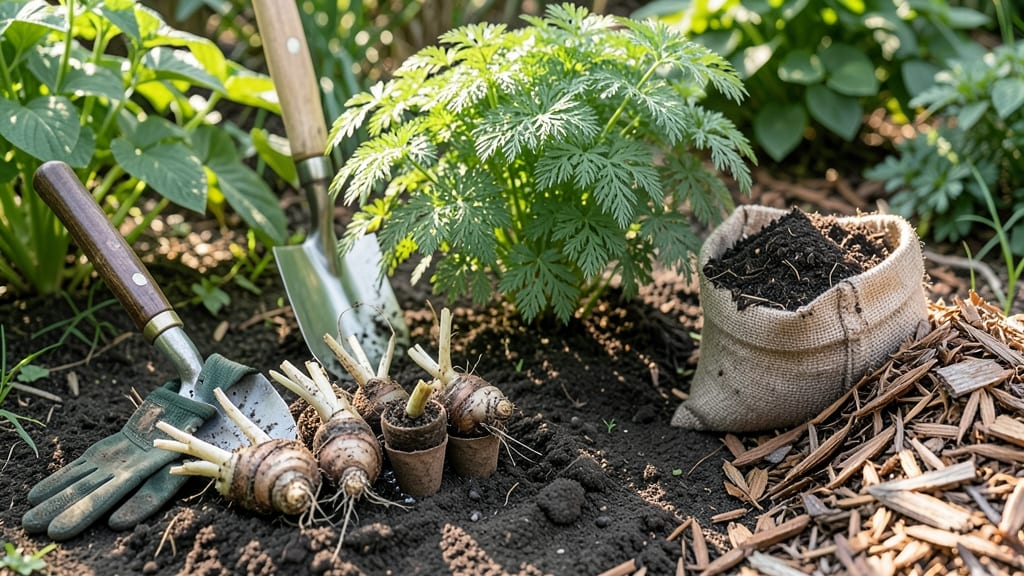
Planting asparagus in Zone 6 at the wrong time could mean waiting years longer for that first harvest—so getting the timing right is everything.
The key window for planting asparagus crowns 🌱 opens in early spring, typically between March and April, when soil temperatures hit 50°F and the threat of frost has passed.
Why does this matter? Asparagus is a patient plant—it needs 2-3 years to establish strong roots before you’ll even see spears. Plant too early, and cold soil can stunt growth; too late, and your crowns might struggle to take hold before summer heat sets in.
In Zone 6, where last frosts usually arrive around mid-April, the ideal planting window is 4-6 weeks before your average last frost date. This gives your asparagus just enough time to root deeply before the real growing season kicks in.
Ready to set yours up for success? I’ll walk you through the exact steps—from soil prep to spacing—to ensure your asparagus thrives for 10+ years of harvests. Let’s make sure your first planting is your best one.
Zone 6 asparagus planting timeline: exact weeks for crowns and seeds
Timing is everything when planting asparagus in Zone 6. The ideal window for planting 1-year-old crowns is 4-6 weeks before your last frost date, typically mid-March to early April.
This gives roots time to establish before spring warmth triggers growth. For asparagus seeds, the window shifts to late summer (August-September), allowing them to germinate before fall dormancy sets in.
Zone 6 gardeners face unique challenges like late spring frosts and variable soil temperatures. Planting too early risks frost damage, while waiting too long delays root development.
The key is balancing soil warmth (50°F+) with frost-free conditions. Let’s break down the exact weeks and critical factors to nail your planting schedule.
📅 Planting Timeline for Zone 6 Asparagus
| Stage | Action | Soil Temp | Frost Risk |
|---|---|---|---|
| Early March | Soil prep: Amend with compost, loosen trenches | 35-45°F | High (wait for last frost date) |
| Mid-March | Plant 1-year crowns 6-8" deep in trenches | 45-50°F | Moderate (check 10-day forecast) |
| Late March | Mulch heavily (4-6" straw) to retain warmth | 50-55°F | Low (after last frost) |
| Early April | Fertilize with 5-10-10 (high phosphorus) | 55-60°F | None |
| Late August | Sow asparagus seeds 1/2" deep (for fall germination) | 60-65°F | None |
| September | Mulch seed beds to protect from early frosts | 50-55°F | Low (after Labor Day) |
For crowns, aim to plant when soil temperatures consistently reach 50°F—this typically aligns with mid-March to early April in Zone 6. Use a soil thermometer to confirm readiness. Seeds, on the other hand, need warmer soil (60°F+), making late August the sweet spot for fall germination.
Pro tip: In Zone 6a (colder microclimates), delay planting until early April to avoid late spring frosts. In Zone 6b (warmer areas), you can plant as early as late March. Always check your local frost dates—they vary even within the same zone.
Once planted, asparagus crowns take 2-3 years to establish before producing spears. Patience is key: Resist harvesting in the first year to let roots grow strong. After year 3, you’ll reap rewards with spears in June-July, just in time for peak season.
If you miss the spring window, don’t despair—asparagus seeds can be sown in late summer for a fall-to-spring growth cycle. These seedlings will produce spears in year 4, so they’re ideal for gardeners who prefer a delayed harvest in exchange for flexibility.
For container growing in Zone 6, plant crowns in large pots (18"+ depth) and move them to a south-facing spot for maximum sun. Containers warm up faster than soil, so you can plant 2 weeks earlier than in-ground beds. Just ensure pots have drainage holes to prevent root rot.
Remember: Asparagus thrives on consistency. Once established, it’s drought-tolerant but needs deep, infrequent watering (1-2 inches per week). Mulch heavily to retain moisture and regulate soil temperature—this is especially critical in Zone 6’s variable climate
Critical factors that determine your planting window in Zone 6
Your asparagus success in Zone 6 hinges on three critical factors: soil temperature, last frost dates, and your local microclimate. Planting too early when soil is still cold can stunt root growth, while waiting too late risks summer heat stress before establishment.
For Zone 6, aim to plant when soil reaches 50°F (10°C)—this typically falls between late March and early April. Use a soil thermometer to confirm: cold soil slows root development, delaying your first harvest by years.
Last frost dates vary by location within Zone 6. Check your USDA Zone 6a/6b average last frost (usually mid-April) and plant 4-6 weeks before this date. This timing ensures roots establish before summer heat arrives.
Microclimates matter—south-facing beds warm faster than north-facing ones. If your garden sits in a frost pocket or shaded area, adjust your planting window 1-2 weeks later to avoid cold snaps.
⚠️ Late Spring Frost Risk
Zone 6 gardeners often face late spring frosts (after April 15). Planting too early in February or early March risks crown damage. Wait until soil is consistently above 50°F for 5+ days before planting.
🌡️ Pro Tip: Cover young plants with frost cloth if late frosts are forecasted.
Another key factor is moisture retention. Sandy soils dry out faster, while clay holds moisture longer. Amend your soil with 2-3 inches of compost to improve water retention and root development during the critical first growing season.
Finally, avoid planting asparagus in wet, waterlogged soil—roots need oxygen to grow. If your spring is unusually wet, delay planting until the ground is workable but not soggy. This might push your window into early May in some years.
By monitoring these factors, you’ll give your asparagus the best chance to establish strong roots before summer heat and ensure harvests for 10+ years. The right timing now means years of rewards later—so don’t rush it!