
Plants
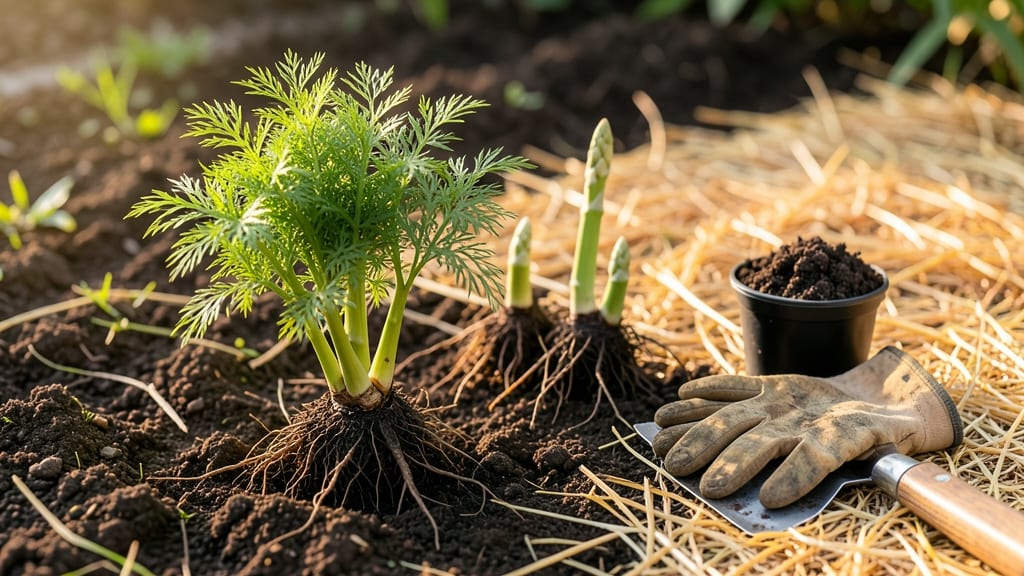
If you're dreaming of a bountiful asparagus harvest in Zone 9, timing is everything—plant too late, and your crowns may struggle to establish before summer’s brutal heat. The key to success lies in those cool winter months when soil temperatures drop just enough to encourage strong root growth.
Zone 9 (think Southern California or Phoenix) offers a unique challenge because there’s no frost to signal planting season. Instead, you’ll need to watch for soil temperatures between 50°F and 60°F, which typically aligns with December through February.
Planting crowns during this window gives them time to settle before the heat ramps up.
Most gardeners in Zone 9 swear by crowns over seeds—they establish faster and yield sooner. But even with crowns, proper soil prep is non-negotiable. Amending heavy clay or sandy soil with compost and ensuring excellent drainage will make all the difference in your asparagus’s long-term success.
Ready to grow? I’ll walk you through the exact steps to time your planting, prep your soil, and keep your asparagus thriving through Zone 9’s quirks—so you can enjoy fresh spears for years to come. Let’s get started.
Optimal planting windows for asparagus in Zone 9 by microclimate
Zone 9’s diverse microclimates—from coastal San Diego to Phoenix deserts—create wildly different conditions for asparagus crowns. While December through February is ideal, your exact timing depends on whether you’re near the ocean, inland, or in a high-desert area.
Coastal areas like Los Angeles and San Diego enjoy milder winters, so you can plant asparagus crowns as early as late November when soil temperatures drop to 50-60°F. Inland cities like Riverside or Bakersfield should wait until January to avoid summer heat stress.
For desert climates like Phoenix or Tucson, aim for mid-January to early February when nighttime temps stay below 60°F. These areas experience intense summer heat, so planting too early risks crowns struggling to establish before the heatwave hits.
Avoid planting in spring or summer—Zone 9’s heat can cause crowns to bake in the soil or fail to root properly. Even well-established plants need a cool dormancy period to thrive.
Here’s how to align your planting with your specific microclimate for the best success:
Use a soil thermometer to confirm readiness—plant only when soil temps are consistently below 65°F. In desert areas, mulch heavily with straw or wood chips to retain moisture and cool the soil.
Once planted, asparagus crowns need 6-8 weeks of cool weather to establish roots before summer’s heat arrives. If you plant too late, your harvest may be delayed by 1-2 years as the plant focuses on survival rather than growth.
For coastal gardeners, extend the season by planting in shaded beds or using drip irrigation to prevent fungal issues from humidity. Inland and desert gardeners should prioritize well-draining soil and deep watering to combat dry conditions.
Pro tip: Mark your planting date and track spear emergence in a garden journal. In Zone 9, spears often appear 3-4 months after planting, but this can vary by 1-2 months depending on microclimate.
Signs your Zone 9 soil is ready for asparagus crowns
Zone 9’s soil can be deceptive—what feels dry on the surface might hide perfect conditions for asparagus crowns just a few inches down. The key is monitoring soil temperature and moisture balance during those critical winter months.
Aim for soil temps between 50°F and 60°F, which typically occurs in December through February, depending on your microclimate.
For coastal areas like San Diego, soil may stay cooler longer, while inland spots like Phoenix can warm up faster. Use a soil thermometer to check temps at 4-6 inches deep—this is where your asparagus roots will thrive.
If temps dip below 50°F, wait a week or two before planting.
Next, test your soil’s moisture retention. Asparagus hates soggy roots but also struggles in bone-dry soil. Press your finger into the soil—it should feel like a slightly damp sponge.
If it crumbles easily, water it thoroughly 24 hours before planting. If it feels sticky, amend with compost or perlite to improve drainage.
🌱 Pro Tip: Zone 9 soils often compact easily. Loosen the top 12 inches of soil and mix in 2-3 inches of compost to create an ideal root zone. This mimics the deep, well-aerated soil asparagus craves in its native Mediterranean climate.