
Plants
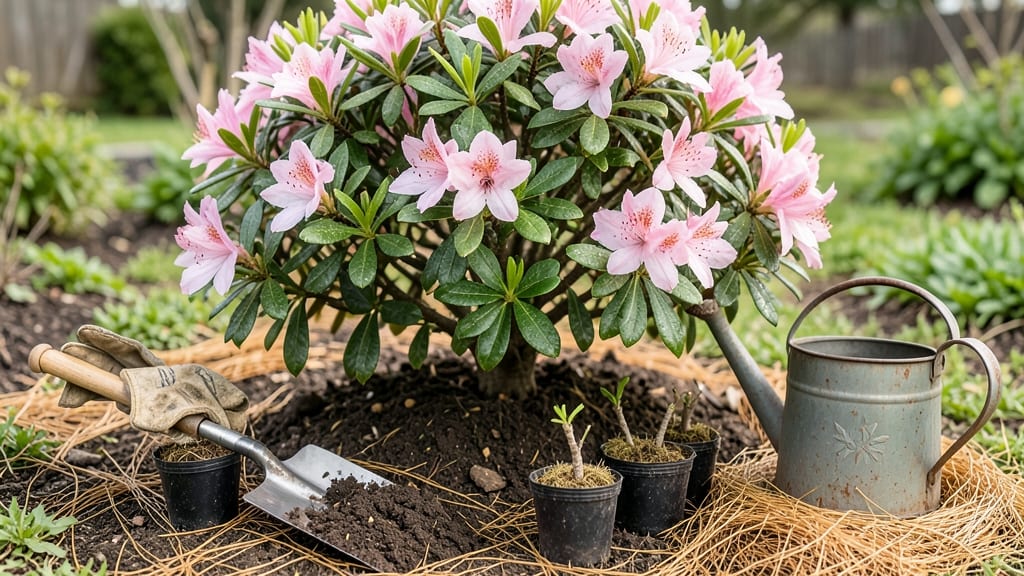
If you're dreaming of vibrant 🌸 azaleas bursting with color in your Alabama garden, the best time to plant azaleas in Alabama is fall—and timing is everything.
Planting azaleas in Alabama during the right months means the difference between thriving shrubs and struggling survivors, especially in our humid climate where heat and moisture can work against you.
Most gardeners in zones 7a-8b know azaleas love fall, but the exact timing matters more than you might think. Too early, and your plants could struggle with Alabama's lingering summer heat; too late, and they won't establish strong roots before winter.
I'll show you the precise October-November window that works best—and how to adjust for your specific corner of the state.
Beyond timing, Alabama's soil can be a real challenge for azaleas, which crave acidic conditions. We'll cover how to prep your soil like a pro, including mulching techniques that protect your plants from our unpredictable weather patterns.
Whether you're a seasoned gardener or just starting, these tips will help your azaleas take root and flourish.
Ready to transform your yard into a springtime explosion of color? Let's dive into the secrets of planting azaleas in Alabama the right way—so you can enjoy those stunning blooms for years to come.
You'll learn what to do, what to avoid, and how to keep your azaleas happy through Alabama's ever-changing seasons.
Best fall planting months for Alabama azaleas (with exact dates)
Timing is everything when planting azaleas in Alabama's humid subtropical climate. The ideal window is October through mid-November, when soil stays warm but nights cool down. This gives roots 6-8 weeks to establish before winter dormancy begins.
Northern Alabama (USDA Zone 7a) has a slightly earlier cutoff—aim for mid-October to early November—while Southern Alabama (Zone 8a-8b) can extend planting until late November. The key is avoiding freezing temperatures before roots take hold.
Here’s why fall works best: cooler air reduces transplant shock, while still-warm soil encourages root growth. Plus, azaleas planted in fall often bloom earlier the following spring, giving you a head start on Alabama’s stunning spring displays.
| Region | Best Planting Window | Key Consideration |
|---|---|---|
| Northern Alabama (Zone 7a) | Mid-October to early November | Avoid early frosts (after Nov 15) |
| Central Alabama (Zone 7b-8a) | Late September to mid-November | Soil stays warm longer; extend window |
| Southern Alabama (Zone 8a-8b) | Late September to late November | Milder winters allow later planting |
| Urban Areas (Birmingham, Huntsville) | October to early November | Watch for heat islands—soil may stay warm |
| Coastal Areas (Mobile, Gulf Shores) | October to mid-December | Higher humidity; monitor for fungal risks |
If you miss fall, early spring (March-April) is your second chance—but expect smaller first-year blooms as plants focus on root growth. For container-grown azaleas, you can push the window slightly earlier (by 2-3 weeks) since they adapt faster to transplanting.
Pro tip: Check local frost dates using the Alabama Cooperative Extension Service maps. Their first frost averages help fine-tune your planting schedule for your specific county.
For container planting in urban Alabama (like Birmingham or Montgomery), fall is still ideal, but use larger pots (15+ gallons) to prevent root-bound stress during Alabama’s hot summers. Containers dry out faster, so water twice weekly in fall and daily in summer.
Never plant azaleas in summer heat—they’ll wilt within days from stress. Even bare-root azaleas need fall’s cooler temps to avoid shock. If you’re buying potted azaleas in summer, hold off until fall and prune back 1/3 of the foliage to reduce transplant shock.
🌸
Best fall planting months for Alabama azaleas (with exact dates)
Alabama’s fall temperatures—cool but not freezing—create the perfect window for planting azaleas. Unlike spring, fall allows roots to establish before winter dormancy, giving your shrubs a head start.
But timing matters: plant too early, and roots may struggle with summer heat; too late, and frost can damage tender new growth.
For most of Alabama (USDA Zones 7a-8b), the ideal window is mid-October to early November. Northern Alabama (e.g., Huntsville) can extend this slightly later, while Southern regions (e.g., Mobile) should aim for early October to mid-November to avoid early frosts.
Always check your local frost dates—Alabama’s first frost typically arrives between November 15 and December 1.
🌸 Why fall? Cooler air reduces transplant shock, and consistent rainfall (common in Alabama’s fall) keeps soil moist without overwatering risks. Azaleas planted now will bloom next spring with minimal stress, unlike spring-planted shrubs that often struggle with summer heat.
🌱 Alabama Azalea Planting Timeline
| Region | Best Planting Window | Key Consideration |
|---|---|---|
| Northern AL (Zones 7a-7b) | Mid-October to early November | Avoid late frosts (after Nov 15) |
| Central AL (Zones 7b-8a) | Early October to mid-November | Balanced humidity and temps |
| Southern AL (Zones 8a-8b) | Early October to early November | Watch for early heat spikes |
Pro tip: If you miss fall, early spring (March) is your second chance—but avoid planting after April 15, as summer heat can stress young roots. For container-grown azaleas (great for urban Alabama yards), you can plant up to December 1, as pots insulate roots better.
Always acclimate bare-root azaleas for 1-2 days before planting. Soak roots in water for 1-2 hours to rehydrate, then plant within 24 hours. This step is critical in Alabama’s clay-heavy soils, which can dry out quickly even in fall.
Monitor your azaleas’ progress after planting. New growth by late winter signals successful root establishment. If leaves yellow or wilt, adjust watering or check for fungal risks common in Alabama’s humid climate. Mulch heavily (3-4 inches) to retain moisture and regulate soil temps.