
Plants
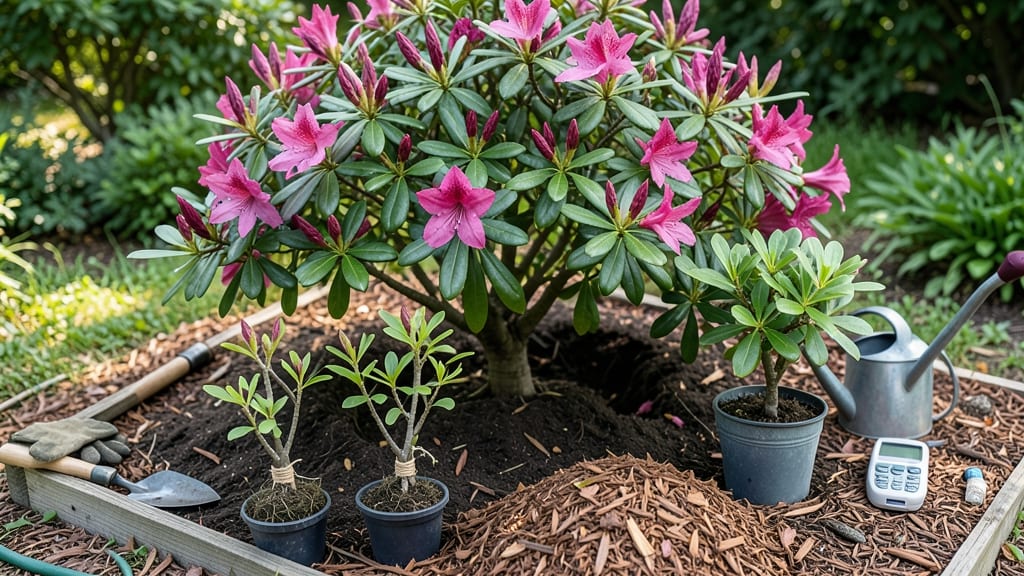
Planting azaleas in Florida at the wrong time can mean the difference between vibrant spring blooms and struggling shrubs that never quite thrive. Unlike cooler climates, Florida’s 8a-11 zones demand precise timing to avoid summer stress or winter damage—so when you plant matters just as much as how you plant.
The ideal window for most Florida gardeners is fall (September-November) or early spring (February-March), but your exact microclimate—whether you're in North Florida’s cooler hills or South Florida’s steamy heat—can shift the perfect moment by weeks.
Get this wrong, and your 🌸 azaleas might fight to establish roots before the next heatwave hits.
What if you missed the classic planting months? Don’t panic—we’ll cover how to assess your local conditions (soil moisture, humidity, even native plant competition) to determine if your region is actually ready, even if it’s outside the typical calendar.
Spoiler: Some Florida zones can handle late-summer or winter planting with the right prep.
Ready to transform your yard into a year-round azalea paradise? I’ll walk you through soil prep, frost considerations (yes, even in Zone 10!), and post-planting care tricks that keep your azaleas blooming boldly—no matter where you are in the Sunshine State.
Optimal planting months for azaleas in Florida’s 3 microclimates
Florida’s diverse climate zones mean your azalea planting timeline depends heavily on where you live. North Florida’s cooler winters and South Florida’s year-round heat create three distinct microclimates—each with its own ideal window for planting. Let’s break down the best months for each zone to ensure your azaleas thrive.
In North Florida (USDA Zones 8a-8b), where frost is a real threat, your planting window is narrower but critical. The last frost date (typically mid-January) signals the start of your early spring planting window, while fall planting should wrap up by early November before cooler temperatures set in.
Central Florida (Zones 9a-9b) offers the most flexibility, with a longer fall window (September through November) and an early spring window (February through March). This transitional zone benefits from milder winters, allowing for more planting opportunities than North Florida.
For South Florida (Zones 10a-11), timing is less about frost and more about avoiding summer heat stress. Plant in late summer to early fall (August through October) or early spring (February to March) to give your azaleas time to establish roots before the brutal summer sun arrives.
| Microclimate | Ideal Planting Window | Soil Temp | Rainfall | Key Consideration |
|---|---|---|---|---|
| North Florida | Feb-Mar, Sep-Nov | 55-70°F | Moderate | Avoid frost |
| Central Florida | Sep-Nov, Feb-Mar | 60-75°F | Moderate-High | Balanced seasons |
| South Florida | Aug-Oct, Feb-Mar | 70-80°F | High | Avoid summer heat |
Beyond the calendar, soil temperature is your best indicator of readiness. Azaleas prefer soil temps between 60-70°F—use a soil thermometer to check before planting.
In North Florida, this often aligns with late September to early October, while South Florida gardeners can plant as late as October without risking heat stress.
Don’t overlook rainfall patterns either. Florida’s wet season (June-October) can make soil soggy, delaying planting. Aim for drier periods within these windows to ensure well-draining conditions. For example, September in Central Florida often offers the perfect balance of warm soil and moderate rain.
Pro tip: If you miss the ideal window, container planting gives you flexibility. Potted azaleas can be planted year-round in Florida’s frost-free zones, though they’ll need extra shade and water during summer months. Just ensure your container has drainage holes and use a lightweight potting mix.
For North Florida gardeners, timing is everything—plant too early, and frost will damage young roots. Too late, and your azalea may struggle to establish before winter. Central Florida offers the most flexibility, while South Florida requires avoiding summer’s intense heat.
Pay attention to local weather forecasts and adjust your planting date by 1-2 weeks if needed.
Remember, azaleas are acid-loving plants, so test your soil’s pH (4.5-6.0) before planting. Florida’s native soils are often alkaline, so you may need to amend with peat moss or sulfur. This step is non-negotiable for vibrant blooms and healthy growth.
Once planted, mulch heavily (2-3 inches) with pine bark or pine needles to retain moisture and acidify the soil over time. This simple step can mean the difference between thriving azaleas and struggling shrubs in Florida’s challenging climate.
Signs your Florida region is ready for azalea planting (beyond the calendar)
Florida’s planting calendar isn’t one-size-fits-all—your local microclimate can shift the ideal window by weeks. While September-November and February-March are the golden months, factors like soil moisture, humidity levels, and even native plant competition can signal it’s time to plant, even outside these windows.
For example, if your North Florida garden stays unusually damp in December, you might plant then without risking root rot.
Don’t rely solely on the calendar—check for soil temperature between 60-70°F. Use a soil thermometer to confirm it’s cool enough for roots to establish but warm enough to avoid winter dormancy stress.
In South Florida’s Zone 10a+, where frost is rare, you might plant as late as January if soil temps stay mild and humidity is high.
Watch for native plant cues too. If nearby oak trees are dropping acorns (a sign of late summer/early fall), your azaleas are ready to join them. Similarly, palm fronds unfurling in spring signal safer soil conditions for early planting. These natural indicators often align with—but sometimes override—the calendar.
Pay attention to rainfall patterns too. If your area has had consistent 1-inch weekly rains for 2+ weeks, the ground is pre-moistened, reducing transplant shock. In drought-prone Central Florida, wait until after a 2-inch rainfall event to plant, even if it’s slightly outside the ideal window.
Another key sign: humidity levels. Azaleas thrive in 60-80% humidity. If your region’s humidity drops below 50% (common in North Florida winters), delay planting until moisture returns. Use a hygrometer to monitor—this is your green light to plant even in December or April.
Finally, assess competition from existing plants. If your yard’s grasses or weeds are actively growing (not dormant), the soil is primed for azalea roots. In South Florida’s steamy zones, this might mean planting in late summer when competition slows down.
Pro tip: Combine these signs with your USDA zone for a foolproof read. For example, Zone 8a gardeners might plant in late November if soil temps are ideal, while Zone 10a+ can plant in January with no frost risk.
When in doubt, err on the side of cooler soil—azaleas recover better from slightly early planting than from summer heat stress.
Key Signs Your Florida Region Is Ready
Remember: Florida’s microclimates create exceptions to the rule. If your Gainesville garden (Zone 8b) gets a cold snap warning in November, delay planting until after December 1, even if soil temps are perfect. Conversely, Miami gardeners (Zone 10b) can plant in January with no frost concerns.
When you spot 3+ of these signs aligning, grab your azaleas and dig in—your year-round blooms will thank you. And if you’re still unsure? Plant a test hole first: Fill it with water and check if it drains in 1-2 hours. If it does, your soil’s ready for roots.