
Trees
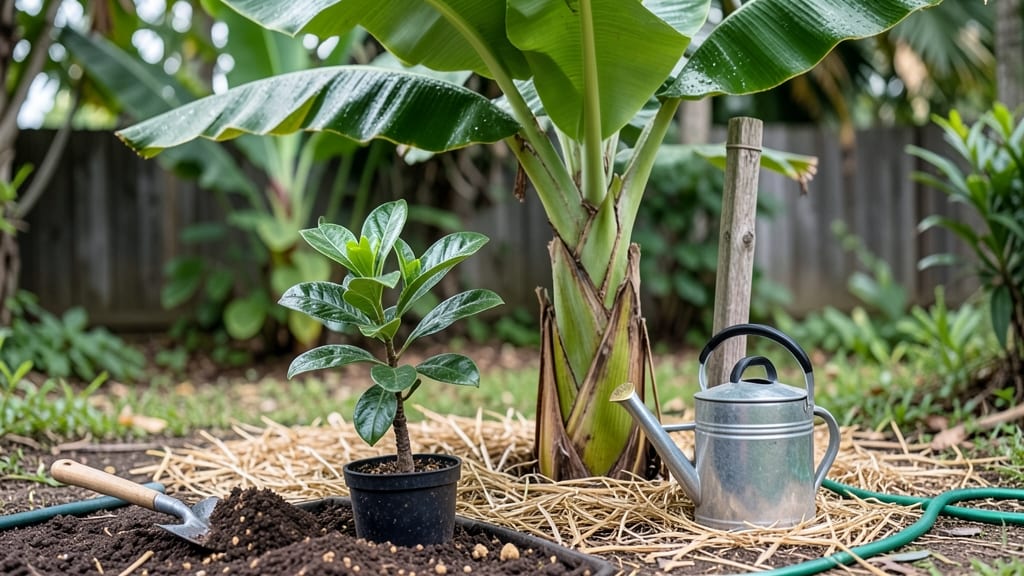
Planting a 🍌 banana tree in Florida sounds like a dream—until you realize timing makes all the difference between a thriving tropical giant and a struggling underachiever.
The perfect window isn’t just about avoiding frost (which Florida rarely sees), but about leveraging the state’s microclimates to give your tree the best possible start.
Whether you’re in Miami’s steamy coastal heat or Orlando’s slightly cooler inland zones, the ideal months for planting shift based on rainfall, humidity, and even hurricane season risks. Skip the guesswork and plant at the right time, and you’ll see faster growth, bigger harvests, and fewer headaches down the road.
I’ve grown banana trees in Florida’s 9a-11 zones for years, and the difference between a spring-planted tree and a summer one? Night and day. Let me break down the exact months that work best for your specific corner of the Sunshine State—and how to avoid the most common pitfalls.
Ready to turn your yard into a banana paradise? You’ll learn how to time your planting for maximum success, from soil prep to weather watch, so your 🍌 banana tree thrives year-round.
Best planting months for banana trees in Florida’s 3 key microclimates
Florida’s frost-free climate lets you plant banana trees almost year-round, but timing matters for root establishment and fruit production. The state’s three distinct microclimates—North, Central, and South—each offer unique planting windows tailored to temperature and rainfall patterns.
In North Florida (USDA Zones 8a-9a), cooler winters mean spring planting (March-May) is ideal, allowing roots to establish before summer heat. Central Florida (Zones 9b-10a) thrives with year-round planting, but peak success comes in late winter to early spring (February-April).
South Florida (Zones 10b-11) enjoys tropical conditions, making any month viable, though summer (June-August) plantings benefit from Florida’s natural rainfall. Let’s break down the best months for each region to maximize your harvest.
🌱
For North Florida gardeners, planting in March or April ensures your banana tree escapes the region’s brief cooler spells while avoiding summer’s intense heat. Central Florida offers flexibility, but February-March aligns with natural rainfall patterns, reducing irrigation needs.
In South Florida, where frost is rare, summer planting (June-August) capitalizes on Florida’s monsoon season, cutting your watering workload. However, avoid planting during hurricane season (June-November)—young trees are vulnerable to storm damage.
Regardless of region, plant banana trees when soil temps exceed 65°F. Use a soil thermometer to confirm—cool roots struggle to establish. Mulch heavily in summer to retain moisture and protect roots from temperature swings.
Pro tip: Container-grown banana trees can be planted year-round in Florida, but bare-root plants need warmer soil (70°F+) for best survival rates. If planting in winter (December-February), choose a sheltered spot to shield from rare cold snaps.
🌿
Now that you’ve nailed the best months, let’s dive into soil prep secrets to ensure your banana tree thrives from day one—including how to adjust pH and mulch for Florida’s unique challenges.
How to time your planting for maximum fruit production (with soil prep secrets)
Timing your banana tree planting isn’t just about the calendar—it’s about syncing with Florida’s rainy and dry seasons to give your tree the best shot at thriving.
Planting during the spring or early summer aligns perfectly with Florida’s natural moisture cycles, giving young roots the hydration they crave without drowning them in standing water.
For maximum fruit production, aim to plant when temperatures stabilize between 70°F and 85°F. This sweet spot ensures your tree focuses energy on root growth rather than stressing over extreme heat or cold.
In Central Florida, this typically means March through May, while South Florida gardeners can extend planting into early June.
🌱 Pro Tip: Avoid planting during hurricane season (June-November) unless you’re prepared to protect your young tree from wind damage. A sturdy stake and tie system can save your investment if you’re set on a summer planting.
🌱 Step-by-Step Planting Timeline for Florida Banana Trees
- 📅 2-4 Weeks Before Planting: Test soil pH (6.0–7.5) and amend with compost or aged manure. Banana trees hate soggy soil, so mix in perlite or sand if your soil drains poorly.
- 🪴 Planting Day: Dig a hole twice as wide as the root ball but no deeper. Place the tree so the top of the root ball sits 1 inch above soil level to prevent waterlogging.
- 💧 First 2 Weeks: Water deeply every 2-3 days to encourage root spread. Use a soaker hose to avoid wetting the leaves, which can cause fungal issues.
- 🌿 Month 1-3: Apply a balanced fertilizer (6-6-6) every 6 weeks to boost growth. Avoid high-nitrogen fertilizers—they promote leafy growth over fruit.
- ☀️ Ongoing Care: Mulch around the base with 3-4 inches of organic mulch (like pine bark) to retain moisture and regulate soil temperature.
One of the biggest mistakes Florida gardeners make is overwatering during the summer months. While banana trees love moisture, their roots rot quickly in waterlogged soil. I’ve seen young trees collapse within weeks because their owners assumed “more water = better growth.”
Instead, focus on deep, infrequent watering—aim for 1-2 gallons per watering for young trees, increasing to 5+ gallons for mature ones.
🌡️ Temperature Tip: If you’re planting in North Florida (Zones 8b-9a), wait until after the last frost risk (mid-April). Even a light frost can kill young banana trees, so don’t rush the process.
Hardier varieties like Red Dacca can tolerate slightly cooler temps, but Cavendish bananas need consistent warmth.
By following these seasonal cues and soil prep secrets, your banana tree will establish strong roots and start producing fruit in as little as 9-12 months.
The key is patience—banana trees grow fast, but they need the right conditions from day one to reach their full potential in Florida’s climate.