
Plants
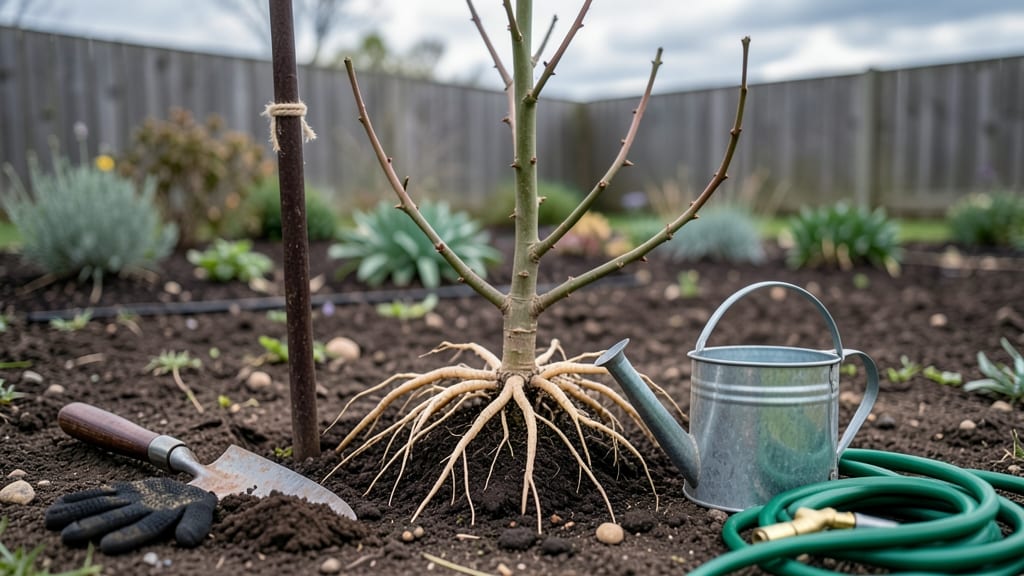
Timing when to plant bare root roses in Zone 9 isn't just about avoiding frost—it's about beating the heat before your canes even think about blooming. The wrong window, and you're left with wilted stems and disappointed dreams of fragrant gardens.
But get it right, and those 🌹 roses will thrive year after year, turning your desert landscape into a lush, colorful oasis.
Most gardeners in Phoenix or Southern California deserts assume spring is the only time to plant, but that's actually the riskiest period. The key is planting during dormancy—when temperatures are cool and moisture is consistent—so roots can establish before summer's brutal heat arrives.
This means late fall to early spring is your sweet spot, but there's more to it than just picking a month.
What you might not realize is how microclimates within Zone 9 change the game. Coastal areas near San Diego can handle slightly later plantings, while inland deserts like Phoenix demand earlier action.
I'll break down exactly when to dig in for each scenario, plus how to prep your soil and care for those delicate canes so they don't wither before they even begin to grow.
Let's cut through the guesswork so you can transform your garden into a flourishing rose haven—without the stress of second-guessing your timing.
You'll learn the precise windows, what to watch for in your specific area, and how to give your roses the best possible start toward a season of stunning blooms.
Optimal planting windows for bare root roses in Zone 9
In Zone 9, where summers can hit 110°F+, planting bare root roses at the wrong time means your canes will wilt before roots establish. The ideal window is November through February, when cooler temps and higher humidity give roots a fighting chance.
But here’s the catch: coastal areas (like San Diego) have milder winters, while inland deserts (like Phoenix) need earlier planting to avoid spring heat spikes.
For coastal Zone 9 (e.g., Los Angeles, Santa Barbara), aim for December to February. The ocean’s moderating effect keeps soil temperatures cooler, giving roots 6-8 weeks to settle before summer.
Inland areas (e.g., Palm Springs, Tucson) should plant November to January—any later, and the April heat will stress young canes.
Pro tip: Check your microclimate. A valley heats up faster than a hillside, so adjust planting dates by 2-4 weeks if your garden sits in a heat sink. Use a soil thermometer—roots struggle below 40°F or above 85°F at planting.
🌹
If you miss the primary window, don’t panic. Late February to early March can work for dwarf varieties or heat-tolerant hybrids (like ‘Knock Out’ roses), but expect slower establishment.
Avoid planting after March 15—by then, the 100°F+ soil will shock roots, leading to transplant shock or fungal infections.
For Zone 9b (e.g., Riverside, Temecula), push planting to early February. The last frost date is irrelevant here, but soil temps above 70°F signal it’s too late. Use a shade cloth for the first 2 weeks post-planting to reduce stress from direct afternoon sun.
Remember: Bare root roses need 6-8 weeks of cool weather to root before summer. If you plant in February, mulch heavily with 4-6 inches of organic mulch (like wood chips) to insulate roots and retain moisture. This buys you critical time against the April heat.
✂️
Pro move: Order bare root roses from a Zone 9-specialized nursery (like David Austin Roses or Antique Rose Emporium). They ship dormant canes tailored to your climate, with root systems prepped for fast establishment. Avoid big-box stores—their roses often come from colder climates and struggle in Zone 9’s heat.
Finally, monitor your local forecast. A heatwave in February? Delay planting until temps drop below 75°F. Zone 9’s unpredictable microclimates mean flexibility is key—adjust, don’t guess.
Optimal planting windows for bare root roses in Zone 9
In Zone 9, where summer heat can reach 100°F+, planting bare root roses at the wrong time means your canes will wilt before roots establish. The ideal window is November through February, when cooler temps and higher humidity create perfect conditions for root growth.
This timing lets roses acclimate before summer’s stress, ensuring lush blooms by spring.
However, Zone 9 isn’t uniform. Coastal areas like San Diego have milder winters, while inland deserts like Phoenix face sudden heat spikes. Adjust your schedule based on your microclimate: plant earlier (November-December) in inland zones and later (January-February) near the coast where frost is rarer.
Why timing matters: Bare root roses need 4-6 weeks of cool soil to develop roots before summer heat arrives. Planting in March or later risks transplant shock and stunted growth. Prioritize root establishment over blooms—your roses will reward you with healthier canes and bigger flowers next season.
| Microclimate | Best Planting Window | Key Considerations |
|---|---|---|
| Coastal (e.g., San Diego, LA) | January–February | Milder winters; avoid May heat. |
| Inland Desert (e.g., Phoenix, Palm Springs) | November–December | Plant early to escape April heat waves. |
| Valley Areas (e.g., Central Coast) | Late December–January | Balance cool nights and warm days. |
If you miss the ideal window, don’t panic! May planting is possible in cooler microclimates (e.g., high-elevation areas), but mulch heavily and water deeply to protect roots. Avoid planting in summer heat—roses will bolt to leaves instead of blooming, and recovery takes 1-2 years.
Pro tip: Check your local frost dates (even Zone 9 can get light frosts in valleys). Plant 2-3 weeks before the last expected frost to give roots time to anchor before warmth returns. Use a soil thermometer—ideal planting soil temps are 50–60°F.
Remember, bare root roses thrive on patience. The first year is about root growth, not flowers. Focus on moisture retention, shade cloth in summer, and pruning dead canes to redirect energy.
With the right timing, your roses will burst into bloom by spring, making every late-night prep worth it. 🌹