
Plants
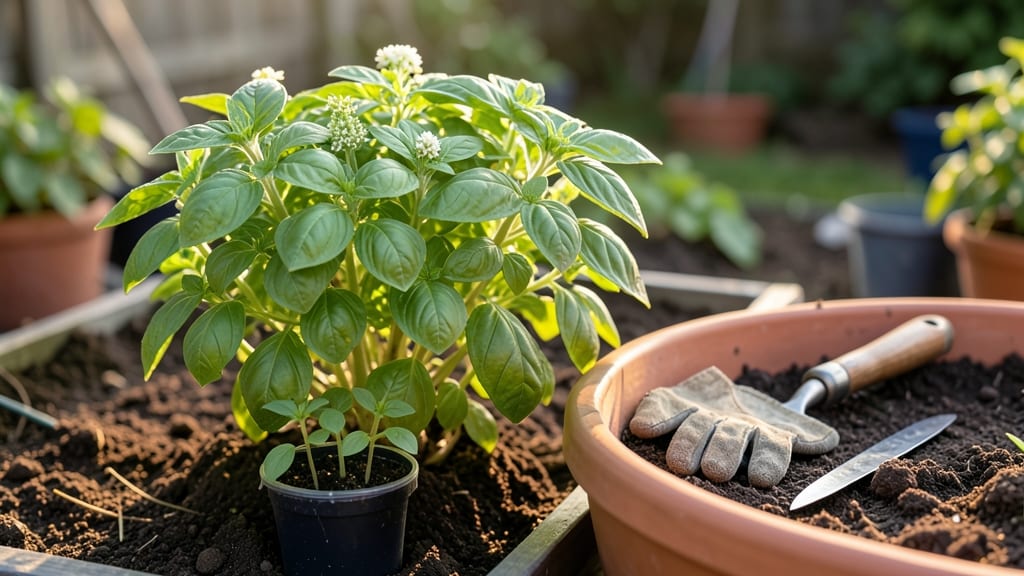
Timing your basil planting in Maryland can mean the difference between a thriving herb garden and a sad, frost-bitten disappointment. Maryland’s Zone 7b-8a climate offers a narrow window where soil warmth and frost-free nights align perfectly—usually between April 15 and May 15.
Miss it, and your 🌿 basil might bolt too early or struggle with cool evenings.
But here’s the thing: Maryland’s microclimates—especially coastal areas versus inland spots—can shift those deadlines by weeks. Whether you’re starting seeds indoors or transplanting seedlings, knowing when to move basil outside is critical. Get it wrong, and you’ll end up with bitter-tasting leaves or plants that never fully mature.
In this guide, I’ll break down the exact frost-free dates for your area, soil temperature must-haves, and how to adjust for your specific Maryland zone. You’ll also learn pro tips for extending your basil season, whether through containers or staggered planting.
Let’s make sure your 🌿 basil grows lush, flavorful, and ready for harvest by June!
Ready to avoid the common mistakes that turn Maryland gardens into basil graveyards? We’ll cover everything—from seed-starting timelines to transplanting tricks—so you can enjoy fresh basil all the way through October. No more guesswork, just a foolproof plan for your herb garden.
Maryland basil planting deadlines: frost dates by Zone 7b-8a
Basil thrives in Maryland’s warm climate but needs precise timing to avoid frost damage. The last average frost date in Zone 7b-8a typically falls between April 15 and May 1, though microclimates near the coast may warm earlier.
Always wait until soil temperatures hit at least 50°F—basil roots struggle in cooler soil, leading to stunted growth.
For direct sowing, aim for April 20–May 10 after the last frost. If starting indoors, begin seeds 6–8 weeks before your last frost date (around March 1–March 15). Transplant seedlings outdoors 2–3 weeks after the last frost when nights stay above 50°F consistently.
Maryland’s first frost usually arrives October 15–October 30, signaling the end of the outdoor growing season. To extend harvests, use cold frames or container gardening to protect plants until early November when temperatures dip below 40°F.
| Stage | Action | Key Notes |
|---|---|---|
| Indoor Start | March 1–15 | 6–8 weeks before last frost |
| Direct Sow | April 20–May 10 | Soil temp ≥50°F, no frost risk |
| Transplant Seedlings | May 1–15 | Nights above 50°F, 2–3 weeks post-frost |
| First Frost | October 15–30 | Protect plants or harvest before temps drop |
Maryland’s coastal areas (e.g., Annapolis, Ocean City) warm faster than inland zones like Frederick or Hagerstown. Coastal gardeners can plant 1–2 weeks earlier, while inland zones should wait until May 1 to avoid late frosts. Use a soil thermometer to confirm readiness—basil roots need warmth to establish.
Basil bolts (prematurely flowers) when stressed by cold or overcrowding. To prevent this, space plants 12–18 inches apart and ensure they receive 6+ hours of sunlight daily. In Maryland’s humidity, mulch around plants to retain moisture and regulate soil temperature, reducing stress.
For container gardening, choose pots with drainage holes and use a lightweight potting mix to improve warmth retention. Containers warm faster than garden beds, allowing you to plant 1–2 weeks earlier in spring. Place pots in south-facing locations to maximize sun exposure.
Monitor local forecasts using tools like the National Weather Service or Old Farmer’s Almanac for real-time frost alerts. In Zone 8a (southern Maryland), you may extend the season until November 1 with protective measures, while Zone 7b gardeners should harvest by October 15.
Basil is an annual in Maryland, meaning it won’t survive winter. However, you can save seeds from mature plants in fall for next year’s garden. Collect seeds when the plant dries naturally, then store them in a cool, dry place until spring planting.
Pro tip: Mark your calendar for May 15 as the final outdoor planting deadline in most of Maryland. After this date, focus on container gardening or indoor growing to keep enjoying fresh basil through fall.
How to extend your Maryland basil season: staggered planting & container hacks
Maryland’s short growing season doesn’t have to limit your 🌿 basil harvest. With a few smart strategies, you can enjoy fresh leaves from early spring through late fall. The key is understanding how to stagger planting and leverage containers to create microclimates that keep your basil thriving longer.
One of the easiest ways to extend your season is by using containers with heat-retaining materials. Dark-colored pots absorb sunlight, warming the roots faster in spring and keeping them cozier in fall. Place them near south-facing walls or on patios where they’ll get extra warmth from reflected sunlight.
Here’s how to make it work in Maryland’s climate:
- Start seeds indoors 6-8 weeks before your last frost date (early March for Zone 7b-8a). Use grow lights if natural light is limited.
- Plant cold-hardy varieties like 'Spicy Globe' basil, which tolerates cooler temperatures better than traditional types.
- Use black containers to warm soil faster in spring. They can be 5-10°F warmer than surrounding soil.
- Implement succession planting every 2-3 weeks from April through July to ensure a continuous harvest.
- Protect late-season plants with frost cloths or move containers indoors before the first frost (typically mid-October).
For gardeners in coastal Maryland, where temperatures are milder, you can push your basil season even further. Coastal areas like Annapolis or Ocean City often have 2-3 extra weeks of growing time compared to inland zones.
Take advantage by planting your last succession crop in early July instead of late June.
Don’t forget about companion planting to protect your basil from pests. Pair it with tomatoes, peppers, or marigolds—these plants repel pests like whiteflies and aphids that commonly target basil. The added benefit? You’ll have a thriving herb garden that supports your entire vegetable patch.
With these techniques, you can enjoy fresh basil from May until the first hard frost in October—sometimes even longer with proper protection. The secret is paying attention to your local microclimate and being flexible with your planting schedule. 🌿