
Plants
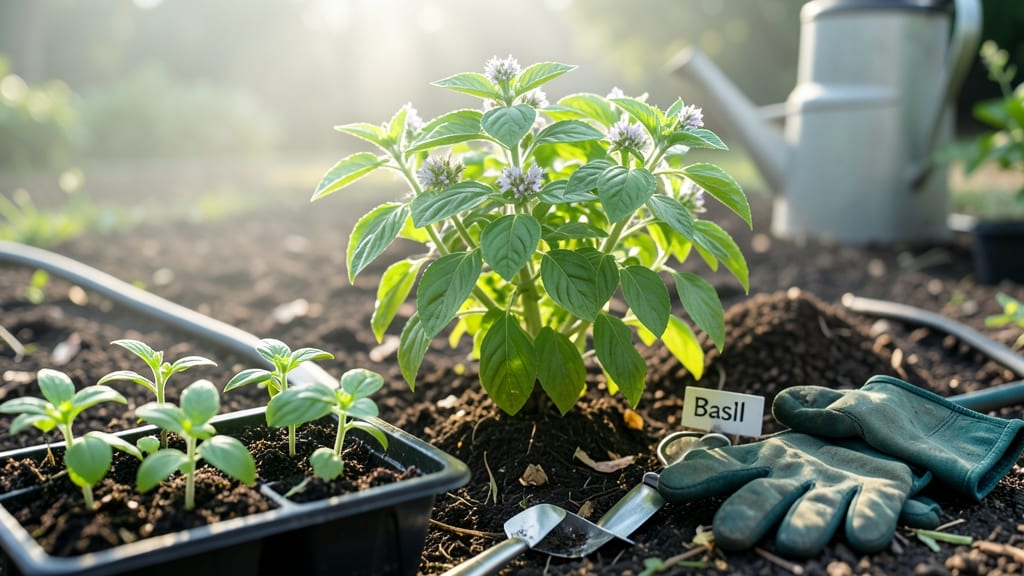
Planting basil in Missouri at the wrong time can mean the difference between a thriving herb garden and a sad, frost-nipped disappointment. With USDA zones 5b-6b and unpredictable spring weather, timing is everything—but getting it right unlocks fresh basil from June through October.
Missouri gardeners know the drill: wait until after the last frost date (typically around April 15), but don’t delay too long—summer’s heat can stress delicate seedlings. The key is balancing frost risk with soil warmth, and I’ll show you exactly how to nail that window for your specific region.
Beyond timing, heat-resistant varieties like Genovese or Thai basil thrive in Missouri’s summers, while proper soil prep and spacing prevent common pitfalls. Whether you’re a first-time gardener or a seasoned green thumb, these location-specific tips will help you grow basil that’s lush, flavorful, and ready to harvest.
Let’s break down the perfect planting schedule, from frost dates to variety choices, so you can enjoy homegrown basil all season long—no guesswork required.
Missouri basil planting timeline: frost dates & last spring frost risks
Missouri’s USDA zones 5b-6b mean basil’s planting window is short but sweet—just 6-8 weeks between last frost and summer’s heat. In northern Missouri, like St. Louis, the average last frost date is April 15, while southern Missouri, like Springfield, sees frost-free conditions by April 1.
Kansas City falls right in the middle, typically around April 10. These dates are your baseline, but microclimates (like urban heat islands) can shift them by 1-2 weeks.
Basil thrives in warm soil (at least 50°F) and wilts if planted too early. If you start seeds indoors 6-8 weeks before your last frost date, you’ll have transplant-ready seedlings by early May.
For direct sowing, wait until mid-May in cooler regions to avoid late frost damage. Missouri’s frost risk drops dramatically after May 1, making this the safest window for outdoor planting.
Here’s how to calculate your personalized planting window: Check your local Almanac frost data (or use the Missouri Botanical Garden’s frost map) and subtract 6 weeks for seed starts or 2 weeks for direct sowing.
For example, if your last frost is April 20, aim for indoor starts by March 20 and outdoor planting by May 5.
| Region | Avg. Last Frost | Safe Planting Window | Frost Risk After May 1 |
|---|---|---|---|
| Northern MO (St. Louis) | April 15 | May 1 - May 15 | Low (5%) |
| Central MO (Kansas City) | April 10 | April 25 - May 10 | Very Low (2%) |
| Southern MO (Springfield) | April 1 | April 15 - April 30 | None (0%) |
| Urban Heat Islands (e.g., Columbia) | April 5 | April 20 - May 5 | Low (3%) |
Missouri’s late spring frosts are the biggest threat to basil. Even after the average last frost, 50% chance frosts can linger until May 10 in northern areas. Use row covers or wait until May 15 for guaranteed safety.
For container gardening, move pots indoors overnight if frost is forecasted—basil’s tender stems can’t handle temps below 45°F.
If you’re eager to start early, seedlings from nurseries (hardened off properly) can handle light frosts better than direct-sown seeds. Look for transplant-ready basil in late April at local garden centers.
Just avoid planting before April 15 unless you’re using row covers or a greenhouse—cold soil slows germination and invites damping-off disease.
For fall planting, basil can tolerate light frosts if planted after September 1, but growth slows dramatically below 60°F. Focus on early September starts for a short harvest window before first frost (typically October 31).
In southern Missouri, you might squeeze in a second harvest by planting August 15.
Missouri’s humidity and heat can also affect basil’s timeline. After June 15, afternoon temps above 90°F stress basil, causing leaf scorch or bolting. To extend your harvest, use shade cloth (30-50%) during peak heat or grow heat-resistant varieties like Thai basil, which thrives in 95°F+ conditions.
Pro tip: Use a soil thermometer to confirm 50°F+ soil temps before planting. Missouri’s clay-heavy soil warms slowly, so black plastic mulch can raise soil temps by 5-10°F and speed up germination. Pair this with drip irrigation to maintain consistent moisture—basil hates fluctuating water levels.
Remember, Missouri’s microclimates vary wildly. A south-facing slope might warm up 2 weeks earlier than your neighbor’s shady backyard. Observe your garden’s warmth patterns for 2-3 years to refine your personal planting calendar.
With the right timing, you’ll enjoy fresh basil from June to October—just in time for tomato sauces, pesto, and summer salads!
Missouri basil planting timeline: frost dates & last spring frost risks
Missouri’s USDA zones 5b-6b create a tricky balance for basil growers. The average last frost date hovers around April 15, but late frosts can linger until May 1 in northern regions like Kansas City, while southern areas like Springfield often see frost-free soil by April 1.
These regional differences mean your planting window can shift by 3-4 weeks depending on location.
To avoid frost damage, I always check the National Weather Service’s historical frost data for my specific area. For example, St. Louis gardeners should wait until April 20 on average, while Columbia’s warmer microclimate allows planting by April 10.
Planting too early risks blackened leaves from overnight frosts, while waiting too long may stress seedlings during Missouri’s heatwaves.
Here’s how to calculate your safe planting window using frost-free days. Missouri typically offers 165 frost-free days annually, but this varies by region. For a 60-day harvest window (standard for basil), aim to plant when you have 105 frost-free days remaining.
This usually lands between April 15 and May 15 for most of the state.
| Region | Avg. Last Frost | Safe Planting Window | Frost Risk |
|---|---|---|---|
| Northern MO (Kansas City) | May 1 | May 10-20 | High |
| Central MO (Columbia) | April 10 | April 20-May 5 | Moderate |
| Southern MO (Springfield) | April 1 | April 15-30 | Low |
| St. Louis | April 20 | April 25-May 10 | Moderate-High |
For extra safety, I recommend using row covers or starting basil indoors 4-6 weeks before your target outdoor planting date. Seedlings can handle cooler soil temperatures better than mature plants, giving you a head start.
If you’re in a high-risk frost zone, consider planting heat-resistant varieties like Thai basil, which tolerates warmer soil better.
Missouri’s unpredictable weather means even the best-laid plans can go awry. Always monitor your local weather forecasts and be ready to cover plants if frost is predicted after your initial planting.
A simple lightweight frost cloth can save your basil from 32°F temperatures, giving your plants time to establish roots before summer’s full heat arrives.
Once you’ve nailed your planting window, the next step is choosing the right basil varieties for Missouri’s climate. Heat-resistant types like Genovese or Purple Ruffles handle summer’s intensity better than standard varieties, and I’ll cover those in the next section.
For now, focus on getting your plants in the ground at the perfect time—your future pesto will thank you!