
Plants
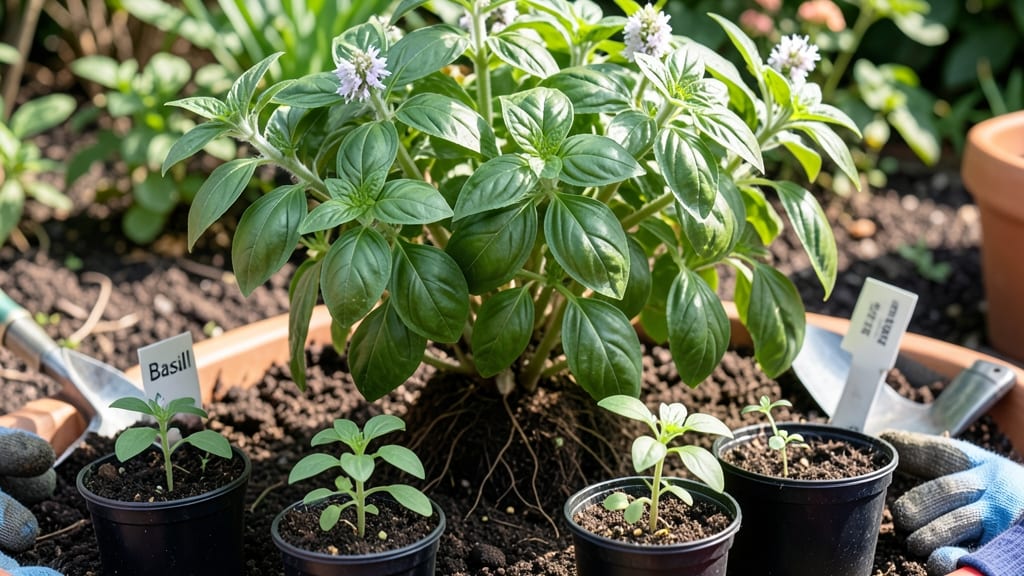
Timing your basil planting in Oregon isn’t just about following a calendar—it’s about outsmarting the Pacific Northwest’s unpredictable shifts from coastal fog to inland heat. Get it wrong, and you’ll either lose your plants to late frosts or watch them bolt in summer’s sudden warmth. The sweet spot for most of Oregon’s 7b-9a zones falls between mid-April and late May, but coastal areas like Portland play by different rules than Medford’s high-desert climate.
Here’s the game-changer: soil temperature matters more than air temperature. Basil needs soil to stay above 50°F before you even think about transplanting seedlings. That means waiting until after your last frost—usually around April 15—but with a critical caveat for container gardeners in cooler microclimates.
I’ll show you how to stretch your growing season by 3-4 weeks using simple tricks like cold frames and succession planting.
Why does this matter? Because bitter basil isn’t just annoying—it’s a flavor crime. The right timing ensures your 🌿 plants stay sweet and productive from June through September, when Oregon’s summer heat peaks.
Whether you’re a Willamette Valley gardener or a high-desert grower, these zone-specific strategies will help you avoid the two biggest basil mistakes: planting too early (frost risk) or too late (bolting). Let’s get your garden on the right schedule.
You’ll also discover how to pick the best basil varieties for your specific Oregon zone—some handle heat better than others—and when to start seeds indoors if you’re eager to jumpstart your harvest.
No more guesswork, just science-backed timing that actually works for Oregon’s climate quirks. Ready to grow basil that tastes like summer, not regret?
Oregon microclimate zones: exact basil planting dates by region
Oregon’s 10 USDA zones (4–8) create wildly different growing conditions—from coastal fog in zones 7–8 to high-desert warmth in zones 6–7. Your last frost date isn’t just a number; it’s the difference between a thriving basil harvest and a wilted disappointment.
Here’s the exact timing for each region, based on OSU Extension data and local gardener feedback.
For coastal Oregon (e.g., Cannon Beach, Astoria), zone 7b–8a, your average last frost is April 15–May 1. Wait until mid-May to plant outdoors—cooler coastal air lingers longer.
Inland areas like Portland (zone 7b–8a) typically see their last frost around April 10–15, so you can start early April with cold protection.
Willamette Valley (e.g., Eugene, Salem) in zone 7b–8b has a longer growing season (up to 220 frost-free days). Plant late March–early April for early harvests, but monitor nighttime temps—basil wilts below 50°F. High-desert areas like Bend (zone 6a–7a) warm up faster; start early April but use row covers for late frosts.
Southern Oregon (zone 7b–9a, e.g., Medford, Ashland) enjoys earlier springs—plant mid-March in sheltered spots. The Klamath Basin (zone 6b–7a) has shorter frost-free periods (140–160 days), so focus on fast-maturing varieties like Spicy Globe and plant late April.
🌱Pro Tip: Use Oregon State University’s Frost/Freeze Probability Maps (extension.oregonstate.edu) to pinpoint your exact last frost date. Bookmark this for next year—dates shift yearly!
💡Why These Dates Matter: Basil seeds rot in cold soil below 50°F, and seedlings stunt below 55°F. Coastal areas often see late-May frosts, while inland zones can hit 80°F by June.
Planting too early risks frost damage; too late, and your harvest peaks in September heat, reducing flavor.
For container gardening (ideal for coastal areas), start seeds indoors 4–6 weeks before your last frost. Move pots outside only after nighttime temps stay above 50°F. Harden off seedlings gradually—1 hour/day for 3 days, then all day—to avoid shock.
🌿Succession Planting Hack: In zones 7–8, make 2–3 plant
How to adjust basil planting for Oregon’s unpredictable weather patterns
Oregon’s weather is famously unpredictable, especially when it comes to late frosts and sudden heatwaves. I’ve learned the hard way that even after checking frost dates, a March freeze can still sneak in—especially in the Willamette Valley or coastal regions.
The key to success? Proactive adjustments that account for Oregon’s microclimate quirks, like using soil warming techniques or staggered planting.
For coastal areas (e.g., Astoria, Cannon Beach), where fog lingers into May, I recommend starting basil seeds indoors by late February under grow lights. This gives you a 4-6 week head start before transplanting outdoors after May 15, when soil temperatures reliably stay above 50°F.
In high-desert zones (e.g., Bend, La Pine), you can push planting to late April because the soil warms faster, but be ready to shade plants if a heatwave hits early.
Here’s my top 5 strategy for beating Oregon’s weather: use black plastic mulch to warm soil, set up a mini cold frame for seedlings, and plant in staggered batches every 2 weeks.
This ensures you’ll always have fresh basil from June through September, even if one batch gets hit by unexpected frost or heat stress.
- Soil Warmers: Lay black plastic mulch 2 weeks before planting to raise soil 5-10°F faster. Works best in cooler zones (7b-8a).
- Cold Frame Hack: Use a clear plastic bin with a lid to protect seedlings. Removes at night once temps stay above 50°F.
- Staggered Planting: Sow seeds every 2 weeks from April to June. Ensures continuous harvests even if weather disrupts one batch.
- Heatwave Prep: If forecast calls for 90°F+, shade plants with 50% shade cloth to prevent bolting.
- Rainy Season Backup: In June-August, use drip irrigation to avoid soggy soil, which invites fungal diseases like downy mildew.
One mistake I see often? Overestimating frost dates. Even if the USDA zone suggests your area is 8a, a late-March freeze can still occur—especially in valley bottoms where cold air pools.
My rule of thumb: Wait until nighttime temps consistently stay above 50°F before transplanting. For container gardeners, this means moving pots to a sunny windowsill or under grow lights until soil warms.
For high-desert areas, the opposite challenge arises: sudden heat. Basil bolts (goes to seed) when days get too long or hot. To prevent this, I prune regularly to encourage bushier growth and harvest leaves before flowers form.
If heat hits early, provide afternoon shade with a lightweight row cover or mesh screen.
Finally, don’t forget succession planting—it’s your secret weapon for extended harvests. By planting new seeds every 2 weeks from April to June, you’ll have fresh basil ready to pick from July through September, even if the first batch bolts early.
It’s the #1 trick I use to avoid the mid-summer flavor fade that ruins so many Oregon gardens.