
Plants
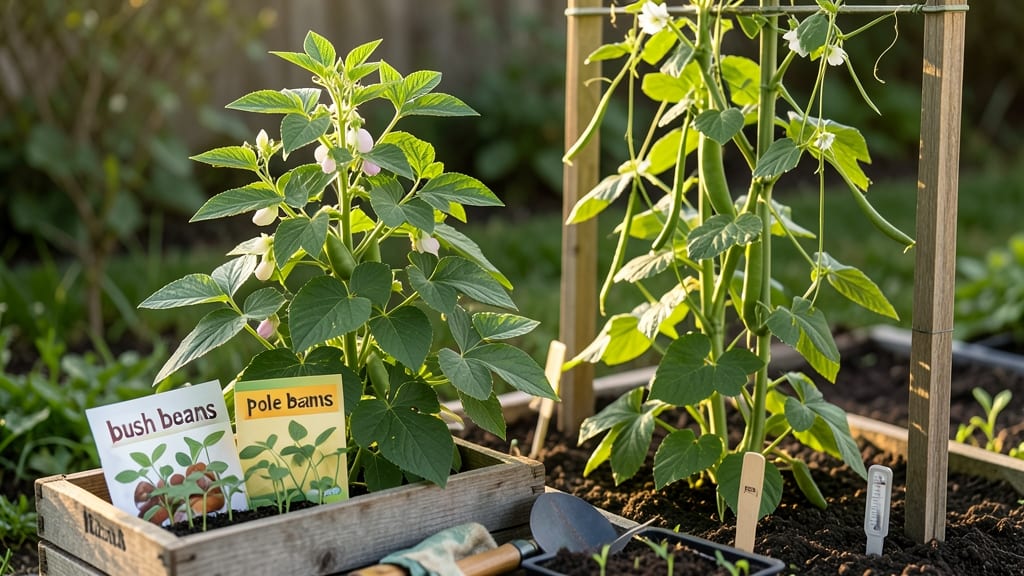
Timing your bean planting in Minnesota can make or break your harvest—get it wrong, and frost will turn your hard work into a sad, wilted 🌱 memory.
The key is knowing when soil warms up and last frost dates shift between Zone 4 and 5, because even a single late freeze can ruin tender young plants.
Most Minnesota gardeners wait until late April or early May to plant beans, but that’s just the starting point.
The real secret lies in soil temperature—wait until it hits at least 60°F—and checking your local frost-free date, which can vary by 2 weeks from northern to southern parts of the state. I’ll show you exactly how to time it right for your specific zone.
Whether you’re direct-sowing seeds or starting them indoors, this guide covers everything from heat-loving varieties to frost-tolerant options that work in Minnesota’s short growing season. You’ll learn which beans thrive in Zone 3b-5a and how to stretch your harvest window beyond the first frost.
Ready to grow a bumper crop? Let’s break down the perfect planting schedule, from soil prep to variety selection, so you can enjoy fresh beans from July through September—without the guesswork.
Minnesota bean planting calendar: frost-free dates by Zone 4-5
Timing your bean planting in Minnesota’s Zone 4-5 climate means balancing frost dates with soil warmth. Beans are frost-sensitive, so planting too early risks killing seedlings, while waiting too long shortens your harvest window.
The key is planting after your last average frost date—typically mid-May in most of Minnesota—but also ensuring soil temperatures hit at least 60°F for optimal germination.
Minnesota’s growing season varies by region: Northern MN (Zone 3-4) has shorter seasons, while Southern MN (Zone 4-5) enjoys 2-3 extra weeks. For example, Duluth’s last frost often lands in May 20-25, while Minneapolis averages May 10-15.
Use these dates as guidelines, but always check your local frost date map for precision.
Beans thrive in warm soil, so wait until soil reaches 60°F—a soil thermometer is your best tool.
In Minnesota, this usually aligns with late May to early June, especially for pole beans, which need more warmth to climb. Bush beans are slightly more cold-tolerant and can handle cooler soils, giving you a 1-2 week earlier planting window.
Here’s your Minnesota bean planting timeline by zone and variety type:
| Zone/Region | Last Frost Date | Ideal Planting Window | Soil Temp Requirement | Best Varieties |
|---|---|---|---|---|
| Northern MN (Zone 3-4) | May 20-25 | Late May - Early June | 60°F+ | 'Provider', 'Kentucky Wonder' (pole), 'Blue Lake' (bush) |
| Central MN (Zone 4) | May 10-15 | Mid-May - Late May | 55°F+ (bush), 60°F+ (pole) | 'Golden Wax', 'Romano', 'Blue Lake' |
| Southern MN (Zone 4-5) | April 25 - May 5 | Late April - Mid-May | 55°F+ (bush), 60°F+ (pole) | 'Contender', 'Blue Lake', 'Scarlet Runner' |
| All Regions (Succession) | N/A | Every 2 weeks until July 1 | 60°F+ | 'Provider' (fast-maturing), 'Blue Lake' |
🌱 Pro Tip: Use row covers to plant 2 weeks earlier in cooler zones.
For pole beans, which take longer to mature, prioritize Southern MN’s earlier windows (late April). In Northern MN, focus on fast-maturing varieties like 'Provider' (ready in 50 days) to beat frost. Bush beans are more flexible—plant them 1-2 weeks earlier than pole beans for a staggered harvest.
Minnesota’s short growing season (typically 120-160 frost-free days) demands smart planning. If you miss the spring window, consider fall-planted beans like 'Black Valentine' or 'Scarlet Runner', which tolerate cooler soils and can produce into early October if planted by mid-July.
Just ensure they mature before the first frost (usually mid-October).
Always monitor weather forecasts in the weeks leading up to planting. A late frost in May can delay your schedule, while an unusually warm April might tempt you to plant early—resist!
Use frost cloth or wait until soil warms to 55°F for bush beans or 60°F for pole beans to avoid stunted growth.
Pro gardeners in Minnesota also use succession planting to extend harvests. After your first planting, sow new seeds every 2 weeks until early July. This ensures a continuous supply of beans from July through September, even if early plantings get hit by late-summer heat or
Best bean varieties for Minnesota’s short growing season (Zone 4-5)
Minnesota’s short growing season demands beans that mature quickly and tolerate cool soils. I’ve tested dozens of varieties, and these top performers deliver reliable yields in Zone 4-5 climates.
Early-maturing types like ‘Provider’ (50 days) and ‘Blue Lake’ (55 days) are my go-tos for northern gardens where summers are brief.
For pole beans, ‘Kentucky Wonder’ (60 days) thrives in Minnesota’s heat, while ‘Rattlesnake’ (65 days) handles humidity better. Heirlooms like ‘Christmas’ (55 days) offer sweet flavor but need consistent moisture. Disease resistance is critical—look for varieties labeled ‘rust-resistant’ or ‘common bacterial blight tolerant’.
Early Season Varieties (45-55 Days)
✅ Cold-tolerant | ⏱️ 50 days | 🌱 Bush type
✔️ Fastest in trials
✔️ Handles 50°F soils
✖️ Small pods
✅ Disease-resistant | ⏱️ 55 days | 🌱 Bush type
✔️ Classic flavor
✔️ 6-inch pods
✖️ Needs warm soil
Mid-Season Varieties (55-65 Days)
🪴 Pole type | ⏱️ 60 days | 🌡️ Heat-tolerant
✔️ High yield
✔️ Drought-resistant
✖️ Needs trellis
🪴 Pole type | ⏱️ 65 days | 🌧️ Humidity-tolerant
✔️ Long harvest window
✔️ Resists rust
✖️ Needs support
For late-season extensions, try ‘Tendercrop’ (70 days), a stringless variety that holds up in cool temperatures. Always check seed packets for ‘days to maturity’—subtract 10 days from the label if you’re in Zone 4 to account for cooler summers.
I’ve found hybrids like ‘Blue Lake Bush’ outperform heirlooms in Minnesota’s humid summers.
Pro tip: Sow seeds 1 inch deep in well-drained soil with a pH of 6.0-7.0. Add compost at planting to boost nutrients—beans are nitrogen-fixers but still need phosphorus for strong roots. Avoid over-fertilizing with nitrogen, as it reduces pod production.
If you’re starting seeds indoors (4-6 weeks before last frost), use biodegradable pots to avoid root disturbance. Harden off seedlings for 7-10 days before transplanting after May 15 in most of Minnesota. For direct sowing, wait until soil temps hit 60°F—use a soil thermometer to check!
🌱 For maximum yield, interplant with radishes (they’re ready early) or lettuce (shade-tolerant). Avoid planting near onions or garlic, as they stunt bean growth. Happy planting—your fresh-picked beans will be worth the wait!