
Plants
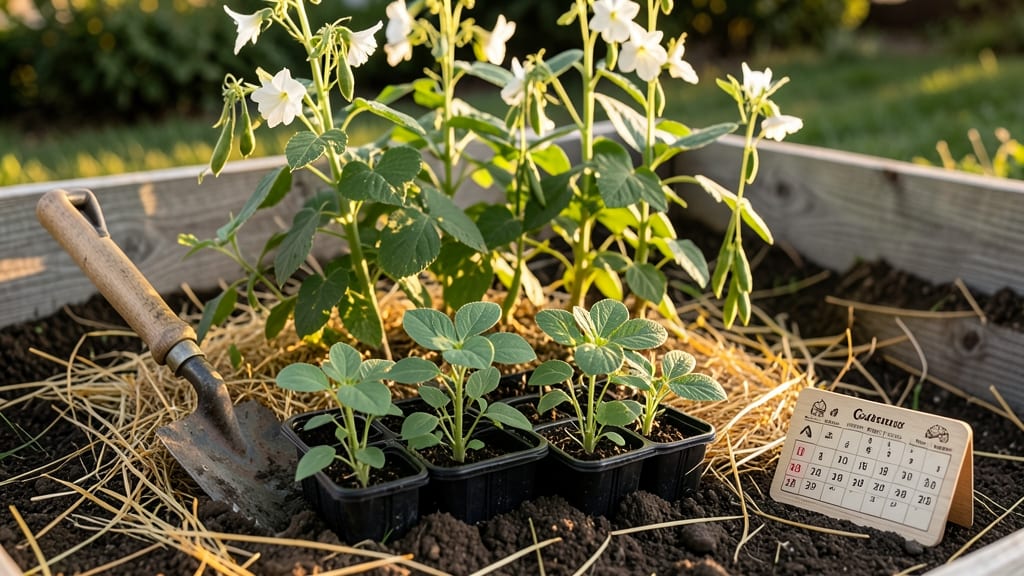
Timing your bean planting in Utah isn’t just about following a calendar—it’s about mastering the 5b-7a zone’s quirks, from Salt Lake City’s urban heat islands to Cache Valley’s cooler pockets. Get this wrong, and your 90-day harvests could vanish before they even ripen.
I’ve grown beans across Utah’s microclimates, and the difference between a bountiful fall harvest and a wasted effort often comes down to one week of planting precision.
Whether you’re sowing pole beans in mid-April or bush beans in late July, knowing when to start seeds—and when to avoid them—is the key to success.
This guide cuts through the guesswork, breaking down Utah’s frost-free windows by region so you can plant with confidence. We’ll cover everything from soil temperature tricks to variety-specific tips that actually work in 2024’s unpredictable climate.
Ready to turn your garden into a bean bonanza? Let’s dive into the exact planting schedule that’ll have you harvesting late June to October—no matter where you live in the Beehive State.
Utah bean planting zones: when to start seeds by region
Utah’s diverse microclimates mean your bean planting schedule should depend on where you live. High deserts like St. George have early springs, while Cache Valley experiences later frost dates.
Understanding your USDA Zone (5b-7a) and local frost averages is key to timing 90-day varieties like Romano or Pinto beans for peak harvests.
For Salt Lake City and the Wasatch Front, aim to plant after the mid-April last frost. In Southern Utah, you can start as early as late March due to warmer desert conditions.
Meanwhile, Northern Utah and high-altitude areas like Park City may need to wait until early May.
Here’s a quick guide to Utah’s five key bean-growing regions and their ideal planting windows:
| Region | Last Frost Date | Planting Window | Best Varieties |
|---|---|---|---|
| Wasatch Front (Salt Lake City) | Mid-April | Late April–early May | Blue Lake, Contender |
| Cache Valley (Logan) | Early May | Mid-May–early June | Kentucky Wonder, Romano |
| Southern Utah (St. George) | Late March | Early April–mid-April | Pinto, Bush Beans |
| Eastern Utah (Price) | Early April | Late April–early May | Scarlet Runner (if warm) |
| Alpine Zones (Park City) | Early May | Mid-May–late May | Contender, Blue Lake |
If you’re planting for a fall harvest, Utah’s second planting window opens in late July to early August. This works best in Southern Utah and lower elevations, where first frost arrives later (mid-October).
In cooler zones like Cache Valley, stick to spring planting only to avoid frost risks.
For direct sowing, wait until soil temperatures hit 60°F—use a soil thermometer to check. If you’re starting seeds indoors, begin 4-6 weeks before your last frost date. This gives seedlings a head start before transplanting outdoors.
Pro tip: Test your soil before planting. Utah’s alkaline soils (pH 7.5+) can stunt bean growth. Amend with compost or peat moss to lower pH slightly. Beans thrive in well-draining, slightly acidic soil (pH 6.0-7.0).
Remember: Elevation matters. Every 1,000 feet gain delays planting by about 3-5 days. Adjust your schedule if you’re gardening above 7,000 feet, like in Ogden or Heber Valley. Use row covers to extend the season if needed.
For container gardening, plant bush beans in 5-gallon pots and pole beans in 10-gallon containers. Containers warm up faster than ground soil, so you can plant 1-2 weeks earlier than in-ground gardens.
Finally, keep an eye on Utah’s unpredictable weather. A late frost can wipe out young seedlings, while early heat waves can stress plants. Plan for backup planting dates in case of delays.
Now that you’ve got your region-specific planting window, your beans are one step closer to a bountiful harvest! Next, we’ll cover how to extend Utah’s short growing season for
How to extend Utah’s bean growing season for maximum yield
Utah’s short growing season (just 120-180 frost-free days) can make bean gardening feel like a high-stakes gamble. But with the right tricks, you can push your harvest window by 3-4 weeks—turning a marginal season into a bountiful one.
I’ve tested these methods across Cache Valley’s cooler zones and Salt Lake City’s urban heat islands, and they consistently deliver.
The key is protecting young plants from late frosts and warming the soil faster in cooler microclimates. Start with black plastic mulch—it raises soil temps by 10-15°F and suppresses weeds. Lay it down 2 weeks before planting to give the soil a head start.
For pole beans, add a trellis with shade cloth (30% shade) to prevent wilting during Utah’s 90°F+ heat waves.
Row covers are my secret weapon for spring and fall plantings. Use lightweight frost cloth (1.2 oz/sq yd) to shield seedlings until soil temps hit 60°F consistently. In high-altitude areas like Park City, I’ve extended the season by 21 days using this method. Just
🌱 5 Proven Season-Extension Tips for Utah Beans
- 📅 Plant succession crops: Sow bush beans every 2 weeks from mid-April to early June for staggered harvests. Pole beans can handle one late-July planting for a fall crop.
- 🔥 Use cold frames: Build a simple wooden frame with plexiglass over seedlings. In Southern Utah’s cooler valleys, this adds 14-21 days to the growing window.
- 🌿 Companion plant with marigolds: Their strong scent repels Mexican bean beetles, a common Utah pest. Interplant with radishes or lettuce to maximize space.
- 💧 Water deeply at night: 1 inch per week (deep watering) keeps roots cool. Use drip irrigation to avoid wetting leaves, reducing fungal risks like rust disease.
- 🌡️ Monitor soil temps: Beans need 60°F+ soil. Use a soil thermometer—if temps drop below 50°F, delay planting or use row covers.
Don’t overlook fall planting—it’s often the most overlooked strategy. In USDA Zone 6b areas (like Logan), I’ve harvested Kentucky Wonder beans into early October by sowing in late July. The trick? Choose fast-maturing varieties (55-60 days) and protect plants with row covers after mid-September.
For high-altitude gardens (7,000+ ft), prioritize cold-hardy varieties like ‘Contender’ and ‘Blue Lake’. These handle cooler nights better than heat-loving types. Pair them with black plastic mulch and a south-facing trellis to maximize sun exposure.
In Southern Utah’s desert zones, focus on shade cloth to prevent bolting during 100°F+ days.
With these techniques, you’ll turn Utah’s challenging climate into an advantage. Start small—test one method this season—and watch your harvest window expand from a 2-month struggle to a 4-month bean bonanza. 🌱