
Plants
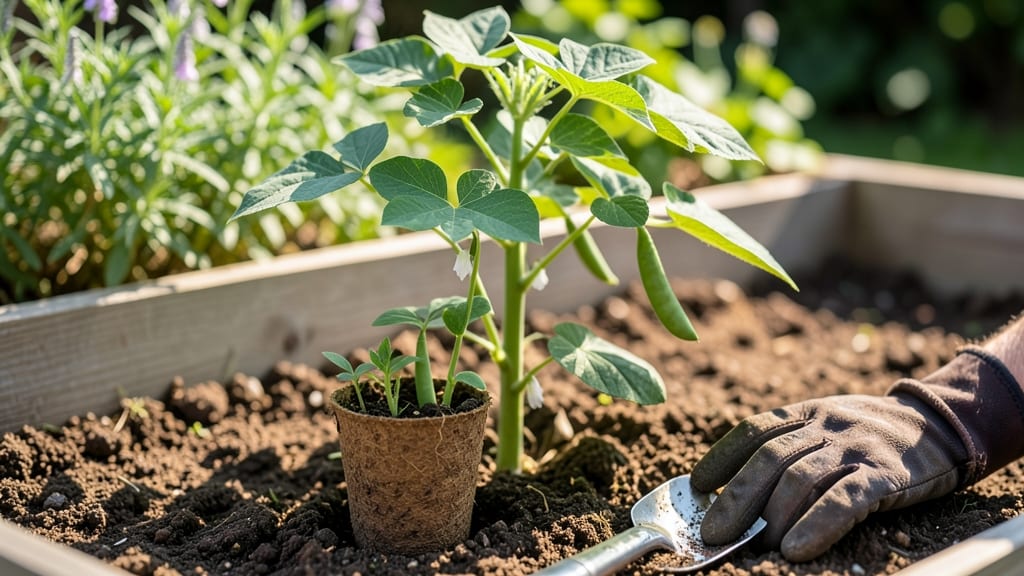
Timing your bean planting in Wisconsin isn’t just about following a calendar—it’s about outsmarting late spring frosts and squeezing every warm day into your short growing season.
If you plant too early, a surprise frost could wipe out your 🌱 beans before they even sprout, while waiting too long might leave you with bitter pods instead of tender harvests.
Most Wisconsin gardeners know the general rule—wait until after the last frost—but the real secret lies in your specific USDA zone. Whether you’re in 4a’s chilly Upper Peninsula or 6b’s warmer southern regions, the ideal planting window shifts by weeks.
I’ll show you exactly when to drop those seeds for a harvest that stretches from July through September, no matter where you garden.
Beyond frost dates, soil temperature and microclimates play a huge role. Cold ground can stall germination, while urban heat islands might trick you into planting too soon.
We’ll cover how to check soil warmth, adjust for your local conditions, and even use succession planting to keep fresh beans coming all summer long.
Ready to turn your Wisconsin garden into a bean bonanza? Let’s break down the zone-specific weeks that’ll give you the most reliable harvest—plus pro tips to handle Wisconsin’s unpredictable weather like a seasoned grower.
Wisconsin bean planting calendar by USDA Zone (with frost-date safeguards)
Wisconsin’s USDA Zones 3-5 create dramatic differences in planting windows—some areas can start beans in late April, while others wait until mid-June. The key? Soil temperature (aim for 60°F+) and last frost dates, which vary by 10-14 days across the state.
For example, Milwaukee (Zone 5) typically plants 2 weeks earlier than Duluth (Zone 3).
Most Wisconsin gardeners rely on direct sowing since beans hate transplanting.
However, pole beans (like Kentucky Wonder) benefit from 4-6 week indoor starts in Zone 3 areas to extend the season. Bush beans (e.g., Blue Lake) are more forgiving and can often be sown directly after the last frost.
Here’s your zone-specific planting timeline, including soil prep tips and microclimate adjustments to avoid frost damage. Remember: Black beans and shelling beans need longer maturity (80-90 days), so plant them 4-6 weeks earlier than snap beans (50-60 days).
| Zone | Last Frost Date | Ideal Planting Window | Soil Temp Threshold | Notes |
|---|---|---|---|---|
| 3 (UP, Northwoods) | May 15–20 | May 20–June 10 | 60°F+ | Use black plastic mulch to warm soil. Start pole beans indoors. |
| 4 (Green Bay, Madison) | May 1–10 | April 30–May 20 | 60°F+ | Direct sow bush beans after frost. Windbreaks help in open fields. |
| 5 (Milwaukee, Janesville) | April 20–May 5 | April 15–May 15 | 55°F+ | Early plantings for black beans. Succession plant every 2 weeks. |
| 6 (Southwest WI) | April 10–20 | April 1–May 10 | 50°F+ | Longest season—plant early for fall harvests. Try heirloom varieties like Rattlesnake. |
For Zone 3 gardeners, I recommend black plastic mulch or row covers to jumpstart growth. Lay the mulch 2 weeks before planting to raise soil temps by 5-10°F.
In Zone 5+, focus on succession planting: Sow new seeds every 2 weeks until July 1 to stretch your harvest.
Pro tip: Use a soil thermometer to confirm readiness. Beans won’t germinate below 50°F, and cold soil causes damping off. If temps dip after planting, cover seeds with a lightweight row cover until sprouts emerge.
In windy areas (like Dodgeville), plant beans near corn stalks or sunflowers as windbreaks. These companions also improve soil nitrogen, which beans love. Avoid planting near onions or garlic, as they inhibit growth.
Harvest timing varies by variety: Snap beans (e.g., Blue Lake) mature in 50-60 days, while dry beans (e.g., Pinto) take 80-90 days. In Zone 3, aim to harvest before September 1 to avoid early frost damage.
🌱
Microclimate hacks: how to adjust planting for Wisconsin’s hot spots
Wisconsin’s urban heat islands like Madison can push soil temperatures up by 10°F+ compared to rural areas, while Lake Superior’s chilly breezes delay warming. These microclimates mean your neighbor’s perfect planting time might be a recipe for failure in your garden.
The key? Adjusting for local conditions with simple, science-backed tricks that can shave 2-3 weeks off your growing season.
Start by testing your soil temperature with a soil thermometer—beans need 60°F+ to germinate. In cold pockets (like Green Bay), use black plastic mulch or clear row covers to warm the soil faster.
For urban heat islands (e.g., Milwaukee), plant 1-2 weeks earlier than the zone average, but monitor for drought stress—beans wilt fast in 90°F+ heat without consistent water.
🌱
Soil Warming Tricks
Wind is another silent saboteur—Dodgeville’s prevailing westerlies can stunt young plants. Create a windbreak using bamboo stakes or a dense hedge on the windward side. For container gardeners, place pots near south-facing walls to absorb and radiate heat.
Even a 6-inch-high barrier can reduce wind chill by 50%, helping seedlings establish faster.
Companion planting is your secret weapon for microclimates. Pair beans with radishes or lettuce to shade the soil and retain moisture. Avoid planting near onions or garlic, which stunt bean growth.
In high-altitude areas (like Hayward), opt for shorter-season varieties like ‘Provider’ (50 days) instead of ‘Kentucky Wonder’ (65+ days).
For high-risk areas, use this quick