
Plants
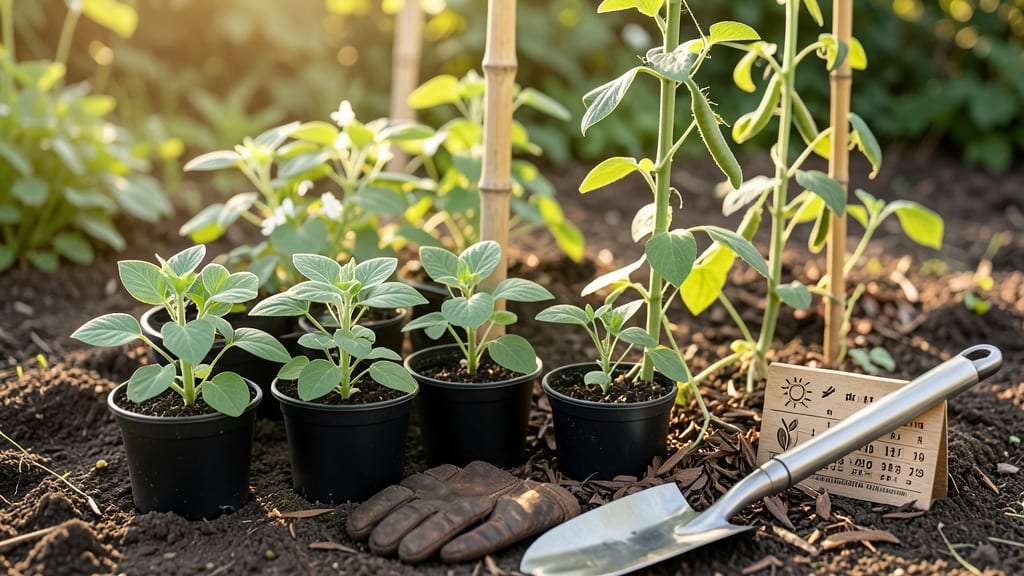
Knowing when to plant beans in Zone 5 can mean the difference between a bumper crop and wasted effort—especially when chilly nights still linger. Beans are finicky about temperature, and planting too soon risks frost damage, while waiting too long cuts your harvest short.
With just 165 frost-free days in Zone 5, timing matters more than most gardeners realize.
Most gardeners in Zone 5 wait until after the last frost (around May 10) to sow beans, but soil temperature is the real game-changer. Your seeds need warmth—at least 60°F—to germinate quickly, and that often means holding off until late April or early May.
The good news? Beans grow fast, so even a late start can still yield a summer harvest.
Whether you’re growing bush beans for quick pickings or pole beans for a towering harvest, the key is consistency. Planting in April 15–June 1 gives you the best shot at avoiding frost while maximizing your growing season.
I’ll walk you through the exact steps to time it right—so you can enjoy fresh, homegrown beans from July through September.
Ready to skip the guesswork? Let’s break down the best planting windows, soil prep tips, and even how to stretch your harvest with succession planting. Your garden (and taste buds) will thank you!
Zone 5 bean planting calendar: exact weeks for pole, bush, and heirloom varieties
In Zone 5, where average last frost dates hover around May 10, timing your bean planting is critical. Beans thrive in warm soil—at least 60°F—and won’t tolerate cold snaps.
My Zone 5 garden yields the most when I plant after the last frost, but there’s flexibility for pole vs. bush varieties and even late-season options.
For bush beans, which mature faster (50-60 days), I start seeds indoors 4-6 weeks before the last frost or sow directly 2 weeks after the last frost. Pole beans, needing more time (60-80 days), get a later start—3 weeks after the last frost—to ensure they’re established before summer’s end.
Heirloom varieties often fall in between, so I check their specific days-to-maturity.
Here’s my Zone 5 bean planting timeline based on years of trials. The key is balancing soil warmth, frost risk, and harvest windows to avoid late-season failures.
| Bean Type | Direct Sow Window | Indoor Start (Transplant) | Soil Temp Requirement | Days to Maturity |
|---|---|---|---|---|
| Bush Beans (e.g., 'Blue Lake') | May 15 - June 1 | April 15 - May 1 (transplant after frost) | 60°F+ | 50-60 days |
| Pole Beans (e.g., 'Kentucky Wonder') | May 20 - June 15 | April 30 - May 15 (transplant after frost) | 60°F+ | 60-80 days |
| Heirloom Beans (e.g., 'Scarlet Runner') | May 25 - June 10 | May 1 - May 10 (transplant after frost) | 60°F+ | 70-90 days |
| Late-Season (e.g., 'Contender') | July 1 - July 15 | N/A (direct sow only) | 60°F+ | 45-55 days |
🌱 Pro Tip: Use a soil thermometer to confirm 60°F+ before planting.
For succession planting, I sow bush beans every 2 weeks from May to June. This ensures a continuous harvest through August. Pole beans, however, are better planted once—early enough to mature before first frost (October 1).
My Zone 5 garden rarely supports two full harvests of pole beans, but bush beans thrive with staggered plantings.
If you’re new to beans, start with bush varieties like 'Blue Lake'—they’re forgiving and perfect for small spaces. Pole beans like 'Kentucky Wonder' are ideal for trellises and vertical gardens, saving space but requiring more time to mature.
Heirlooms, such as 'Scarlet Runner', add beauty and flavor but need extra warmth, so I plant them slightly later.
One common mistake I see is planting beans too early in cool soil. Seedlings rot in damp, chilly conditions. Always wait for soil to warm—even if air temps are mild. A black plastic mulch can help speed up soil warming by 10-15°F in just a few days.
For fall planting, I try late-season varieties like 'Contender' in early July. These quick-maturing beans (45-55 days) give me a second harvest before frost. Just ensure they’re planted in well-draining soil to prevent rot from fall rains.
I also avoid planting beans after August 15, as daylight shortening slows growth.
Remember, Zone 5’s short growing season demands precision. Use these windows to align your planting with soil temps, frost dates, and variety maturity. With the right timing, you’ll enjoy fresh,
Zone 5 bean planting calendar: exact weeks for pole, bush, and heirloom varieties
In Zone 5, where frost-free days average just 165, timing your bean planting is critical. The last frost date (around May 10) is just one piece of the puzzle—soil temperature matters more.
Beans need at least 60°F soil to germinate reliably, which often means waiting until late April or early May, even if frost risk has passed.
Your bean type also dictates the best planting window. Bush beans mature faster (50-60 days) and can handle slightly earlier planting, while pole beans (60-70 days) benefit from a longer growing season. Heirloom varieties may need even more warmth, so check seed packets for specific guidance.
| Bean Type | Best Planting Window | Soil Temp Requirement | Days to Maturity |
|---|---|---|---|
| Bush Beans | April 25 - May 15 | 60°F+ | 50-60 days |
| Pole Beans | May 1 - June 1 | 65°F+ | 60-70 days |
| Heirloom Beans | May 10 - May 25 | 65°F+ | 60-80 days |
For succession planting in Zone 5, sow bush beans every 2 weeks from late April through early June. This ensures a steady harvest, even with the short growing season. Pole beans, however, are better planted once—around May 15—to give them enough time to climb and produce.
Don’t overlook fall planting either! If you’re ambitious, try a late summer sowing (around August 1) for a frost-tender harvest before the first frost hits. Use row covers to extend the season by 2-3 weeks and protect tender seedlings.
Pro tip: Test your soil temperature with a soil thermometer before planting. If it’s below 60°F, wait a few days—beans won’t germinate in cooler soil, no matter how much you water them. Patience now means bigger yields later!
With these Zone 5-specific windows, you’ll avoid the two biggest mistakes: planting too early (frost damage) or too late (small harvests). Stick to these dates, and you’ll enjoy fresh, homegrown beans from July through September—just in time for summer salads and canning!