
Plants
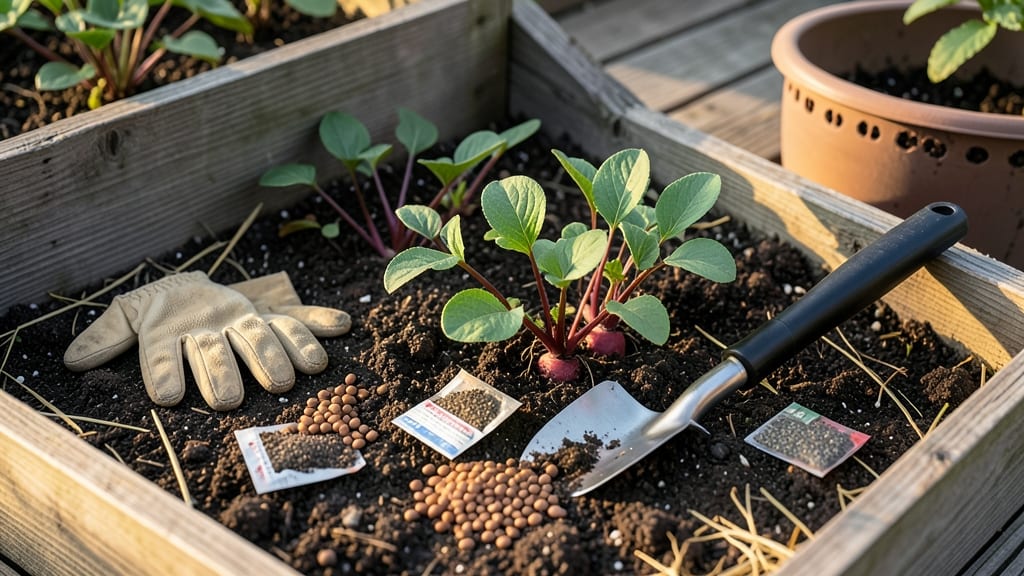
If you’ve ever wondered when to plant beets in Central Florida, timing is everything—because those tiny seeds turn into crisp, sweet 🍠 treasures only when conditions are just right.
Here’s the catch: Florida’s subtropical climate means no harsh freezes, but the heat can still trick your beets into bolting (that’s gardener-speak for "going to seed too soon"). The secret? Planting in the cooler months when temperatures dip just enough to let these root veggies thrive.
In Central Florida’s 9a zone, your best bet is late summer through fall—think September to November—for a harvest ready by winter. But don’t stop there: spring planting in February-March gives you another shot at those earthy, vibrant roots by late spring.
I’ll break down the exact months, microclimate tweaks, and pro tips to keep your beets from turning bitter or woody. Let’s get growing!
Best planting months for beets in Central Florida’s 3 microclimates
Central Florida’s three distinct microclimates—North (Orlando), Central (Lakeland), and South (Fort Myers)—each demand unique beet planting strategies. The USDA Zone 9a climate means frost is rare, but summer heat can still ruin your harvest if you plant at the wrong time.
Let’s break down the ideal windows for each region to maximize your crisp, sweet beets.
In North Florida (Orlando), cooler temperatures arrive slightly earlier than the south, giving you a 2-month head start on fall planting. Meanwhile, South Florida (Fort Myers) stays warm longer, extending your spring planting window but requiring shade strategies to prevent bolting. Let’s dive into the specifics for each zone.
🌱
| Microclimate | Ideal Planting Window | Key Considerations | Harvest Window |
|---|---|---|---|
| North Florida (Orlando) | September 15 - November 15 | Cooler nights by October; avoid summer heat | December - January |
| Central Florida (Lakeland) | September 1 - November 10 | Transition zone; use shade cloth in late fall | November - January |
| South Florida (Fort Myers) | August 20 - October 31 | Hotter longer; plant in partial shade | October - December |
| Spring Window (All Zones) | February 15 - March 15 | Quick harvest before summer heat; use row covers | April - May |
For North Florida gardeners, aim to plant beets between mid-September and mid-November to take advantage of cooler temperatures. By October, nighttime temps drop enough to slow bolting, and your beets will develop sweet, tender roots before the holiday rush.
I’ve found that planting in early September gives you a head start, but be ready to provide afternoon shade if temperatures exceed 85°F.
Central Florida’s Lakeland area offers a slightly longer window—plant from early September to mid-November. This zone acts as a bridge between the cooler north and warmer south. Use 30% shade cloth after early October to protect seedlings from unexpected heat spikes.
I’ve had success with succession planting every 2 weeks in September to ensure a continuous harvest through January.
In South Florida (Fort Myers), the window shifts later due to warmer soils. Plant from late August to the end of October to avoid the worst summer heat. Here, I recommend partial shade (40-50%) during peak afternoon sun (12 PM - 4 PM).
Varieties like ‘Golden’ beets handle heat slightly better than deep-red types, so consider mixing varieties for resilience.
Spring planting is a high-risk, high-reward strategy in Central Florida. Plant between mid-February and mid-March to harvest before the summer heat sets in. I’ve had the best luck with row covers to protect young plants from unexpected late frosts (though rare, they can happen).
Aim to harvest by early May to avoid bolting.
One critical mistake I see gardeners make is planting too late in the fall. If you wait until after November 15, your beets may not mature before the ground cools too much.
Instead, focus on early fall plantings and use mulch (straw or leaves) to insulate roots during cooler nights.
🌡️
To test if your soil is ready for planting, stick your finger 2 inches deep. If it feels cool but not freezing, your beets are in the ideal temperature range (60-75°F).
In Central Florida, this usually aligns with September-October for fall plantings. For spring, wait until soil temps rise above 65°F—typically mid-February.
Pro tip: Soil thermometers are a game-changer for precision planting. I use mine to confirm when soil temps drop below 70°F at night—this is your cue to start sowing seeds. Pair this with a moisture meter to ensure consistent soil dampness, which is key for preventing bolting.
How to extend beet season in Central Florida’s heat with succession planting
Central Florida’s spring and fall transitions can be brutal for beets—temperatures hover around 85°F+, triggering bolting (flowering) before you even harvest. But with succession planting and a few clever tricks, I’ve grown beets year-round, even in the heat.
The key is staggered sowing every 2-3 weeks during your ideal planting windows (September-November and February-March). This ensures a continuous harvest while keeping plants young enough to avoid heat stress.
Here’s my step-by-step plan to beat the heat and extend your beet season in Central Florida:
Pro tip: If you’re planting in late spring (April-May), start seeds indoors under grow lights 4-6 weeks before transplanting. This gives seedlings a 2-week head start on the heat.
With these tricks, I’ve had beets ready for harvest from December through June—even in Orlando’s 9a zone. The secret? Stay proactive with shade, water, and quick harvests. Your beets will thank you with crisp, sweet roots all season long! 🌱