
Plants
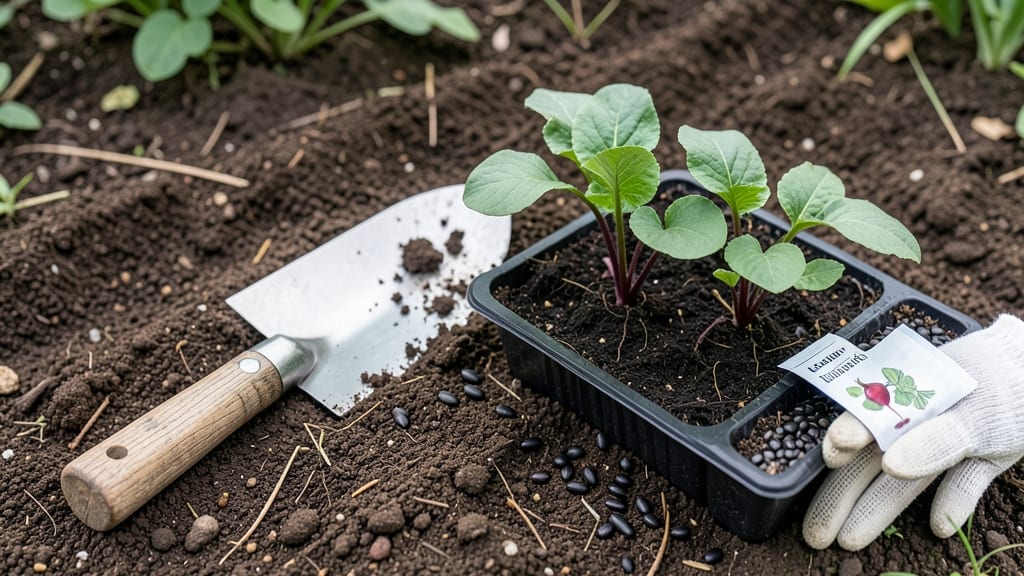
Knowing when to plant beets in Central Texas can mean the difference between a bumper crop of sweet, tender 🍠 and bolting plants that turn bitter before you even taste them.
The key lies in understanding this region's unique climate—where scorching summers and mild winters demand precise timing and the right varieties.
Most gardeners in USDA Zone 8a rush to plant too early, only to watch their beets succumb to heat stress or bolt prematurely. But with the right strategy, you can harvest fresh beets from fall through spring without breaking a sweat.
I'll show you exactly when to start seeds for each season and how to beat the Texas heat.
Fall planting in September-October gives you a head start on cool weather, while spring's February-March window avoids the worst summer heat. We'll also cover heat-resistant varieties that actually thrive here and pro tips to extend your harvest season—because nobody wants to miss out on homegrown beets!
Ready to grow beets that actually last? Let's dive into the exact planting schedule, soil prep secrets, and companion planting tricks that will keep your garden producing all season long—no matter what Central Texas throws at you.
Optimal planting windows for beets in Central Texas by season
Central Texas' USDA Zone 8a/8b climate means beets thrive in fall and spring, but timing is critical. The key is avoiding extreme heat (above 85°F) which causes bolting, and late frosts (after January 15) that can damage tender seedlings.
My strategy? Plant in two distinct windows: late summer for fall harvests and early spring for summer harvests.
For fall harvests, aim to plant August through early September in cooler microclimates like Austin's Hill Country, or September through October in hotter areas like San Antonio.
This gives beets 60-70 days to mature before winter sets in. I've found that soil temperatures below 80°F are ideal for germination and early growth.
Spring plantings should happen February through March, once the last frost date has passed (typically mid-January). This ensures your beets won't encounter unexpected cold snaps. In my garden, I've had success with succession plantings every 2-3 weeks through March to extend the harvest window into early summer.
Here's the critical detail: soil temperature matters more than air temperature. Use a soil thermometer to confirm temperatures are between 50-75°F before planting. I've learned the hard way that planting too early in hot, dry soils leads to poor germination and stunted growth.
Central Texas has microclimate variations that affect planting. For example:
- Austin's Hill Country (cooler nights) can handle late August plantings
- San Antonio's urban heat islands need September start dates
- Waco's blackland prairie benefits from October plantings for winter harvests
Another pro tip: shade cloth can extend your planting window by 2-3 weeks in both spring and fall. I use 30% shade fabric over seed beds during the hottest part of the day (12-3 PM) to prevent bolting while still allowing enough light for photosynthesis.
The first frost date (around December 15) marks the end of your fall harvest window. If you plant too late, your beets may not reach maturity before cold weather sets in. I've had success with row covers to protect late-season plantings and extend harvests by 2-3 weeks into December.
For spring plantings, watch for unpredictable late frosts that can occur through early March. I always keep row covers or frost cloth handy to protect young seedlings. The goal is to have beets established before the consistent warm weather of April arrives.
Remember: beet seeds germinate best in consistently moist soil at 50-75°F. If your soil is too hot or dry, germination rates drop dramatically. I've found that watering the soil to a depth of 2 inches before planting significantly improves success rates.
Here's my year-round planting schedule that works for Central Texas:
- August-September: Fall harvest (plant for November-December harvest)
- February-March: Spring harvest (plant for April-May harvest)
- October: Late fall planting for winter harvest (with row covers)
- April: Late spring planting for summer harvest (with shade cloth)
| Planting Window | Ideal Soil Temp | Harvest Window | Key Considerations |
|---|---|---|---|
| Late August - Early September | 50-75°F | November - December | Cool nights, avoid heat stress |
| September - October | 50-70°F | December - January | Use row covers for frost protection |
| February - Early March | 55-75°F | April - May | Watch for late frosts |
| Mid-March - April | 60-75°F | May - June | Use shade cloth for summer plantings |
For continuous harvests, I recommend succession planting every 2-3 weeks during your optimal windows. This ensures you always have mature beets ready for harvest while others are still growing. In my experience, this method provides beets from fall through spring with minimal gaps.
One final tip: test your soil pH before planting. Beets prefer 6.0-7.0 pH. Central Texas soils often test alkaline (7.5+), which can inhibit nutrient uptake. I've found that adding sulfur or peat moss to planting beds improves both germination and root development.
By following these season-specific planting windows and microclimate adjustments, you can enjoy homegrown beets year-round in Central Texas—even with our challenging heat and unpredictable weather patterns. The key is precision timing and protective strategies to shield your plants from extreme conditions. 🌱
Optimal planting windows for beets in Central Texas by season
Central Texas gardeners face a unique challenge with beets—they need cool weather to thrive, but our summers are anything but cool.
The best time to plant beets in this region is during fall and early spring, when soil temperatures stay below 75°F. Fall planting (late August through October) gives you a jumpstart on cooler weather, while spring's February-March window avoids the worst summer heat.
For fall harvests, start seeds in late August to early September for a November-December bounty. This timing ensures beets mature before winter temperatures drop too low. In spring, plant seeds in February to early March for a harvest in April-May, just before summer's intensity peaks.
Here’s the key: soil temperature matters more than air temperature. Beets grow best when soil stays between 50°F and 75°F. Use a soil thermometer to monitor—if it creeps above 80°F, your beets will bolt or develop woody roots.
In Central Texas, this means avoiding summer planting entirely unless you’re using shade cloth or heat-resistant varieties.
Microclimates in Central Texas (like Austin’s urban heat islands vs. Waco’s drier air) can shift these windows by 1-2 weeks. For example, San Antonio’s coastal influence may allow slightly later fall plantings, while Waco’s inland heat demands earlier starts.
Always adjust based on your local frost dates—Central Texas typically sees its last frost around mid-January and first frost around mid-December.
🌱
| Season | Planting Window | Soil Temp | Harvest Time | Notes |
|---|---|---|---|---|
| Fall | Late August–Early September | 50°F–75°F | November–December | Best for cool weather; avoid bolting |
| Spring | February–Early March | 50°F–70°F | April–May | Harvest before summer heat peaks |
| Winter (Risky) | October–November | 40°F–60°F | January–February | Use row covers for frost protection |
If you’re aiming for a continuous harvest, try succession planting every 2-3 weeks during your ideal windows. For example, sow a new batch in late August, early September, and mid-September to stagger your fall harvest.
This works especially well for baby beets, which mature faster (in 45-50 days) and can be harvested smaller for salads.
Pro tip: Direct-sow seeds—beets hate transplanting. Drop seeds ½ inch deep and 1 inch apart, then thin seedlings to 3-4 inches apart once they’re 2 inches tall. This spacing prevents overcrowding and ensures even growth.
In Central Texas, where summers are brutal, shade cloth (30-50%) can extend your growing season by 2-4 weeks if you’re pushing the limits.
🌿