
Plants
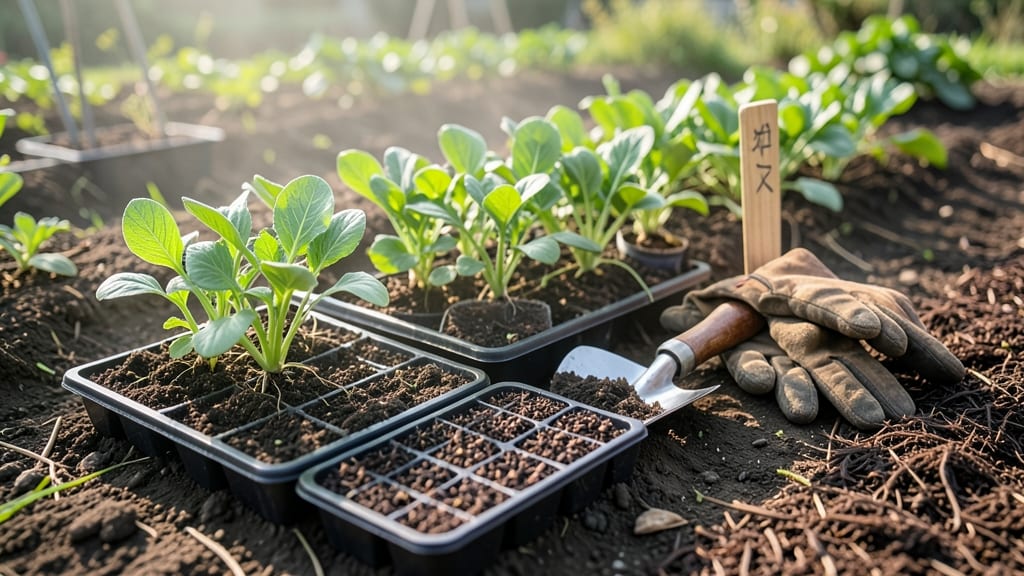
Knowing when to plant beets in Kansas can make the difference between a thriving harvest and a disappointing one—especially when spring weather plays tricks on you.
Beets, with their cold-hardy nature and vibrant 🍠 roots, are a Kansas gardener’s secret weapon, but timing is everything to avoid frost damage or woody roots.
In Zone 5b-7a, where Kansas’ climate swings from chilly mornings to scorching afternoons, planting too early risks frost, while waiting too long can lead to bitter, tough beets.
The sweet spot? March through April for spring harvests and August to September for fall crops, but adjustments are key depending on your specific microclimate.
I’ll break down the exact planting windows for your zone, plus pro tips to beat Kansas’ unpredictable weather—like succession planting and soil tricks to keep your beets sweet and tender.
Whether you’re a first-time gardener or a seasoned green thumb, these strategies will help you grow beets that rival the ones at the farmers’ market.
Ready to turn your garden into a beet bonanza? Let’s dive into the best times to plant, how to handle late frosts, and which varieties thrive in Kansas’ soil. Your harvest starts here.
Best planting dates for beets in Kansas by hardiness Zone
Kansas spans USDA Zones 6 and 7, where beets thrive in cool weather but struggle with summer heat. Zone 6 (eastern KS) has earlier frost dates than Zone 7 (western KS), so planting windows shift slightly.
The key is timing seeds when soil temps hit 40-50°F—cold enough to prevent bolting but warm enough for germination.
For spring planting, aim for mid-March to early April in Zone 6 and late March to mid-April in Zone 7. These dates align with Kansas’ average last frost (April 15 for central KS) while giving beets time to mature before summer heat sets in.
Fall planting runs from mid-August to early September, targeting a harvest before the first frost (around October 15).
Beets are cold-hardy but sensitive to extreme heat—planting too late risks woody roots. In Zone 6, start seeds indoors 4-6 weeks before your last frost date if you’re impatient, but direct sowing works fine for most gardeners.
Zone 7 gardeners should wait until soil warms slightly to avoid slow germination.
| Zone & Region | Spring Planting Window | Fall Planting Window | Soil Temp Threshold | Harvest Window |
|---|---|---|---|---|
| Zone 6 (Eastern KS) | Mid-March to early April | Mid-August to early September | 40-50°F | June-July, October-November |
| Zone 7 (Western KS) | Late March to mid-April | Late August to early September | 45-55°F | Late June-August, October |
| Both Zones | Succession plant every 2 weeks | Avoid planting after September 1 | N/A | 50-70 days to maturity |
Use succession planting to extend your harvest—sow new seeds every 2 weeks from March through August. This ensures a steady supply of fresh beets, especially in Zone 6 where cooler temps allow longer growing seasons.
For example, if you plant your first batch on March 15, follow up with April 1, April 15, and May 1 for continuous production.
Kansas’ variable weather means you’ll need flexibility. If a late frost hits in April, cover young seedlings with frost cloth or a lightweight row cover. Conversely, if summer arrives early, opt for shade cloth to protect mature plants from bolting.
Monitor your local Kansas State University Extension frost predictions for real-time adjustments.
For fall harvests, prioritize fast-maturing varieties (like Detroit Dark Red) to beat the first frost. Plant seeds in late August for a harvest in October, or push to early September for a November crop. Mulch heavily with straw to insulate roots and maintain soil moisture as temps drop.
Pro tip: Test your soil’s pH (6.0-7.0 ideal) before planting. Kansas’ clay-heavy soils in many areas benefit from compost or aged manure to improve drainage. Amend beds in fall or early spring to give roots plenty of time to establish before planting.
Remember, beets are self-seeding, so you might find volunteers popping up next year. Pull unwanted seedlings early to avoid competition, but let a few grow for an early spring harvestZone 6 gardeners often get a head start this way!
Best planting dates for beets in Kansas by hardiness Zone
Kansas’ Zone 6 (eastern KS) and Zone 7 (western KS) offer distinct planting windows for beets, thanks to microclimates and frost variations. In Zone 6, aim to plant 4-6 weeks before your last frost date—typically between mid-March and early April.
For Zone 7, where springs arrive slightly earlier, start sowing late February to mid-March for a head start.
Beets are cold-hardy and can tolerate light frosts, but soil temperatures matter more than air temps. Wait until the ground reaches 40°F (4°C)—a simple soil thermometer check ensures seeds won’t rot. In Kansas, this usually aligns with late March to early April for most regions.
Fall planting is equally rewarding in Kansas. Sow seeds 8-10 weeks before your first frost (around mid-August to early September), giving beets time to mature before winter sets in. This strategy extends your harvest into October or November, when markets thin out.
| Zone | Spring Planting Window | Fall Planting Window | Soil Temp Threshold | Average Last Frost |
|---|---|---|---|---|
| Zone 6 (Eastern KS) | Mid-March to early April | Mid-August to early September | 40°F (4°C) | April 15 |
| Zone 7 (Western KS) | Late February to mid-March | Late August to mid-September | 40°F (4°C) | April 1 |
For succession planting, sow new seeds every 2-3 weeks after your initial planting. This ensures a continuous harvest from late spring through fall. In Kansas’ heat, beets planted in late May or June may bolt or turn woody, so focus on early and fall plantings for the best results.
Pro tip: Use row covers or cold frames to extend your spring planting window by 2-3 weeks. These protect young seedlings from late frosts while letting them soak up sunlight. Just remove covers once true leaves appear to prevent overheating.
Remember, Kansas’ unpredictable weather means flexibility is key. Monitor your garden closely, and don’t hesitate to adjust planting dates if winter lingers or summer arrives early. With the right timing, your beets will reward you with sweet, tender roots all season long. 🌱