
Plants
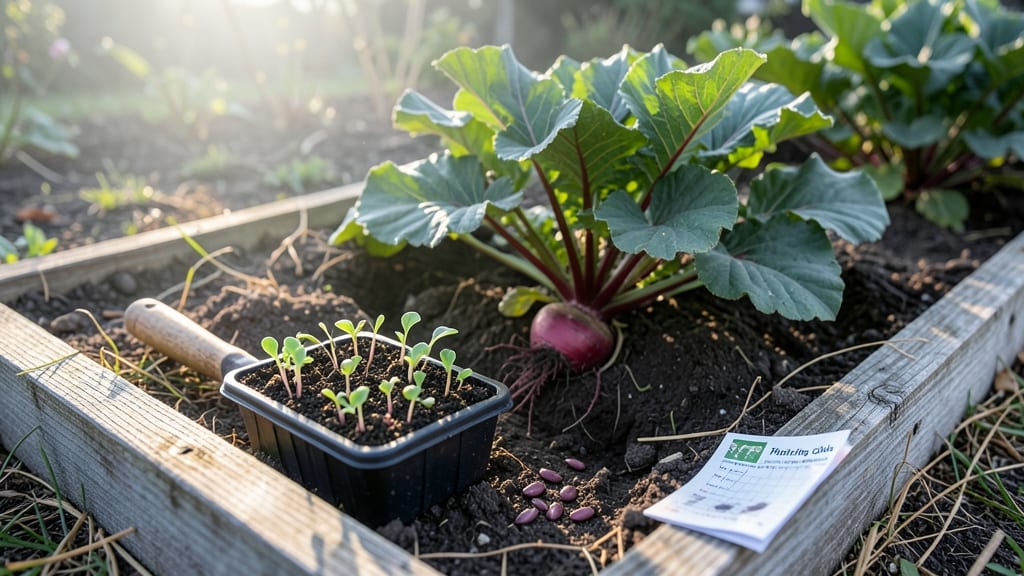
Timing your beets just right in Nebraska’s 5a-6b zones means the difference between fast, tender harvests and tough, woody roots—so don’t guess about when to plant beets in Nebraska.
The key is working with your climate, not against it, by planting early enough to beat heat stress but late enough to avoid frost damage.
Spring is your best bet, with seeds going into the ground as soon as the soil reaches 40°F—typically by mid-March in most areas. But don’t stop there: late summer plantings in July can give you a second harvest before frost hits in October.
This two-pronged approach ensures your garden stays stocked with sweet, fast-growing beets all season.
Why does this matter? Because beets are finicky about temperature—too hot, and they bolt; too cold, and they rot. I’ll show you exactly how to nail the timing, including when to start seeds indoors (if you’re ambitious) and how to stretch your growing season with smart succession planting.
Ready to grow beets that are ready in 50 days or less? Let’s break down the exact steps to make your Nebraska garden a beet-loving machine.
Best planting months for beets in Nebraska’s climate zones
Nebraska’s USDA hardiness zones 4a-6b create a unique challenge for beet growers, where soil temperatures and frost dates shift dramatically between regions. Unlike heat-loving crops, beets thrive in cool weather and can even tolerate light frosts.
In my Lincoln garden, I’ve learned that planting too early risks bolting, while waiting too long means small, tough roots by harvest time.
For spring planting, aim for mid-March to early April in western Nebraska (zones 5b-6b), where soil warms faster. Eastern Nebraska (zones 4a-5a) should wait until late March to mid-April to avoid cold soil that delays germination.
Beets germinate best in 45-75°F soil, so always check with a soil thermometer before sowing.
| Zone & Region | Spring Planting Window | Fall Planting Window | Soil Temp Threshold | Frost Risk |
|---|---|---|---|---|
| Western NE (5b-6b) | Mid-March to early April | Late July to early August | 45-75°F | Low (last frost: late April) |
| Central NE (5a) | Late March to mid-April | Early August to mid-August | 50-70°F | Moderate (last frost: early May) |
| Eastern NE (4a) | Late April to early May | Mid-August to early September | 55-75°F | High (last frost: mid-May) |
Don’t overlook fall planting, which often yields the sweetest roots in Nebraska. Sow seeds 8-10 weeks before your first frost—typically late July to early September—to ensure harvest before hard freezes.
In my Omaha garden, fall-planted beets mature faster than spring varieties because cooler nights prevent bolting.
For extended harvests, consider succession planting every 2-3 weeks from spring through summer. This method ensures a steady supply of tender roots while avoiding the bitter taste that develops when beets mature too slowly. Always choose cold-tolerant varieties like ‘Detroit Dark Red’ or ‘Golden’ for Nebraska’s climate.
Pro tip: Use black plastic mulch in early spring to warm soil faster and extend the planting window by 1-2 weeks. This trick has helped me push my first spring planting into early March in western Nebraska. Just
If you’re unsure about your local frost dates, check the Nebraska State Climate Office or your county extension office for historical averages. In my experience, planting 2 weeks earlier than the average last frost date gives beets enough time to establish roots before summer heat sets in.
One common mistake I see is planting beets in August or September without accounting for harvest timing. Beets need 50-70 days to mature, so if you sow seeds in late August, you’ll likely face frost before harvest.
Instead, aim for early August plantings to ensure roots reach market size before mid-October freezes.
For container gardening, start seeds indoors 4-6 weeks before your last frost date and transplant seedlings outdoors once soil is warm enough. This method works well for balcony gardens in urban areas like Omaha or Lincoln, where space is limited but sun exposure is abundant.
Remember: Beets are frost-tolerant, but they won’t survive hard freezes below 20°F. Use row covers or straw mulch to protect young plants during unexpected late frosts, especially in eastern Nebraska’s colder zones. With the right timing, you can enjoy homegrown beets from June through November!
Best planting months for beets in Nebraska’s climate zones
Nebraska’s USDA zones 5a-6b give you two prime windows to plant beets: early spring and late summer. The key is avoiding late frosts (mid-April) and early heat waves that trigger bolting. For best results, aim for March-April or July-August plantings, depending on your microclimate.
Beets are cold-hardy and can tolerate light frosts, but soil must be at least 40°F for germination. In western Nebraska (zone 5a), wait until late March when soils warm slightly. Eastern regions (zone 6b) can start as early as mid-February under row covers for a jumpstart.
For fall harvests, plant seeds in late July-August to mature before first frost (mid-October). This gives roots 8-10 weeks to develop before cold sets in. Use black plastic mulch to warm soil faster in early spring plantings.
| Zone | Spring Planting Window | Soil Temp | Fall Planting Window | Frost Risk |
|---|---|---|---|---|
| 5a (Western NE) | Late March - Early April | 40-45°F | Late July - Early August | High (late spring) |
| 5b (Central NE) | Mid-March - Late April | 40-50°F | Mid-July - Mid-August | Moderate |
| 6a-6b (Eastern NE) | Mid-February - Mid-April | 45-50°F | Early July - Early September | Low |
*Use Nebraska Extension’s frost date maps for your county.
Pro tip: Test soil 2-3 weeks before planting to ensure it’s workable. If it’s still frozen or waterlogged, wait—beets hate soggy roots. Loam soils with pH 6.0-7.0 produce the sweetest harvests, so amend clay soils with compost before sowing.
For container growing, start seeds indoors 4-6 weeks before last frost (use biodegradable pots to transplant directly). Containers dry out faster, so check moisture daily. In-ground plantings benefit from 1-2 inches of mulch to retain moisture and suppress weeds.
Remember: Beets planted in May-June often bolt quickly due to heat. If you miss the spring window, opt for heat-tolerant varieties like ‘Detroit Dark Red’ or ‘Golden’ for summer plantings. Always rotate crops—never plant beets where nightshades (tomatoes, peppers) grew the prior year.