
Plants
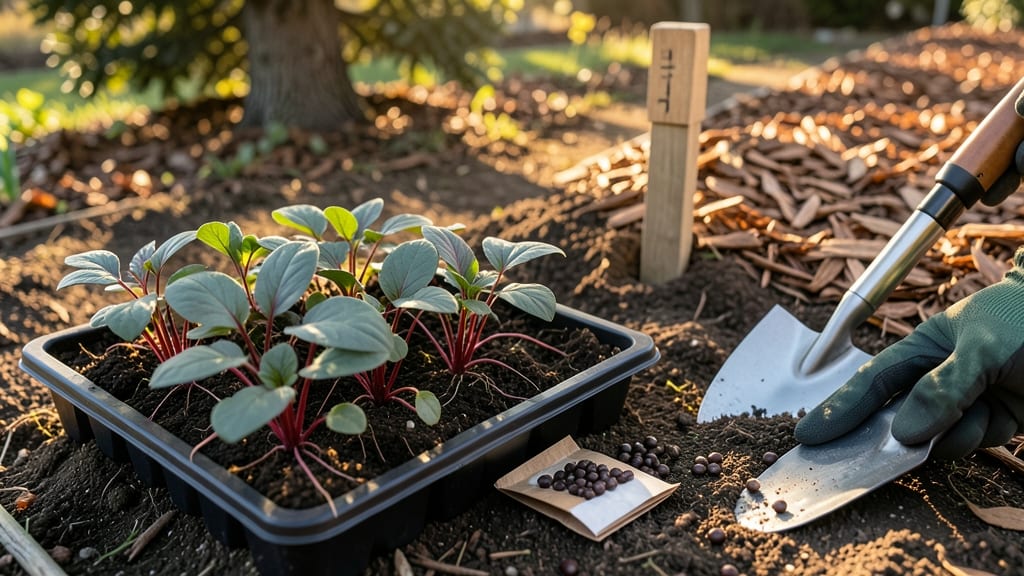
Timing your beet planting in Utah isn't just about following a calendar—it's about reading your microclimate like a pro. Skip the wrong window, and you'll end up with bitter, woody roots instead of the sweet, tender 🍠 harvest you crave.
With Utah's 5b-7a zones stretching from desert valleys to mountain slopes, your neighbors' planting dates might not work for you. The Wasatch Front and Southern Utah have completely different frost patterns, meaning what's perfect in March for one area could be a disaster for another.
I've grown beets across Utah's diverse regions, and I'll show you exactly when to plant for your specific location—whether you're in Cache Valley's cooler pockets or the Uintah Basin's high desert.
We'll cover soil prep, frost dates, and even how to adjust for those unexpected late snowfalls that love to mess with gardeners.
By the end, you'll know not just when to plant, but why those dates matter for your particular corner of Utah. Let's get those beets in the ground at the perfect time for a bumper crop!
Utah’s best planting windows for beets by microclimate zone
Utah’s five distinct microclimates create wildly different planting windows for beets. From the Wasatch Front’s mild valleys to Alpine’s high-altitude chill, each region demands its own timing strategy.
Get it wrong, and you’ll end up with bolting greens or woody roots—but nail it, and you’ll enjoy crisp, sweet beets from spring through fall.
Beets thrive in cool soil temperatures (50-75°F) and can tolerate light frosts. In Utah, this means two prime planting windows: early spring and late summer. Spring plantings yield harvests by summer, while fall plantings extend your season into autumn.
Let’s break down the optimal weeks for each Utah region to maximize your beet success.
Here’s how Utah’s five key regions differ in planting timing, based on average last frost dates and soil warming patterns:
Notice how Southern Utah’s warmer climate allows for earlier spring and later fall plantings? Meanwhile, Alpine’s high elevation pushes planting dates 4–6 weeks later than the Wasatch Front. These differences are critical—planting beets in too-hot soil (>75°F) triggers bolting, while cold soil (<45°F) slows germination.
For most Utah gardeners, the sweet spot is planting beets in late March to mid-April for spring harvests or mid-August to mid-September for fall crops. Use a soil thermometer to confirm temps are 50–60°F before sowing.
If your soil runs hotter, opt for shorter-day varieties like ‘Detroit Dark Red’ to prevent bolting.
Pro tip: In unpredictable Utah springs, use row covers to protect seedlings from late frosts. I’ve seen 50°F nights in May on the Wasatch Front—just when beets are germinating! A lightweight cover buys you 2–3 weeks of extra protection without overheating the soil.
Fall plantings in Utah often succeed where spring ones fail because soil stays cooler longer. Aim to sow seeds 8–10 weeks before your first frost (e.g., early August in Salt Lake City) to ensure harvests before winter sets in.
In higher elevations like Park City, extend this to 9–10 weeks due to earlier frosts.
To stretch your beet season even further, try succession planting every 2–3 weeks during your region’s ideal window. This ensures a continuous harvest and reduces the risk of <
How to adjust planting for Utah’s unpredictable weather patterns
Utah’s weather can throw curveballs—one day it’s 50°F and sunny, the next it’s 20°F with snow. These shifts make beet planting tricky, but with the right adjustments, you can outsmart Mother Nature.
I’ve learned to watch for late frosts (common in May), early heatwaves (hitting by June), and sudden elevation drops that delay soil warming.
Start by planting cold-hardy varieties 4-6 weeks before your last frost date—even if the ground feels frozen. Use black plastic mulch or straw to warm soil faster in high-desert areas like the Uintah Basin, where days can jump from 30°F to 80°F in a week.
For mountain gardens, like those in Alpine, delay planting until after May 15th to avoid frost damage.
Here’s how to handle Utah’s most common weather surprises:
Don’t forget to monitor your garden’s microclimate—a spot near your house might be 10°F warmer than the rest of your yard. Use a soil thermometer to check temps at planting depth (1 inch). If soil is below 45°F, wait or use row covers to protect young seedlings.
For fall planting, aim for seeds in the ground by August 1st in most of Utah. Beets need 60-80 days to mature, so time it so they’re ready to harvest before first frost (usually mid-October).
In Southern Utah, where nights cool faster, plant 2 weeks earlier to beat the frost.
By mastering these adjustments, you’ll turn Utah’s unpredictable weather into an advantage—yielding sweet, tender beets even when your neighbors are struggling. The key is flexibility: watch the forecast, test your soil, and be ready to adapt. Your harvest will thank you! 🌱