
Plants
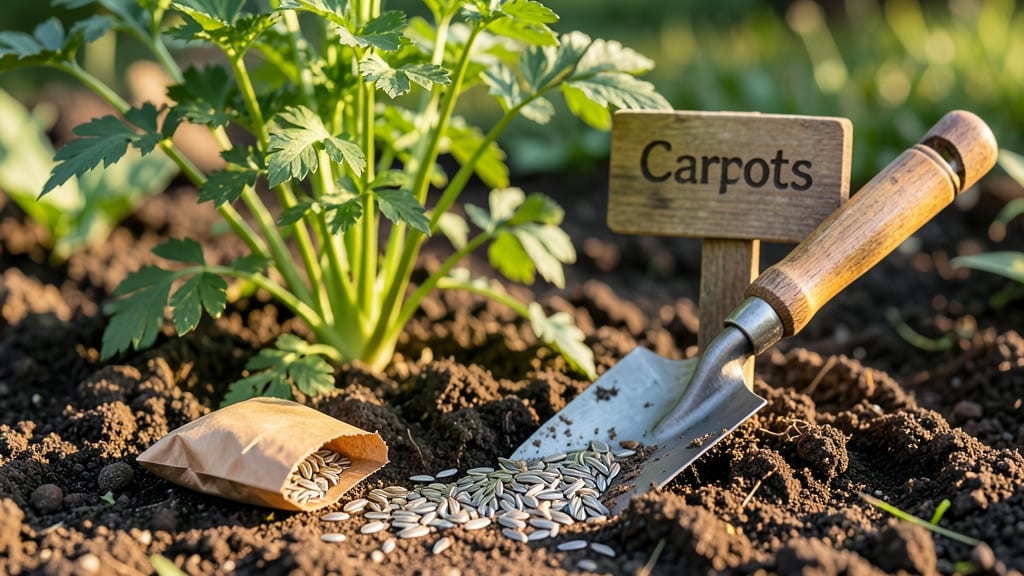
Timing your carrot planting in North Carolina can mean the difference between sweet, crisp roots and bitter, stunted failures—especially when coastal humidity clashes with mountain coolness. Whether you're in the Piedmont's rolling hills or the Coastal Plain's warmer stretches, getting those 🥕 seeds in the ground at the right moment is non-negotiable.
Most gardeners assume "spring" means one-size-fits-all, but NC's 7a-8b zones demand precision. Plant too early, and bolting turns your harvest into leafy disappointment; too late, and summer heat transforms your carrots into woody sticks. The key? Understanding your microclimate's last frost dates and soil temperature triggers.
I'll break down the exact planting windows for each region—from the Coastal Plain's February starts to the Mountains' later March timing—plus how to stretch your harvest with succession planting. No more guessing games: just data-driven dates and pro tips to ensure your garden delivers.
Ready to grow carrots that rival the ones at the farmers' market? Let's dive into the science behind NC's perfect planting calendar—and how to adjust for those unpredictable weather surprises.
North Carolina carrot planting calendar by region: coastal vs Piedmont vs mountain zones
North Carolina’s three distinct climate zones—Coastal Plain, Piedmont, and Mountain—create dramatically different carrot-growing seasons. The Coastal Plain (USDA zones 8a-8b) enjoys longer growing seasons, while the Mountains (7a-7b) face shorter springs and earlier freezes.
Even a 3-week difference in frost dates can mean the difference between sweet harvests and bitter disappointment.
Carrots thrive when soil temperatures reach 60°F and stay above 50°F consistently. In NC, this typically means planting 4-6 weeks before your last spring frost and again in late summer for fall harvests. Let’s break down the exact weeks for each region to maximize your yield.
📅 Coastal Plain (e.g., Wilmington, Fayetteville): Your last frost date averages March 15, but soil warms faster here. Start seeds February 15–March 1 for spring carrots. For fall, plant July 15–August 15 to harvest before the November 15 first frost. This zone’s humidity demands well-draining soil to prevent rot.
| Region | Spring Planting Window | Fall Planting Window | Last Frost Date | Soil Temp Requirement |
|---|---|---|---|---|
| Coastal Plain | Feb 15–Mar 1 | Jul 15–Aug 15 | Mar 15 | 60°F+ |
| Piedmont (e.g., Raleigh, Greensboro) | Mar 1–Mar 15 | Aug 1–Aug 15 | Mar 22 | 55°F+ |
| Mountains (e.g., Asheville, Boone) | Apr 1–Apr 15 | Jul 1–Jul 15 | Apr 10 | 50°F+ |
In the Piedmont, where last frosts average March 22, hold off until March 1–15 for spring planting. The cooler nights here reduce bolting risk, but succession plant every 2 weeks to avoid a harvest glut.
For fall, aim for August 1–15—any later, and summer heat stresses young seedlings.
The Mountains present the biggest challenge: last frosts can linger until April 10, and soil stays cold longer. Wait until April 1–15 for spring planting, but prioritize shorter-season varieties like ‘Early Nantes’ (58 days to maturity).
Fall planting shifts to July 1–15 to ensure harvests before November’s early frosts.
Pro tip: Use a soil thermometer to confirm temperatures. Carrot seeds won’t germinate below 50°F, even if frost dates suggest otherwise.
In Coastal NC, cover seeds with black plastic mulch to warm soil faster; in the Mountains, opt for row covers to protect young plants from late frosts.
For continuous harvests, stagger plantings every 2 weeks in spring and every 3 weeks in fall. This ensures fresh carrots from May through November, regardless of your NC zone. Pair your schedule with shade cloth in summer to prevent bolting—long daylight hours trigger this bitter-making response.
🌱
5 Critical factors that determine your Exact Carrot Planting Window in NC
Your carrot planting success in North Carolina hinges on 5 key factors beyond just checking a calendar. The soil temperature must reach 50°F (10°C)—any cooler, and seeds rot in the ground.
I’ve seen gardeners in Raleigh rush planting in February only to watch their seeds fail until soil warmed up in early March.
Next, daylight length triggers bolting—those long summer days in June can send your carrots flowering instead of growing roots. The Coastal Plain’s humidity also demands faster watering, while the Mountains’ thinner air means cooler nights that slow germination.
Finally, carrot rust fly activity peaks in late spring, so timing your second planting for July avoids their larvae.
🌱
For example, in Asheville’s USDA Zone 7a, I’ve had to delay planting by 2 weeks in years with late April frosts. Meanwhile, in Wilmington’s Zone 8a, the soil warms early enough to start sowing by mid-February—but only if you protect seedlings with frost cloth.
Pro tip: Use a decision flowchart like this—if your soil is below 50°F but frost risk is past, cover seeds with black plastic mulch to warm the soil faster. This trick adds 1-2 weeks to your planting window without risking bolting.
💧