
Plants
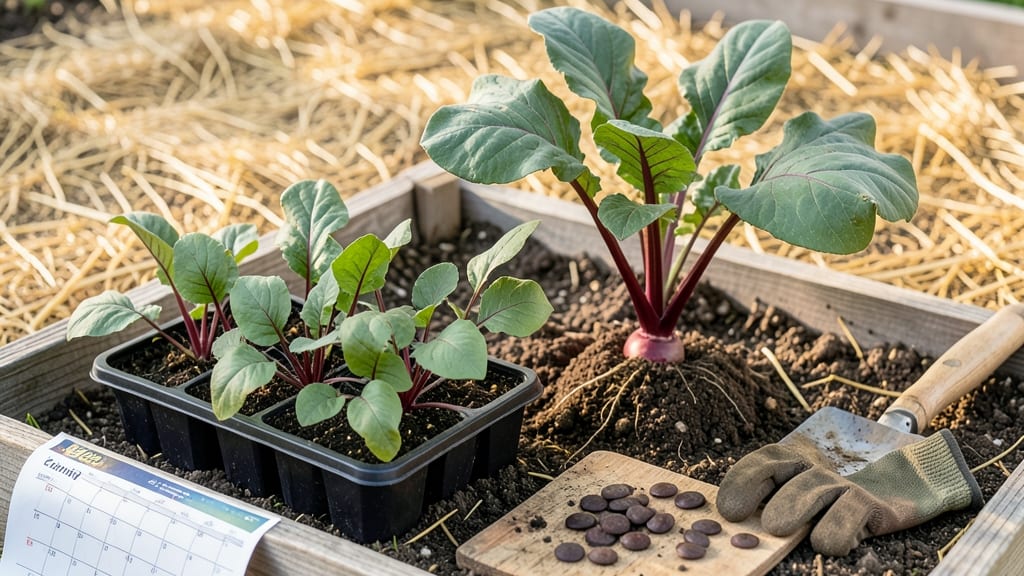
If you’ve ever tried planting beets in Zone 9 only to watch them bolt into bitter greens before you could even harvest them, you’re not alone. The key to success here isn’t just planting—it’s timing your seeds precisely to dodge the relentless heat.
Zone 9’s winter months—from October through February—are your golden window for sweet, tender 🍠 beets without the stress. But even then, a few degrees too warm can send your plants into bolting mode.
I’ll break down the exact weeks to plant, the heat-tolerant varieties that thrive here, and how to keep your soil cool enough for perfect roots.
Most guides assume you’re in a cooler climate, but Zone 9’s frost-free year-round means we play by different rules. You’ll learn how to stretch your harvest from December to May by avoiding summer plantings entirely—and why soil temperature matters more than air temperature.
Ready to grow beets that stay sweet and never turn woody? Let’s dive into the proven schedule and tricks that actually work in this climate—no guesswork required.
Best planting windows for beets in Zone 9: avoiding bolting & heat stress
Zone 9’s warm winters and hot summers make beet planting a delicate balance—plant too early, and they bolt; too late, and they struggle to mature. Unlike cooler climates, Zone 9 beets thrive in winter and early spring, when temperatures stay below 75°F during the day.
This timing avoids the bolting trigger (temperatures above 80°F for 3+ days) that turns sweet roots bitter.
Since Zone 9 rarely experiences frost, focus on soil temperature (ideal: 50–70°F) rather than frost dates. Use a soil thermometer to confirm readiness—beets won’t germinate well in soil above 85°F.
My go-to method? Plant when daytime highs drop below 80°F consistently, usually in late September to early October for fall crops and January to February for spring.
Here’s the key: Zone 9 beets grow best in cooler months, but you can extend your harvest window with shade cloth or succession planting. For example, I sow seeds every 2–3 weeks from October through February to ensure a steady supply.
This staggered approach prevents overcrowding and maximizes your garden’s productivity.
🌱
| Planting Window | Ideal Soil Temp (°F) | Daytime Highs (°F) | Harvest Window | Notes |
|---|---|---|---|---|
| Late September - Early October | 55–70°F | 70–80°F | December - March | Fall crop; use shade cloth if temps rise above 80°F. |
| January - February | 50–65°F | 65–75°F | March - May | Spring crop; avoid planting after March if temps exceed 80°F. |
| September (Succession) | 60–75°F | 75–85°F | November - December | Early succession; monitor heat stress closely. |
For continuous harvests, I recommend planting two batches: one in late September and another in January. This ensures fresh beets from December through May, just as summer heat ramps up.
Pro tip: Use black plastic mulch in fall to warm the soil slightly and speed up germination.
If you’re new to Zone 9 gardening, avoid planting beets in summer—even heat-tolerant varieties like ‘Detroit Dark Red’ will bolt or produce woody roots. Instead, focus on winter and early spring, when cooler temps and shorter days create ideal conditions.
I’ve even grown beets in December with success, as long as daytime temps stay below 75°F.
One common mistake? Waiting until spring to plant. By March, daytime temps often exceed 80°F, triggering bolting. To beat this, I start seeds indoors in late February and transplant seedlings outdoors in March, but only in partial shade to protect them from afternoon heat.
🌿
For microclimate adjustments, pay attention to your garden’s specific conditions. North-facing beds stay cooler and are perfect for late-spring plantings, while south-facing areas may need afternoon shade. I’ve also had luck growing beets under drip irrigation to maintain consistent soil moisture—a critical factor in Zone 9’s dry spells.
Finally, don’t forget to rotate your beet plantings to avoid soil depletion. Beets are heavy feeders, and Zone 9’s sandy soils can become exhausted quickly. I follow up beet beds with light nitrogen feeders like lettuce or bush beans to restore balance.
☀️
Best planting windows for beets in Zone 9: avoiding bolting & heat stress
In Zone 9, the perfect time to plant beets is during the cooler months—from late September through February—when daytime temperatures stay below 75°F. This avoids the bolting trigger of prolonged heat above 80°F, which turns sweet roots bitter and stringy.
Most gardeners in Zone 9 make the mistake of planting in spring or summer, thinking it’s similar to cooler climates. But beets hate heat—even a single week above 85°F can send them bolting. Instead, focus on fall and winter plantings for the sweetest harvests.
Here’s the breakdown of your ideal planting windows in Zone 9, including soil temperature thresholds and harvest timelines to maximize success:
For successful beet growth in Zone 9, prioritize soil temperature over air temperature. Use a soil thermometer to confirm temps stay below 70°F—this is your best defense against bolting.
If your soil heats up faster (common in sandy soils), plant in raised beds with organic mulch to keep roots cool.
Pro tip: In Zone 9, you can stagger plantings every 2 weeks from September through February for a continuous harvest from December to May. This works because the cooler months naturally align with beet-friendly temperatures, while summer remains off-limits due to the heat.
Remember, never plant beets in summer—even with shade, the roots will turn woody and bitter. Stick to the fall and winter windows, and you’ll enjoy sweet, tender beets all season long.